Worm Factory 360 vs Uncle Jim's Worms: What You Actually Need

Affiliate disclosure: Some links on this page are affiliate links. If you buy through them we earn a small commission at no extra cost to you. Recommendations are research-driven; we don't claim personal use of every product reviewed. Product prices and availability are accurate as of the date published and are subject to change. Always check Amazon for current pricing before purchasing. Learn more.
product_a: “worm-factory-360-black” product_b: “uncle-jims-1000-red-wigglers”
winner: product_a # SET THIS after review
winner_reason: "" # SET THIS after review
If you’re searching for compost worms for sale and you end up on Amazon, two products show up together constantly: the Worm Factory 360 Black Vermicomposting System, 4-Tray and the Uncle Jim’s Worm Farm 1000 Count Red Wiggler Composting Worms. They’re not really competitors. One is a bin, one is livestock. But people buy them separately without understanding how they work together, and then wonder why their worm setup isn’t producing. This article covers both products honestly, what each one does and doesn’t do well, and why buying one without the other is a mistake worth avoiding. Our broader Composting hub covers the full range of composting methods if you’re still deciding whether vermicomposting is right for your situation.
At-a-Glance
The Worm Factory 360, depending on color. The black version (ASIN B002LH47PY) sits at the lower end of that range. Uncle Jim’s 1,000 count red wigglers (ASIN B000Q5S7RM) are budget-priced and widely available. Together you’re looking at to start a functioning vermicompost system, which is a reasonable entry point for what you get.
The Worm Factory 360 produces worm castings and liquid worm tea, both usable as fertilizer. The Uncle Jim’s worms are the engine that makes that happen. Neither product works without the other, and that’s the first thing worth saying plainly.
What each product is:
- Worm Factory 360: A stacking tray system made by Nature’s Footprint, manufactured in the USA, designed to house and feed a growing red wiggler population indoors or in a sheltered space. Four trays included, expandable to eight.
- Uncle Jim’s Red Wigglers: Live red wiggler worms (Eisenia fetida), 1,000 count, shipped with moisture-absorbing material to survive transit. Includes an arrival guarantee if you report losses within 48 hours.
Quick comparison:
| | Worm Factory 360 | Uncle Jim’s Red Wigglers |
|,|,|,| | What it is | Stacking bin system | Live worms | | Outputs | Castings + worm tea | N/A (they’re the input) | | Expandable | Yes, up to 8 trays | Population grows naturally | | Ships live | No | Yes | | Worms included | No | Yes |
Why Choose the Worm Factory 360
The design holds up. I’ve used stacking tray systems for years, and the Worm Factory 360 is better thought out than most. The tapered trays encourage worms to migrate upward toward fresh food, which means the lower tray fills with finished castings you can harvest without disturbing the active colony. If you’ve ever tried to harvest castings from a single-chamber bin and spent 45 minutes hand-sorting worms from compost, you understand why this matters. (I have done exactly that, and I don’t recommend it.)
The liquid collection tray at the base catches worm tea, which drains through the system as you add water or wet kitchen scraps. Diluted and applied to potted plants, it’s a legitimate liquid fertilizer. For anyone running a lot of container plants, this output alone justifies the system. For a deeper look at how this fits into kitchen-to-garden composting workflows, our guide to the best kitchen compost bin for no fruit flies or odor covers the front end of that process well.
The four-tray starter configuration handles a household of two to four people producing normal kitchen scraps. As the worm population expands, you add trays. The system supports up to eight, which at full capacity can process a meaningful volume of organic waste per week.
A few practical specifics worth knowing.
Temperature range. The system needs to stay between 40 and 80 degrees Fahrenheit. This rules out unheated garages during hard winters and direct outdoor placement in summer heat. For most people this means keeping it in a basement, laundry room, or kitchen. It does not smell if managed correctly, so indoor placement is genuinely viable.
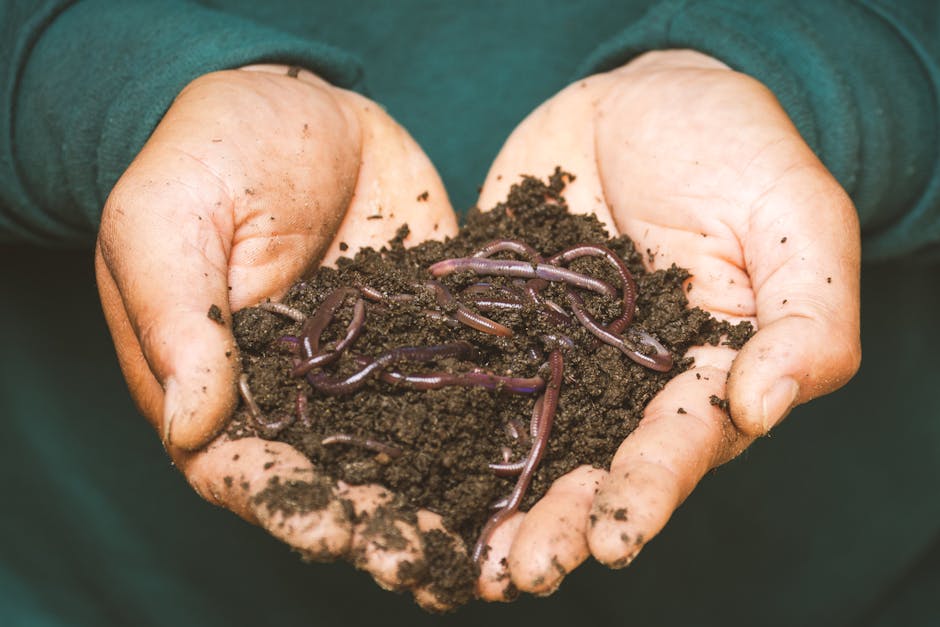
What’s included. The kit comes with a worm tea spigot, tray liners, a thermometer, a hand rake, a DVD and instruction manual, and a getting-started guide. Nature’s Footprint put actual thought into the documentation. If this is your first vermicompost setup, the manual is worth reading before you start.
What’s not included. Worms. This is the source of a lot of one-star reviews from buyers who didn’t read the listing carefully. The Worm Factory 360 is a habitat, not a complete kit. You need to source red wigglers separately, which is exactly what the Uncle Jim’s product solves.
The bin is made in the USA, which for a product at this price point is worth noting. Build quality is solid. I’ve seen cheap knockoff stacking systems crack at the tray lips within a season. This one hasn’t given me that problem, though I appreciate that build longevity is harder to assess in a short review cycle.
Why Choose Uncle Jim’s Red Wigglers
Red wigglers are not the same as the earthworms in your garden beds. Earthworms (Lumbricus terrestris and related species) are soil dwellers that tunnel vertically and don’t do well in the confined, high-organic-matter environment of a worm bin. Red wigglers (Eisenia fetida) are surface feeders that evolved to process decomposing organic matter in dense populations. They thrive in bins. Putting garden earthworms in a Worm Factory 360 doesn’t work, and if you’ve read anything on our composting resources you’ve probably seen this distinction noted more than once.
The 1,000 count quantity from Uncle Jim’s is the right starting quantity for a Worm Factory 360. Less than 500 worms and the system is underloaded for months. More than 1,500 and you risk crowding before the population has established. A thousand worms weighs roughly one pound, which is the standard recommended starting mass for a four-tray system.

Once established, which takes three to six weeks as the worms acclimate to their new environment, a healthy colony can process up to four times their body weight in kitchen scraps per week. At full capacity, a one-pound starting colony can process around four pounds of scraps weekly. That’s a realistic figure for a household of two to three people feeding mostly vegetable scraps, coffee grounds, and eggshells.
The live shipping caveat. Uncle Jim’s ships with moisture-retaining material and packs reasonably well for transit, but live animals are live animals. Extreme heat or cold in transit affects survival rates. The 48-hour arrival guarantee matters here. If you open the package and find significant losses, photograph it and contact Uncle Jim’s within two days. The guarantee is real, but it has a hard deadline. If you’re ordering in July or January, think about whether your local conditions are hospitable for a package sitting on a hot porch or in a cold mailbox. I’d order for spring or fall delivery if possible, though I recognize that’s not always practical.
Acclimation timeline. Don’t judge the system in the first two weeks. The worms need time to adjust, and during that period they may cluster near the surface, eat less than expected, or seem inactive. This is normal. Feed lightly, keep moisture levels right (the bedding should feel like a wrung-out sponge), and let them settle. By week four to six, if conditions are correct, you’ll see clear activity and the population will be eating steadily.
For sourcing context and alternatives if Uncle Jim’s is out of stock, our article on where to buy worms for compost covers the broader supplier landscape in more detail.
Verdict
Buy both. That’s the honest answer.
The Worm Factory 360 is the best mid-range stacking vermicompost bin on the market at this price point. Comparable stacking systems from other brands at similar prices, including the Can-O-Worms and the generic no-name imports that show up constantly on Amazon, don’t match it for tray design quality or included accessories. If you want a more minimal setup, a basic black compost bin handles outdoor composting without the temperature constraints, but it won’t produce worm tea and it’s not what you want for year-round indoor use.
The Uncle Jim’s Red Wigglers are the correct worms for this system and the 1,000 count is the correct quantity. The arrival guarantee makes the live shipping risk manageable as long as you inspect the package immediately and report issues within 48 hours.
That’s reasonable. The system will pay for itself in reduced fertilizer purchases if you’re maintaining containers or raised beds.
One note for people comparing this to outdoor composting options. The Worm Factory 360 is an indoor system, and that’s its specific advantage. If you have outdoor space and are looking at larger-scale options, the Rubbermaid compost bin and similar outdoor units handle higher volumes and don’t require temperature management. Vermicomposting solves a different problem: year-round kitchen scrap processing in a small footprint with premium fertilizer outputs.
If you’re in an apartment, a condo, or a house without a practical outdoor composting space, the Worm Factory 360 plus Uncle Jim’s red wigglers is the setup I’d recommend without qualification.
,
Frequently Asked Questions
How many worms do I need to start a Worm Factory 360?
One thousand worms, roughly one pound, is the right starting quantity for the four-tray Worm Factory 360. This matches the processing capacity of the system at startup and allows the population to grow into additional trays over time. Starting with fewer than 500 worms means a long wait before the system reaches meaningful output.

Can I use garden earthworms instead of buying red wigglers?
No. Garden earthworms are soil dwellers that don’t process surface organic matter efficiently and don’t survive in the dense, confined environment of a worm bin. Red wigglers (Eisenia fetida) are the correct species for vermicomposting. They’re surface feeders that thrive in high-organic-matter environments and reproduce quickly in bin conditions.
Where should I keep the Worm Factory 360 in winter?
Anywhere that stays between 40 and 80 degrees Fahrenheit. An unheated garage in a climate with hard winters is too cold once temperatures drop below 40 degrees. A basement, utility room, or kitchen works well. The system doesn’t produce significant odor when managed correctly, so indoor placement is practical.
How long before I get usable castings from a new worm bin?
Expect three to four months before your first meaningful harvest of finished castings. The first six weeks are acclimation, during which the worms eat less and the system establishes. After that, processing accelerates. The liquid worm tea starts collecting sooner, often within the first few weeks once you’re adding wet materials and the system is active.
What can I feed red wigglers in a Worm Factory 360?
Vegetable and fruit scraps, coffee grounds, tea bags (remove staples), crushed eggshells, and plain paper or cardboard as bedding material all work well. Avoid meat, dairy, oily foods, and citrus in large quantities. Citrus and onion scraps are tolerated in small amounts but can affect worm activity if overfed. The instruction manual included with the Worm Factory 360 covers feeding ratios in practical detail.
Frequently Asked Questions
How many red wiggler worms do I need to start a worm bin?
1,000 red wiggler worms (roughly 1 lb) is the standard starter quantity for a small to medium vermicompost bin like the Worm Factory 360. This population will double every 60–90 days under good conditions and can eventually process up to half a pound of food waste per day.
What's the difference between red wigglers and regular earthworms for composting?
Red wigglers (Eisenia fetida) are surface-dwelling worms that thrive in decaying organic matter and densely populated bins — they're the right worm for vermicomposting. Common garden earthworms are soil-dwelling and don't survive in the concentrated environment of a worm bin; they won't perform well in a Worm Factory or similar system.
Do live compost worms ship safely in summer or winter?
Live worm shipments are weather-sensitive — extreme heat above 85°F or cold below 35°F during transit can cause significant losses. Reputable suppliers like Uncle Jim's include moisture-absorbing material and offer an arrival guarantee, but shipping in mild spring or fall weather gives worms the best survival odds.
What do I feed composting worms in a worm bin?
Red wigglers thrive on vegetable and fruit scraps, coffee grounds and filters, tea bags, crushed eggshells, and shredded cardboard or newspaper as bedding. Avoid meat, dairy, oily foods, onions, citrus in large quantities, and anything heavily salted — these harm worms or create odor problems.
How long does it take a worm bin to produce usable castings?
A fully stocked worm bin typically produces its first harvestable castings in 2–3 months. The Worm Factory 360's tray system makes harvesting easier — worms migrate upward to fresh food as lower trays fill with finished castings, which you then remove from the bottom.