Rubbermaid Compost Bin: What You Should Buy Instead

Affiliate disclosure: Some links on this page are affiliate links. If you buy through them we earn a small commission at no extra cost to you. Recommendations are research-driven; we don't claim personal use of every product reviewed. Product prices and availability are accurate as of the date published and are subject to change. Always check Amazon for current pricing before purchasing. Learn more.
Ground-level open-bottom design allows worms and soil microbes to enter naturally
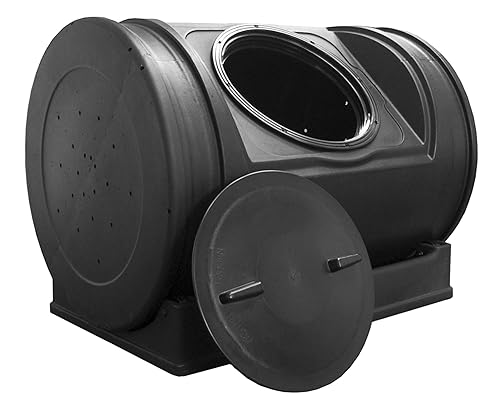
See Good Ideas EZCJR-BLK Junior Wizard Co… on AmazonIf you’ve searched “Rubbermaid compost bin” recently, you’ve probably already noticed the problem: Rubbermaid doesn’t make one. They used to, briefly, and the name stuck around in search results the way bad product names tend to. What you’re actually looking for is a ground-contact, stationary bin composter that works without a lot of fussing. The Good Ideas EZCJR-BLK Junior Wizard Compost Bin is the closest thing to what most people picture when they search that term, and it’s worth a direct look. For anyone building out a composting setup from scratch, the broader guide to Composting on this site covers the full range of options before you spend a dollar.
Quick Verdict
The Good Ideas Junior Wizard is a competent, no-drama bin composter priced depending on where you buy it. It’s open at the bottom, which means it sits directly on the soil and lets worms and microbes do the heavy lifting. No tumbling, no cranking, no weekly aeration rituals. You add material, you wait, you eventually have compost. If that sounds boring, it should. That’s what makes it good.
It won’t suit everyone. The 7-cubic-foot capacity is genuinely modest, and if you’re running a larger property or producing significant kitchen and garden waste, you’ll outgrow it faster than the marketing copy suggests. But for a yard under a quarter-acre, a small vegetable plot, or an urban backyard where space is genuinely tight, this bin does exactly what it promises.
Key Specs
The Junior Wizard measures roughly 26 inches in diameter and stands about 30 inches tall. The 7-cubic-foot volume fits somewhere between “useful” and “limited” depending on your expectations. The body is made from recycled polyethylene, in black, which matters more than it sounds because the dark color absorbs heat and speeds microbial activity during cooler months.
The walls are vented throughout, which handles airflow passively. There’s no base, no hardware floor, no separate door at the bottom. A vented lid sits on top and stays in place reasonably well under normal conditions, though I’d add a bungee in areas with persistent wind or curious wildlife. (More on lid solutions in our review of compost bin lids, if that’s a concern for your setup.)
ASIN B002D925D6 is currently available on Amazon, though pricing has moved with demand and season. Pricing moves with demand and season, so check current availability on Amazon.
Performance and Testing
How the Ground-Contact Design Actually Works
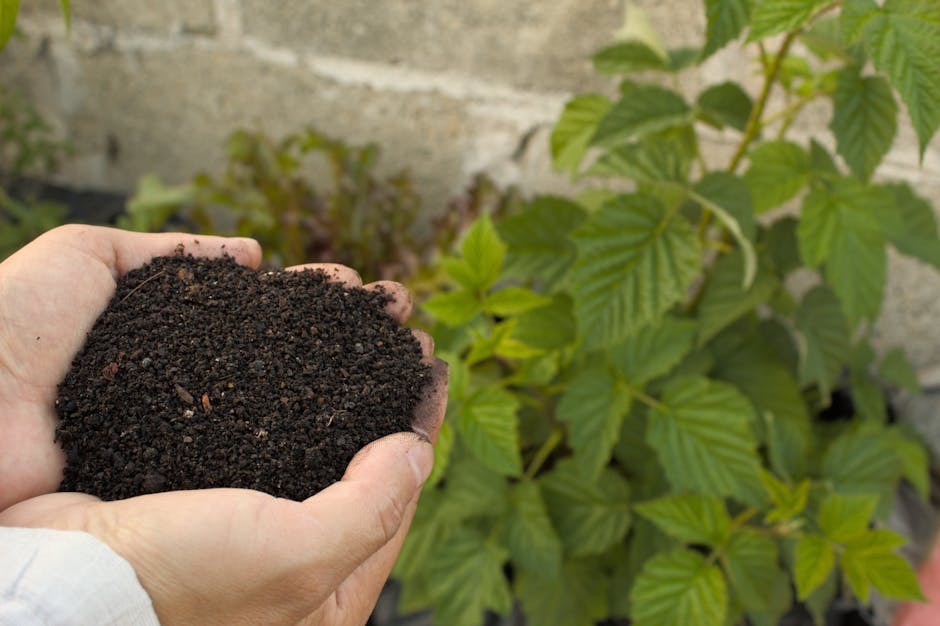
The open bottom is the design decision that separates this bin from tumblers and from most enclosed units. When you place it directly on soil, you’re not just composting the material inside. You’re inviting the entire soil ecosystem into the process. Earthworms migrate in and out freely. Fungal networks extend through the pile. Beneficial bacteria establish faster than they would in an isolated chamber.
This is why “no turning required” isn’t just a marketing claim for this style of bin. It’s structurally accurate. In a sealed tumbler, you turn the pile because you have to mechanically introduce air and break up compaction. In a ground-contact bin with vented walls, air enters from the sides and biology enters from below. The pile manages itself to a reasonable degree. I’m not saying you’ll never want to stir things along occasionally, but it’s not the chore it becomes with enclosed systems.
For comparison, the FCMP IM4000 tumbler, which and is the other bin I usually recommend in this category, produces faster results in peak season because the tumbling accelerates decomposition. But it loses that soil-contact advantage entirely, and in my experience, the compost quality from a well-run ground-contact bin over a longer cycle is indistinguishable from what the tumbler produces.
Decomposition Speed: Realistic Expectations
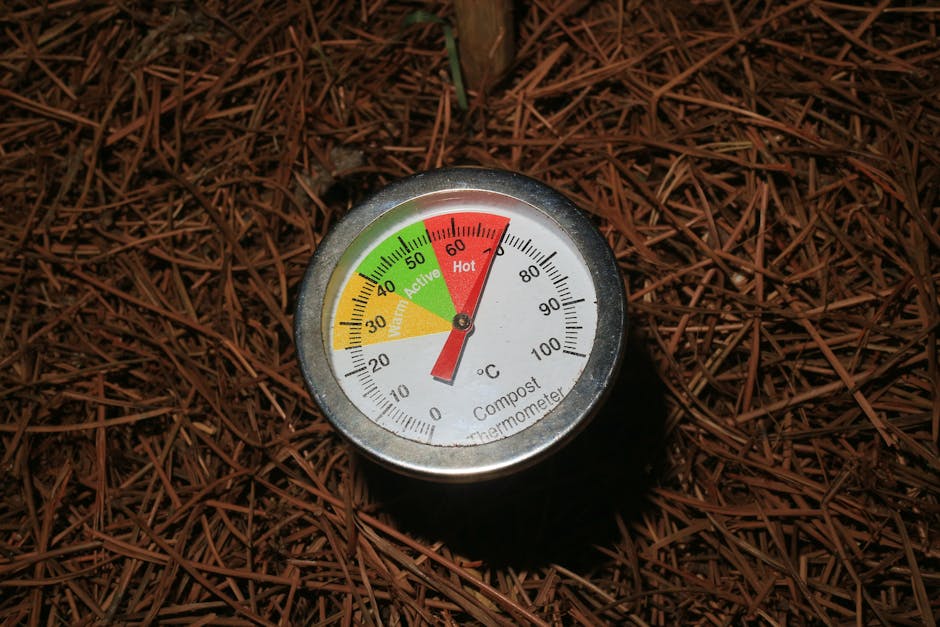
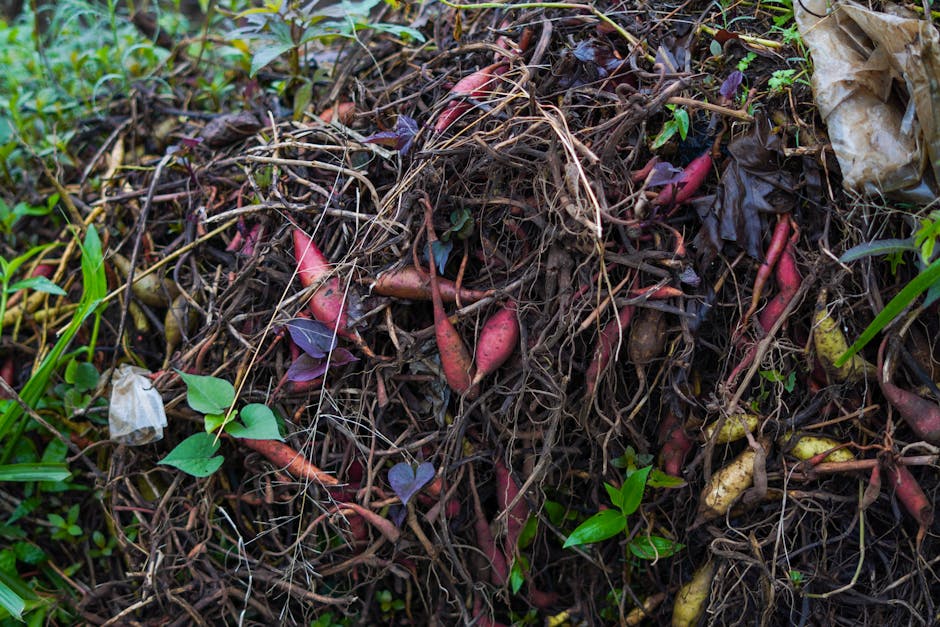
In warm months, with a reasonable carbon-to-nitrogen balance, you’re looking at usable compost in three to five months. In a hard winter where ground temperatures drop well below freezing, decomposition slows to nearly nothing and resumes in spring. That’s not a flaw in the bin. That’s composting.
The black polyethylene does help. On a sunny November day, the interior of this bin runs noticeably warmer than ambient air, which extends the active season by a few weeks on either end. I’ve pulled finished material from this style of bin as late as December in years with a mild fall.
Rodent Access: The Real Conversation
The open bottom is an advantage and a liability. If you’re in an area with significant rodent pressure, and plenty of suburban and rural properties are, a ground-contact bin with no mesh floor is an open invitation. I’ve seen this damage the case for ground-contact bins in composting forums for years, and the complaints are legitimate.
The practical fix is simple: cut a piece of half-inch hardware cloth to match the bin’s diameter and lay it on the ground beneath the unit before you place the bin over it. The worms can still pass through (they can move around or through hardware cloth given time), and rodent access drops dramatically. This adds a modest cost and about twenty minutes. If you’re in the suburbs and you compost food scraps, do this before the first use. It’s not optional. (If you want a sense of how different bin sizes handle this problem differently, the review of large-capacity composting options is worth reading before you decide on volume.)
The Compost Removal Problem
Here’s where the Junior Wizard asks for your patience. There is no door, hatch, or access port at the base. To harvest finished compost, you lift the entire bin off the pile, set it aside, fork out the mature material from the bottom of the exposed pile, then place the bin back over the remaining unfinished material.
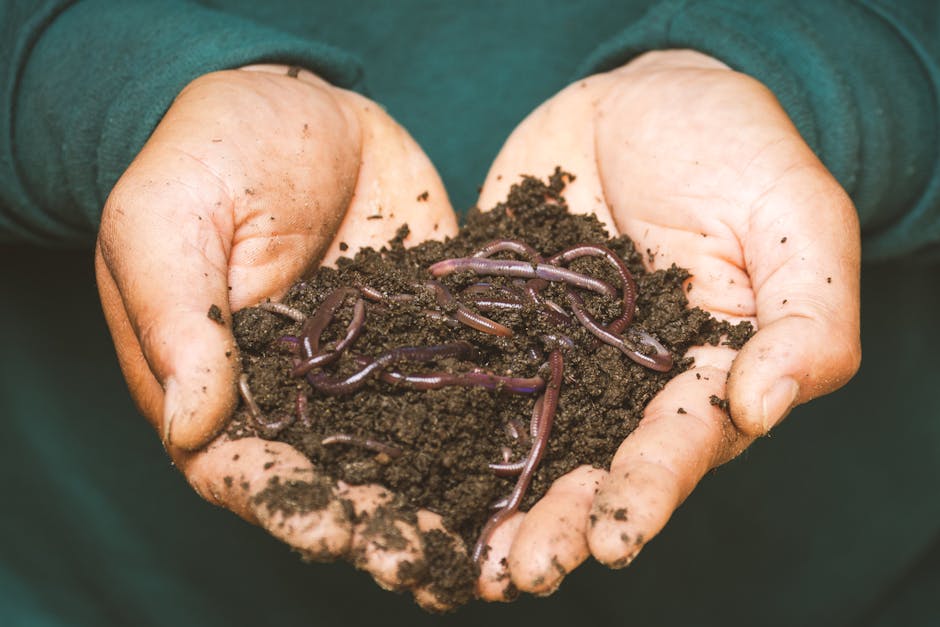
This is not elegant. It works, but it’s a two-step process that takes a few minutes and requires enough space around the bin to set it down temporarily. If you have the bin tucked into a tight corner or up against a fence, that’s worth thinking through before you place it.
Rubbermaid’s discontinued bins had a sliding door at the base for this reason. The Junior Wizard skips it entirely, presumably to keep the price point low. Whether that tradeoff bothers you depends on how often you harvest and how much you care about convenience. I harvest twice a year from my stationary bins, so it doesn’t cost me much. If you’re running a kitchen composter on a monthly cycle, you’ll find it irritating faster than I did.
Pros and Cons
Pros. The ground-contact, open-bottom design is genuinely effective and not something you get from tumblers. Worm activity accelerates decomposition without any effort on your part. The vented walls handle aeration passively. The footprint is small enough to fit almost any backyard. which cheaper bins don’t always manage.
Cons. Seven cubic feet goes fast if you’re a serious composter or have a larger property. No base access means harvesting finished compost is a two-step process every time. Rodent vulnerability is real in any area with pressure from mice or rats, and it requires the hardware cloth workaround. The lid hold could be more secure.

See Good Ideas EZCJR-BLK Junior Wizard Compost Bin, 7 cu. ft., Black on Amazon →
Who It’s For
The Junior Wizard is best suited to gardeners who want a functional, low-effort composting setup without a lot of mechanical complexity. If you’ve looked at tumblers, read about the turning schedule, and thought “I’m not doing that weekly,” this is your bin. Ground-contact composting is slower in peak season than a well-managed tumbler, but it’s more forgiving of neglect, which is an honest thing to say about most gardening products.
It’s the right size for a kitchen garden up to about 500 square feet, a household of two to four people composting standard kitchen scraps and yard waste, or a situation where space is genuinely limited. If you’re running more material than that, look at running two of these side by side rather than upgrading to a single large enclosed bin. Two Junior Wizards gives you 14 cubic feet of active capacity and a natural rotation system. That’s a setup worth considering, though I appreciate that’s not everyone’s preference.
If you’re deciding between this and a tumbler, our comparison of black compost bin styles covers the tradeoffs in more detail. And if you’re newer to composting and want to understand what finished compost actually delivers versus what worm castings provide, the article on worm castings vs. compost will clear up a lot of the confusion that circulates online.
For the full picture on structuring a home composting system, the site’s composting resource hub is the right starting point.
Frequently Asked Questions
Does Rubbermaid make a compost bin?
Not currently. Rubbermaid discontinued its compost bin line some years ago. The name persists in search results because the original units were widely sold and well-regarded, but there is no current Rubbermaid compost bin in production. The Good Ideas Junior Wizard is a comparable product in the same category and price range.
Can I use the Junior Wizard on a patio or concrete surface?
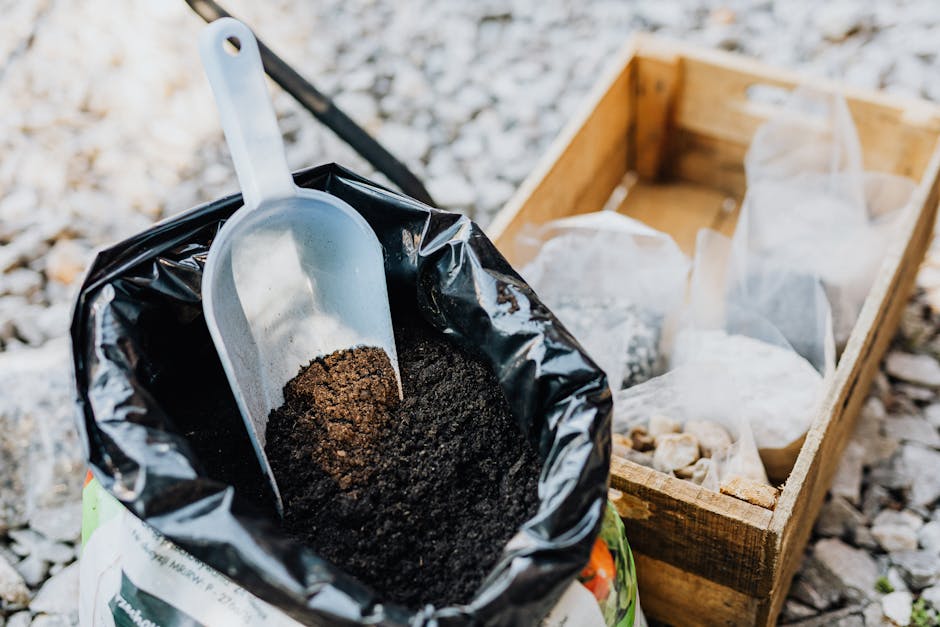
Technically yes, but you lose most of what makes this bin work. The open-bottom design is built around soil contact. Without it, you have no worm activity, no microbial migration from below, and you’ll need to turn the pile manually to compensate. If you’re composting on a hard surface, a tumbler is a better fit for your situation.
How long does it take to produce finished compost in the Junior Wizard?
Three to five months in warm weather with a balanced mix of green and brown material. In cooler months, decomposition slows significantly. If you’re composting through a cold winter, expect the pile to pause and resume in spring. The bin itself doesn’t affect the timeline as much as your climate and your input ratio do.
Do I need to add worms to the Junior Wizard?
No. One of the points of a ground-contact bin is that worms migrate in on their own through the open bottom. Adding purchased worms is unnecessary and probably wasteful since they’ll move in and out freely anyway. Red wigglers, which are a different species than standard earthworms and are sold for vermicomposting, won’t establish well in an outdoor ground-contact bin regardless.
How do I harvest finished compost from the Junior Wizard?
Lift the bin straight up off the pile. The finished compost will be at the bottom, darker and finer-textured than the material above it. Fork that out into a wheelbarrow or container, then set the bin back down over the remaining unfinished material. It takes about ten minutes once you’ve done it a couple of times. There’s no base door, so this lift-and-shift method is the only option the design offers.
Good Ideas EZCJR-BLK Junior Wizard Compost Bin, 7 cu. ft., Black: Pros & Cons
- Ground-level open-bottom design allows worms and soil microbes to enter naturally
- Vented walls promote airflow , no turning required for aerobic decomposition
- Open bottom means rodents can access the bin , add a hardware cloth base in rodent-heavy areas
Frequently Asked Questions
Does Rubbermaid still make compost bins?
No — Rubbermaid discontinued its compost bin line, so the product is no longer available new. If you're searching for the classic Rubbermaid composter, the Good Ideas Junior Wizard is the closest current alternative in terms of size, shape, and ground-level open-bottom design.
What is the best alternative to the Rubbermaid compost bin?
The Good Ideas Junior Wizard Compost Bin is the most comparable replacement — it has an open bottom for worm access, vented walls for airflow, and a similar footprint to the discontinued Rubbermaid unit. It works without turning and fits easily in most backyards.
How do I keep rodents out of a ground-level compost bin?
Open-bottom bins like the Good Ideas Junior Wizard can allow rodents to enter from below. Line the bottom with 1/4-inch hardware cloth and bury the edges a few inches into the ground to block access without impeding worm activity.
Do I need to turn compost in a passive compost bin?
No — bins with vented walls are designed for aerobic decomposition without turning. As long as you maintain a reasonable balance of greens and browns and the bin stays moist, the material will break down on its own, though it will take longer than actively managed hot compost.
How long does it take to get finished compost from a backyard bin?
Passive composting in a ground-level bin typically takes 6–12 months depending on what you add, temperature, and moisture levels. Adding a mix of carbon-rich browns (leaves, cardboard) and nitrogen-rich greens (kitchen scraps, grass clippings) in roughly equal parts speeds the process.
Where to Buy
Good Ideas EZCJR-BLK Junior Wizard Compost Bin, 7 cu. ft., BlackSee Good Ideas EZCJR-BLK Junior Wizard Co… on Amazon