Heat for Greenhouse: 5 Heater Options Compared

Affiliate disclosure: Some links on this page are affiliate links. If you buy through them we earn a small commission at no extra cost to you. Recommendations are research-driven; we don't claim personal use of every product reviewed. Product prices and availability are accurate as of the date published and are subject to change. Always check Amazon for current pricing before purchasing. Learn more.

Quick Picks
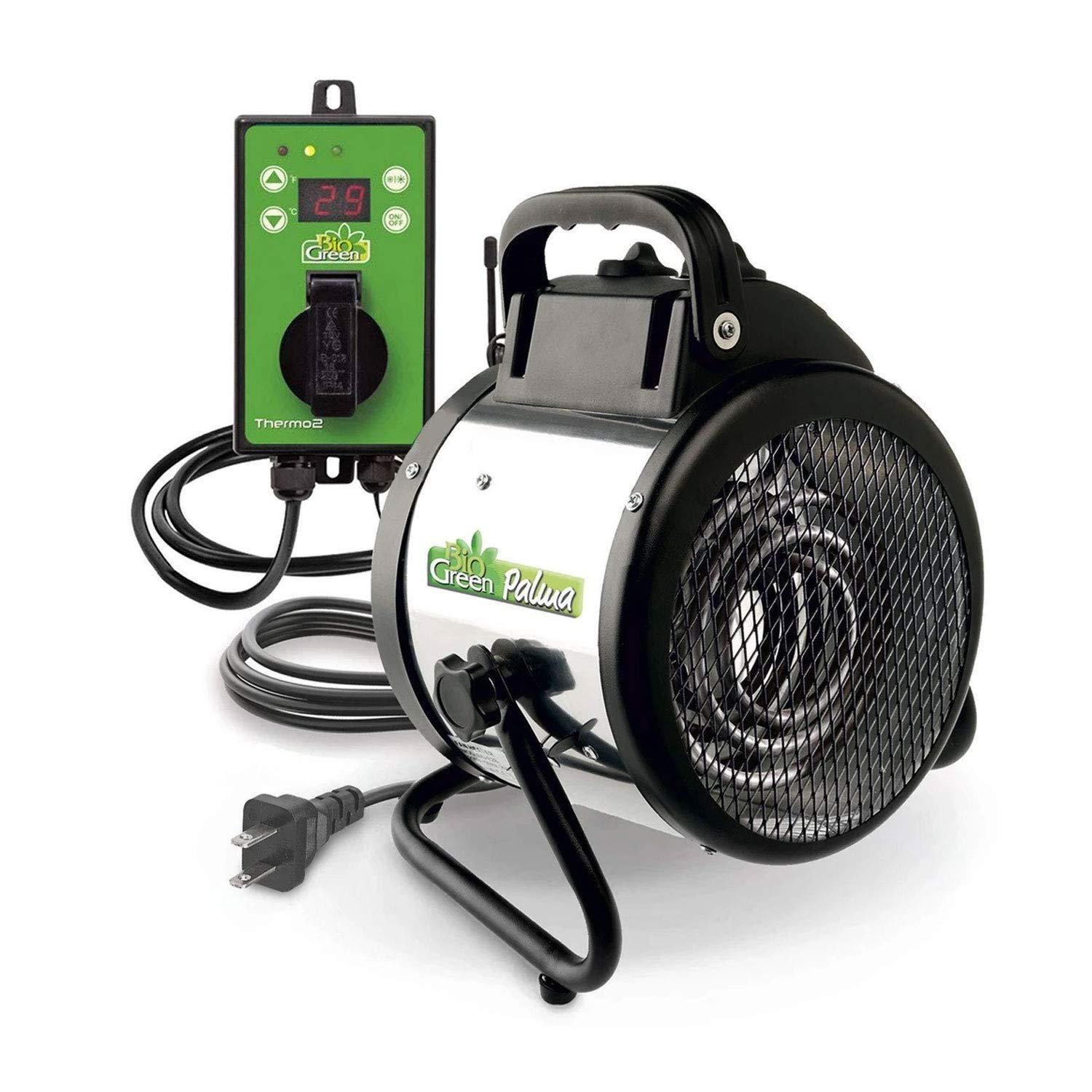
BioGreen PALMA Electric Greenhouse Heater & Fan with Digital Thermostat, 1500W
Purpose-built for greenhouses , IPX4 spray-water rating, stainless steel
Buy on Amazon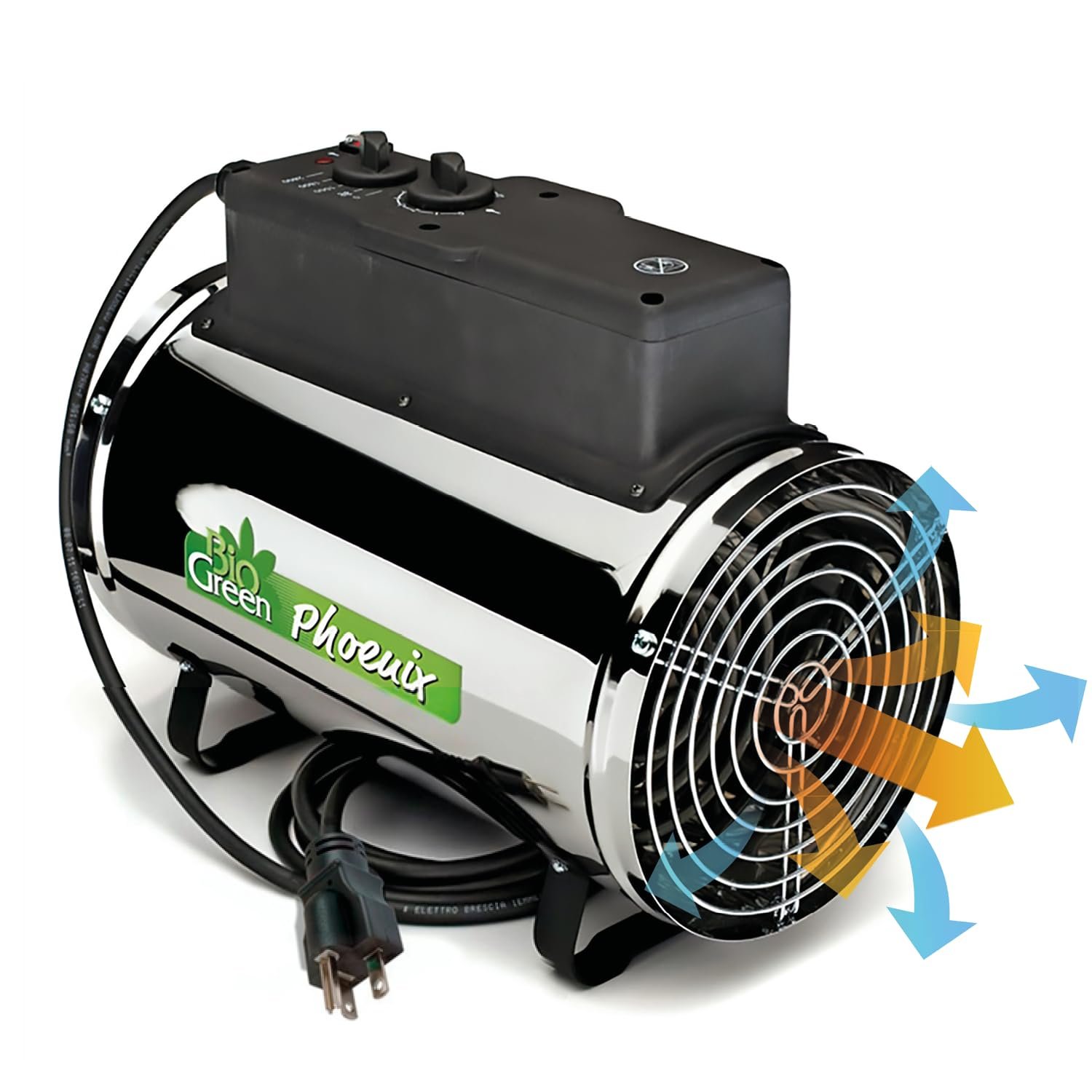
Bio Green Phoenix PHX 2.8/US Greenhouse Heater, 9,553 BTU, 240V
Frost detection automatically activates when temps drop
Buy on Amazon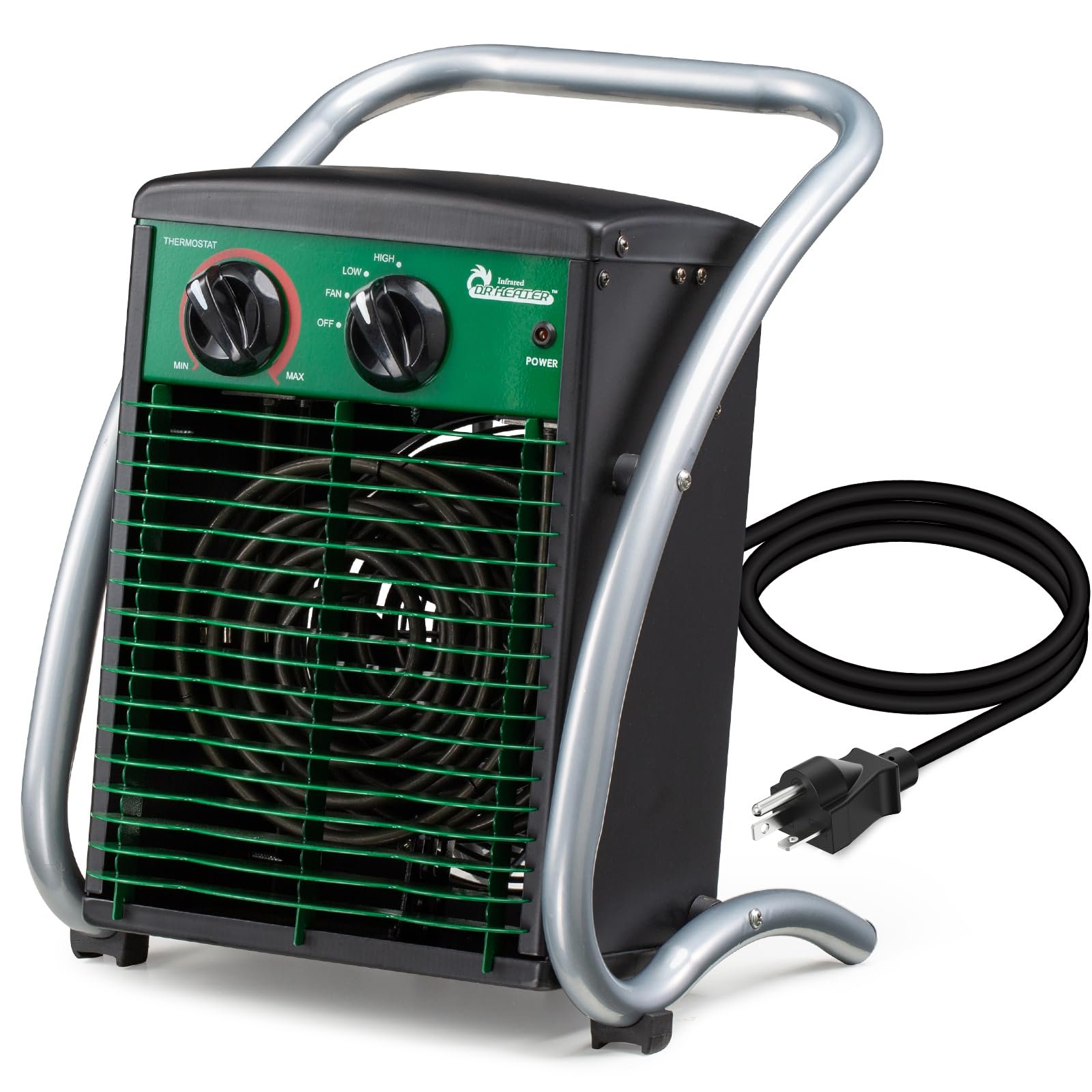
Dr Infrared Heater DR. INFRARED HEATER DR218 Greenhouse Infrared Heater, 3000W
3000W infrared heats plants and surfaces directly, not just air
Buy on Amazon| Product | Price Range | Top Strength | Key Weakness | Buy |
|---|---|---|---|---|
| BioGreen PALMA Electric Greenhouse Heater & Fan with Digital Thermostat, 1500W also consider | $$ | Purpose-built for greenhouses , IPX4 spray-water rating, stainless steel | More expensive than general-purpose electric heaters | Buy on Amazon |
| Bio Green Phoenix PHX 2.8/US Greenhouse Heater, 9,553 BTU, 240V also consider | $$$ | Frost detection automatically activates when temps drop | Requires 240V wiring , not a standard outlet | Buy on Amazon |
| Dr Infrared Heater DR. INFRARED HEATER DR218 Greenhouse Infrared Heater, 3000W also consider | $$ | 3000W infrared heats plants and surfaces directly, not just air | Requires 240V at full 3000W output | Buy on Amazon |
| Mr. Heater 9,000 BTU Portable Buddy Radiant Propane Heater also consider | $ | Low-oxygen shutoff and tip-over safety , critical for enclosed greenhouse use | Requires ventilation in enclosed spaces , produces moisture and CO | Buy on Amazon |
| Generic 2-in-1 Portable Kerosene Heater & Stove, 9,000 BTU, Non-Electric also consider | $ | Non-electric , works off-grid or during power outages | Kerosene fuel can be harder to source than propane | Buy on Amazon |
A greenhouse without heat is a cold frame with ambitions. It might protect your plants from wind and frost for a few weeks in fall, but once temperatures drop hard, you’re managing a slow decline rather than extending a season. The question isn’t whether to heat your greenhouse. It’s how to do it without spending a fortune on equipment that wasn’t designed for the job.
There are more greenhouse heaters on the market than there used to be, which means more options and more ways to buy the wrong thing. This article covers five picks across different fuel types and price points, with a recommendation for each situation. If you’re building out your growing setup and haven’t settled on a structure yet, the Greenhouses, Sheds & Gazebos section has guidance on sizing and siting before you start running electrical.
What Heating a Greenhouse Actually Involves
A greenhouse creates a buffer between outdoor temperatures and your plants. In summer, that buffer works against you. In winter or during shoulder seasons, it’s the entire point. But the buffer alone doesn’t heat anything. On a night when outdoor temps fall into the teens, even a well-sealed polycarbonate greenhouse will drop well below freezing without a heat source.
The two main heating approaches are convective (fan-forced warm air) and radiant (infrared or direct heat). Convective heaters warm the air, which then circulates around your plants. Radiant heaters warm surfaces and objects directly, the way sunlight does. Both work. They work differently, and the distinction matters more than most product descriptions acknowledge.
Fuel type is the second decision. Electric is cleanest and most precise. Propane and kerosene work off-grid but require ventilation because they produce combustion byproducts, including carbon monoxide and moisture. In an enclosed greenhouse, moisture from a propane heater can actually cause fungal problems if you’re not managing airflow. That’s not a reason to avoid propane entirely. It’s a reason to know what you’re getting into.
The right answer for a 200-square-foot attached greenhouse with a 20-amp outdoor circuit is different from the right answer for a freestanding hoop house with no electrical service. Size your greenhouse correctly first. If you’re still evaluating structures, our 12x20 greenhouse kit guide covers what to expect in that footprint, which is the most common size where heating becomes a real budget consideration.
Why Getting This Right Matters More Than You’d Think
One hard frost event can wipe out an overwintered crop that took three months to establish. Beyond the plant loss, there’s the structural damage when a frozen water line bursts or a humidity-sensitive growing medium gets damaged by temperature swings.
The other problem is overheating. A heater without a thermostat in a small greenhouse on a sunny March day can cook your seedlings just as effectively as frost can kill them. Precision matters. A 10-degree swing overnight is normal and manageable. A 40-degree swing because your heater ran at full blast through a sunny afternoon is not.
This is why purpose-built greenhouse heaters are worth the premium over repurposed shop heaters or household space heaters. The thermostat calibration, the moisture resistance, and the airflow patterns are designed for a different set of conditions than a living room.
The Five Heaters, Assessed
BioGreen PALMA: The Best Overall Pick
The BioGreen PALMA Electric Greenhouse Heater & Fan with Digital Thermostat, 1500W is my primary recommendation for anyone with electrical service to their greenhouse.
The credentials that matter: IPX4 water resistance rating, stainless steel construction, and a digital thermostat that actually maintains the temperature you set rather than cycling through a wide range. IPX4 means it handles splashing from any direction, which is a real concern in a space where you’re watering overhead or running misters.
At 1500W, it runs on a standard 120V circuit, but you want a dedicated 15-amp or 20-amp outdoor-rated circuit for it, not an extension cord daisy-chained from your garage. The fan distributes heat evenly, which matters in a rectangular greenhouse where corners tend to run 5 to 8 degrees colder than the center.
The con is the price relative to a basic space heater. A box fan heater will push air. It won’t tell you what the temperature is, won’t maintain a setpoint reliably, and will likely fail within one season in a humid growing environment. The PALMA is more expensive because it’s built for where it’s going.
Bio Green Phoenix PHX 2.8/US: For Serious Growers with 240V
The Bio Green Phoenix PHX 2.8/US Greenhouse Heater and requires 240V wiring. Stop reading this section if you don’t have 240V service to your greenhouse and aren’t prepared to wire it. That’s not a knock on the product. It’s just a different category.
If you do have 240V, the Phoenix delivers 9,553 BTU and handles both heating and cooling, which makes it a genuine year-round climate controller rather than a single-season solution. The frost detection feature is worth calling out: it activates automatically when temperatures fall below a set threshold, which means it functions as a backup even if you forget to switch it on. For growers overwintering anything you can’t afford to lose, that matters.
The build quality is premium throughout. This is the heater for someone running a serious propagation setup or growing crops through winter rather than just keeping perennials alive.
Dr. Infrared Heater DR218: A Different Philosophy
The DR. INFRARED HEATER DR218 Greenhouse Infrared Heater, 3000W also requires 240V at full output, and it’s priced in the mid range relative to what it delivers. The key distinction from the fan-forced heaters above is how it heats.
Infrared heaters don’t warm the air. They warm surfaces, including the soil in your beds, the pots on your benches, and the foliage of your plants. This more closely resembles natural solar radiation than convective heat does. Root zone warming in particular tends to produce better plant responses than ambient air temperature alone.
The tradeoff: infrared doesn’t distribute warmth as evenly through the full volume of air in your greenhouse. A large, cold greenhouse with the DR218 mounted at one end will have a warm zone near the heater and a colder zone at the far end. For a smaller, well-insulated space, this is largely a non-issue. For a 12x20 or larger structure, you may want supplemental circulation.
I’d use this in a dedicated propagation bench setup more readily than as a whole-greenhouse solution. (That’s a specific use case, I realize, but it’s the one where infrared genuinely outperforms convective.)
Mr. Heater Portable Buddy: The Propane Standard
The Mr. Heater 9,000 BTU Portable Buddy Radiant Propane Heater and doesn’t require any electrical infrastructure at all. It’s the benchmark for portable propane heating in small greenhouses and the most widely trusted option in this category.
The safety features matter in an enclosed space. Low-oxygen shutoff and tip-over shutoff are both present, which isn’t universal in portable propane heaters. At 9,000 BTU, it covers up to roughly 225 square feet adequately in moderate cold.
The ventilation requirement is non-negotiable. Propane combustion produces carbon monoxide and water vapor. In an enclosed greenhouse, CO accumulation is a health risk to you and excessive moisture can damage plants. Crack a vent or a door. This is standard practice with any combustion heater in an enclosed space, not a reason to avoid the Portable Buddy, but worth stating plainly before someone seals their greenhouse and wonders why their tomato seedlings are damping off.
The small 1-lb canisters run out faster than you’d expect on a cold night. An adapter hose for a standard 20-lb propane tank is and makes this significantly more practical for extended use.
Kerosene Heater 2-in-1: Off-Grid Backup
The 2-in-1 Portable Kerosene Heater & Stove, 9,000 BTU. It’s a generic product, and I’d treat it as such. The reason it earns a place here is the use case it solves: no electrical service, no propane, power outage, or a remote greenhouse location where fuel delivery is irregular.
Kerosene is harder to source than propane in most suburban and rural areas, but it stores well and burns reliably. The same ventilation requirements apply as with propane. The 2-in-1 stove function is more novelty than greenhouse feature, but the heater function is serviceable for small spaces.
This is a backup or off-grid pick. If you have electrical service to your greenhouse, start with the PALMA and don’t look back.
Common Mistakes Worth Avoiding
Buying for peak cold, not average cold. Size a heater for your worst expected night, but know that running a 9,500 BTU heater in a small greenhouse on a 35-degree night will overheat it unless your thermostat is controlling output. Match heater capacity to greenhouse volume and insulation quality.
Skipping the dedicated circuit. Running a 1500W heater on an undersized or shared circuit is a fire risk. If you’ve wired up a flat roof garden shed or a storage structure with electrical, you already know this conversation. Greenhouses are no different.
No thermostat, or an uncalibrated one. A heater without a thermostat is a liability. If you buy a heater without one built in, pair it with a standalone temperature controller. They’re and will save more than that in energy costs in a single month.
Ignoring humidity as a factor. Combustion heaters add moisture. A sealed, over-humidified greenhouse is a fungal disease environment. Ventilation isn’t just a safety measure. It’s also plant health management.
Running a heater not rated for wet environments. A household space heater in a greenhouse will fail, and depending on the failure mode, may fail dangerously. IPX4 rating at minimum for any electric heater in a greenhouse. The PALMA has it. Most shop heaters don’t.
For more on greenhouse infrastructure and storage structure planning, the Greenhouses, Sheds & Gazebos hub covers layout, materials, and sizing decisions that affect how you approach heating from the start.
Frequently Asked Questions
What size heater do I need for my greenhouse?
A common rule of thumb is 10 BTU per cubic foot of greenhouse space in a reasonably insulated structure. A 10x12 greenhouse with 8-foot peak height is roughly 960 cubic feet, suggesting around 9,600 BTU. Adjust up for poorly insulated structures, single-layer plastic covering, or if you’re in a region with sustained hard winters. Electric heater wattage converts at roughly 3,412 BTU per kilowatt, so a 1500W heater delivers about 5,100 BTU, which is appropriate for a small, well-insulated space.

Can I use a regular space heater in my greenhouse?
Technically, many will produce heat. Practically, most household space heaters aren’t moisture-rated for greenhouse environments, and they’ll fail prematurely or develop electrical hazards in humid conditions. If you’re heating a greenhouse seasonally and care about your plants, use a heater with an IPX4 rating or better. The cost difference between a purpose-built unit and a replacement household heater after one season is small.
Is propane or electric better for a greenhouse?
Electric is more precise, cleaner, and easier to control with a thermostat. It’s the better choice when you have a reliable outdoor-rated circuit. Propane is more flexible, works off-grid, and provides higher BTU output in a portable package. The ventilation requirement with propane is the significant operational difference. In a well-vented or larger greenhouse, propane is entirely workable. In a small, tightly sealed space, electric is safer and more controllable.
How do I prevent my greenhouse from overheating on sunny days?
A good thermostat on your heater solves part of this. Beyond that, ventilation management matters. Roof vents or automatic vent openers that respond to temperature will exhaust heat before it becomes a problem. Most greenhouse overheating in spring isn’t from the heater running. It’s from solar gain through glazing with inadequate ventilation. Shade cloth for south-facing panels is worth considering if you’re in a bright region.
Do greenhouse heaters work during power outages?
Electric heaters don’t. This is the scenario where a propane Portable Buddy or a kerosene heater earns its place. If you’re in an area with frequent winter power outages, keeping a portable propane heater as backup alongside your primary electric setup is a reasonable precaution. A 20-lb propane tank with an adapter hose will run the Portable Buddy for 30 to 50 hours at medium output, which covers most outage events.
Frequently Asked Questions
What type of heater is best for a greenhouse?
Purpose-built electric greenhouse heaters like the BioGreen Palma are the safest and most controllable option, with moisture-resistant ratings and precise digital thermostats. Propane heaters like the Mr. Heater Portable Buddy work well where electricity isn't available but require adequate ventilation to prevent CO buildup.
Do I need 240V wiring to heat a greenhouse?
Only some higher-output heaters require 240V — the Bio Green Phoenix and Dr. Infrared DR218 at full power both need 240V wiring. Many smaller greenhouse heaters run on standard 120V outlets, making them easier to install without an electrician.
Can I use a propane heater inside a greenhouse safely?
Propane heaters like the Mr. Heater Portable Buddy can be used in greenhouses if you provide adequate ventilation to prevent CO accumulation and oxygen depletion. Always choose a model with low-oxygen shutoff and tip-over protection, and crack a vent or door slightly during operation.
How many BTUs do I need to heat a greenhouse?
A 9,000 BTU heater is generally sufficient for a small greenhouse up to around 225 square feet in mild climates. Larger structures, colder climates, or poorly insulated glazing will require more BTUs — calculate based on your greenhouse's square footage, minimum outside temperature, and insulation quality.
Is infrared heating good for greenhouses?
Infrared heaters like the Dr. Infrared DR218 heat plants and soil surfaces directly rather than warming air, which can be more efficient in drafty greenhouses. The tradeoff is that they require 240V power at full output and create uneven heat distribution compared to fan-assisted heaters.
Where to Buy
BioGreen PALMA Electric Greenhouse Heater & Fan with Digital Thermostat, 1500WSee BioGreen PALMA Electric Greenhouse He… on Amazon