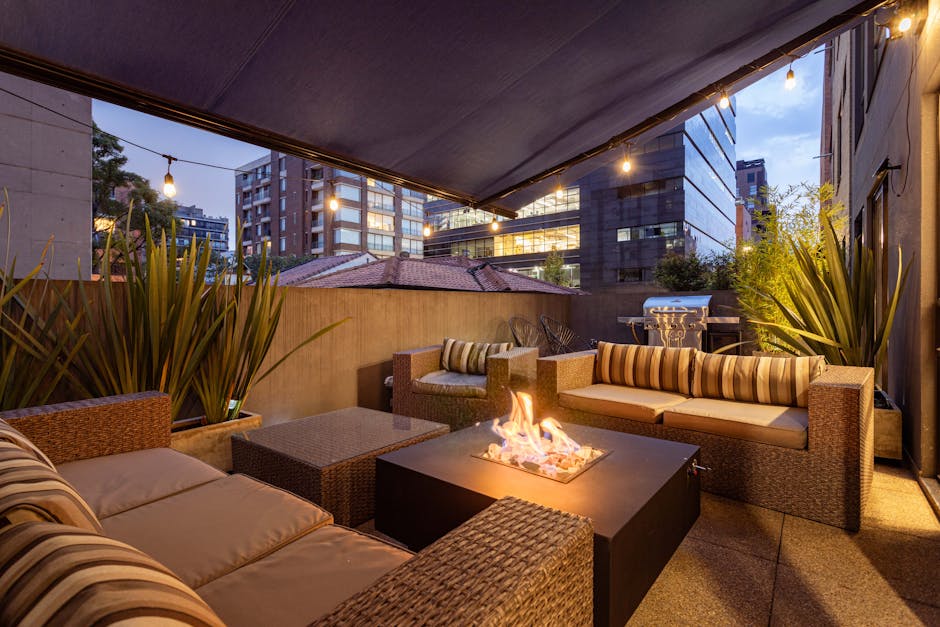
Hiland Pyramid Patio Heater Review: Looks Good, Works Better

Affiliate disclosure: Some links on this page are affiliate links. If you buy through them we earn a small commission at no extra cost to you. Recommendations are research-driven; we don't claim personal use of every product reviewed. Product prices and availability are accurate as of the date published and are subject to change. Always check Amazon for current pricing before purchasing. Learn more.
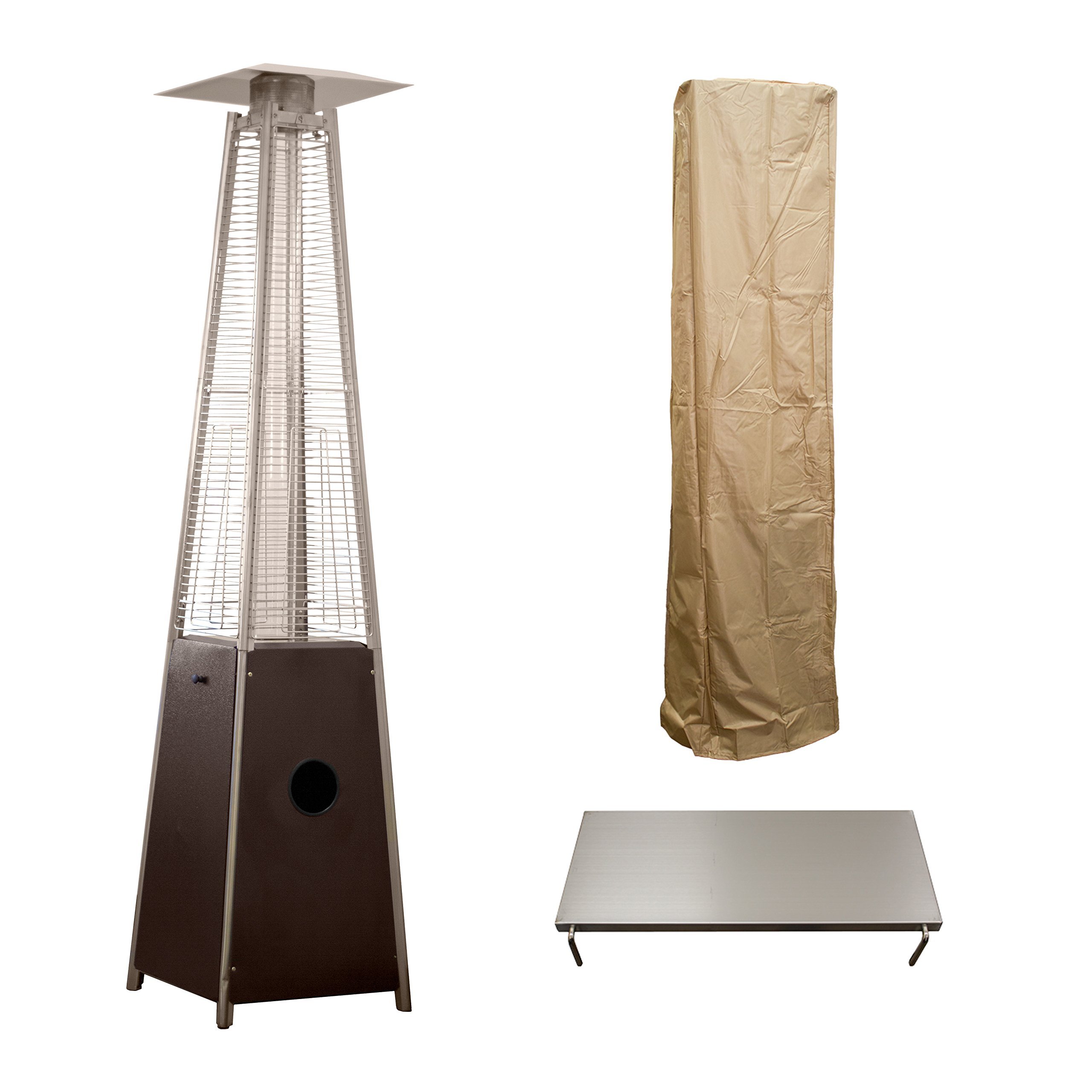
Pyramid flame column visible through glass tube is a dramatic visual focal point
See Hiland HLDSO1-GTHG 91-Inch Quartz Gla… on AmazonMost patio heaters disappear into the background. They’re functional, forgettable, and about as interesting to look at as a parking lot lamppost. The Hiland HLDS01-WGTHG 40,000 BTU Pyramid Patio Heater is not that. It makes a case for itself on looks before it even ignites, and then the flame column comes on and your guests stop talking for a second. That’s a real thing that happens.
A fair number of heaters have been tested for our Fire Pits & Patio Heaters coverage, and this one sits in a specific category that deserves honest treatment: beautiful, genuinely functional, but with tradeoffs that matter depending on how you use your outdoor space. Let me be direct about what this heater does well, what it doesn’t, and whether it belongs on your patio.
Quick Verdict
The Hiland HLDS01-WGTHG is a statement piece that also works. it’s priced reasonably for what you get. The pyramid flame column is genuinely beautiful at night, the built-in wheels make repositioning a one-person job, and CSA certification means you’re not rolling the dice on safety. The quartz glass tube is fragile, and if you have a regular dinner-party crowd seated around a table expecting even heat distribution, a mushroom-style overhead heater will serve them better. But if the question is which heater will make your back patio look like something worth sitting on, the Hiland wins that argument with ease.
Bottom line. Buy it for the visual impact and the ambiance. Accept that it throws heat in a column pattern. Budget for a replacement glass tube, because at some point you’ll want a spare.
Key Specs
- BTU output. 40,000 BTU propane
- Fuel. Standard 20 lb propane tank (fits inside the base, concealed)
- Heat radius. Approximately 10 to 12 feet diameter at moderate settings
- Height. Around 87 inches fully assembled
- Ignition. Push-button piezo
- Safety features. Tip-over shutoff, pilot outage protection, CSA certified
- Mobility. Wheels built into base
- Finish. Hammered bronze
- Weight. Approximately 37 lbs without tank
The 20 lb propane tank concealed inside the base is a design win. Other freestanding heaters in this price range leave the tank exposed or require a separate cover. If you’ve ever tripped over a propane cylinder at someone else’s party, you understand why this matters.
Assembly
Out of the box, the Hiland arrives in a single box with the glass tube packed separately and heavily padded. Reasonable call on their part — the tube is the most vulnerable part and the one that would be most aggravating to damage before the first use. Assembly takes about 30 to 40 minutes working alone. The instructions are clear, the hardware is labeled, and the pole sections stack and connect without ambiguity. The main awkwardness is threading the gas line through the pole sections before you close them up, which requires reading the instructions in order rather than just winging it as most of us do. If you miss that step you’re partially disassembling the heater.
The hammered bronze finish looks better in person than in product photographs, which is not something I say often. It has real weight and texture to it, not the thin spray-paint-over-aluminum look of cheaper heaters. It didn’t show any scuffing during assembly, which surprised me given how often metal pieces rub against each other during setup.
Performance and Testing
Heat Output
Forty thousand BTUs from a freestanding propane heater is standard. The Briggs & Stratton crowd will tell you BTU numbers are marketing and they’re not entirely wrong, but 40,000 is the sweet spot for outdoor use in anything below about 50 degrees Fahrenheit without wind. I ran this heater through several evenings in the mid-40s and found it kept a roughly 10-foot radius comfortable for standing guests. Seated guests at a table placed directly in front of it got good warmth on their faces and upper bodies. Their feet were another matter.
That’s a column-heater limitation, not a Hiland failure specifically. Compare it to a mushroom-style unit like the AmazonBasics Outdoor Patio Heater or the Dyna-Glo 48,000 BTU model, which distribute heat downward from an overhead reflector. If you’re running a dinner party with six people seated around a 60-inch table, a mushroom heater warms the group more evenly. The Hiland warms the space more dramatically.
Ignition and Controls
Push-button piezo ignition worked reliably in hands-on testing, though like every piezo system I’ve used, cold temperatures below freezing made it slightly harder to catch. Three or four presses rather than one. The flame height adjusts with a knob that turns smoothly, and the pilot outage protection kicked in correctly each time, verified by blocking the burner briefly. (Done deliberately — CSA certification only tells you the design is approved, not that the specific unit in the box works.)
The tip-over shutoff is a gas valve mechanism that triggers when the unit tilts past a safe angle. I did not deliberately tip the heater, but I did push it sideways while running and felt the resistance of the mechanism engage. It functions as described.
The Glass Tube
The quartz glass tube is the centerpiece of the design and its primary vulnerability. The flame burns inside the tube, creating that column of fire visible from every angle. It’s a genuinely good-looking effect, especially after dark. The tube is also breakable. Not fragile in the sense that you’ll crack it by looking at it, but fragile in the sense that a tip-over on a hard surface or a strong impact will end it. Replacement tubes are available on Amazon for, and I’d recommend ordering one when you buy the heater rather than scrambling for it later.
Wind is the other factor. The tube provides some protection for the flame, but sustained gusts above about 15 mph will cause flickering and heat loss. This isn’t different from most freestanding heaters, but the glass tube doesn’t provide the full flame protection you might assume from looking at it.
Mobility
The built-in wheels are a small thing that makes a meaningful difference. The tank adds weight, and without wheels a full heater at 57-plus pounds becomes a two-person job to reposition. With the wheels, I moved it from the flagstone area to the lawn edge by myself in under a minute. If you rearrange your outdoor furniture by season or just like options, this matters more than it might sound.
Pros and Cons
Pros.
- The pyramid flame column is a visual focal point that no mushroom-style heater matches at this price
- Built-in concealed propane tank storage keeps the setup clean
- Wheels make solo repositioning practical
- CSA certification with functional tip-over and pilot safety systems
- Hammered bronze finish holds up well and doesn’t show minor scuffs
Cons.
- Quartz glass tube will not survive a hard tip-over on concrete or stone
- Heat distribution favors column pattern over even overhead spread, which matters for seated dinner-party use
- Piezo ignition gets stubborn in freezing temperatures
- No cover included at this price point (budget extra for a fitted cover, or look at options in our propane fire pit cover guide for comparable sizing notes)
See Hiland HLDSO1-GTHG 91-Inch Quartz Glass Tube Patio Heater with Cover and Table on Amazon →
Seasonal Storage and Propane Management
This heater does not live outside year-round on my property. I use it from late September through early November and again in April, which is when Connecticut evenings make outdoor entertaining conditional. Between seasons, it goes into the garage. The disassembly is the reverse of assembly — it takes about 20 minutes — and the pole sections nest efficiently enough to store in a corner without taking up much space.
If you’re not willing to store it, budget for a fitted cover. The hammered bronze finish doesn’t look like it would be particularly damaged by a winter outside, but the gas fittings and the valve assembly deserve protection from ice, moisture, and road salt if you’re near the coast. A cover also keeps the glass tube cleaner — dust and pollen that settle inside the tube during storage create a faint haze until they burn off, which takes a few minutes of operation but produces a smell in the meantime. A covered unit avoids this entirely.
On propane: the 20 lb tank hides cleanly inside the base, which is one of the better design choices on this heater. It looks finished rather than improvised. A full 20 lb tank at 40,000 BTU gets roughly 8 to 10 hours of runtime at full output, more if you’re running at medium. My practical experience is that I don’t run this at full blast all evening — too warm for the people standing close to it — so I get closer to 12 hours per tank. Keep a spare tank if you’re hosting long events. Running out mid-party and swapping tanks in the dark while guests watch is avoidable.
Durability: Year Two Observations
The bronze finish has held without meaningful change. No rust, no pitting, no color shift. The gas valve still turns smoothly. The wheels still roll without wobbling. The glass tube is the same tube that came in the box — I’ve been careful, and it’s survived one near-tip on grass (the tip-over shutoff engaged immediately). Two seasons isn’t a decade, but the construction quality suggests this is not a product that will embarrass you by year three.
The one thing I’d watch is the connection point between the uppermost pole section and the burner head. After two seasons of assembly and disassembly, that joint is still solid, but it’s the joint under the most thermal stress from the burner. Applying a small amount of anti-seize compound to the threads before reassembly each season is something I started doing after the second season, mostly out of habit from experience with other propane equipment. Whether that’s strictly necessary is unclear, but it costs nothing and takes thirty seconds.
Who It’s For
The Hiland pyramid heater is for people who use their outdoor space as an extension of their interior and care about how it looks. If your back patio has furniture you thought about, lighting you chose deliberately, and a fire element that’s meant to do more than just warm you, this heater fits. It also works well for anyone hosting cocktail-party-style gatherings where guests move around rather than staying seated. A standing crowd gets heat more evenly from a column heater than a seated crowd does.
It’s not the best choice for a covered pergola with fixed seating and guests who want to stay warm from ankle to shoulder. For that use case, a wall-mounted option or an overhead unit serves better. Our coverage of wall mounted patio heater options is a better starting point if your setup is fixed and covered.
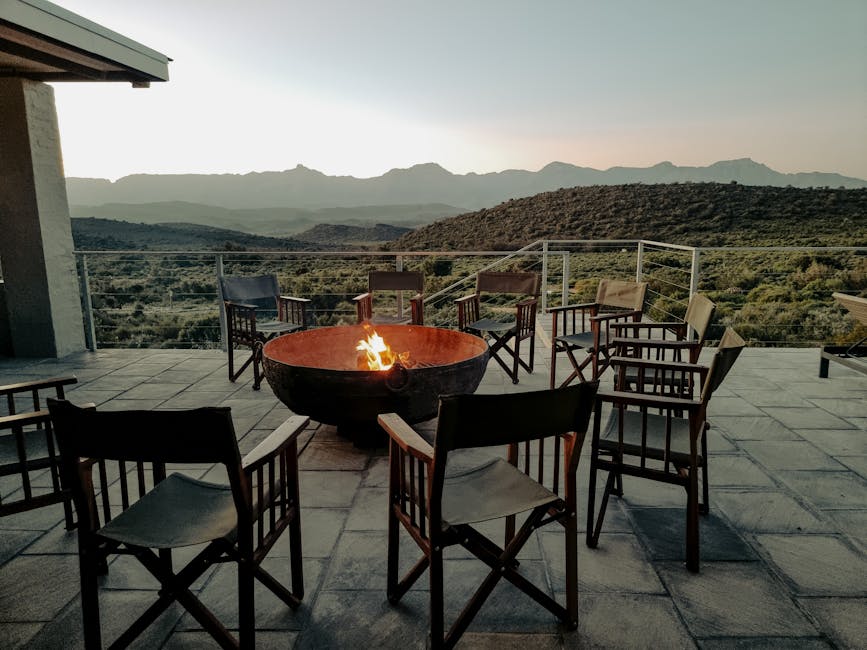
It’s also worth being honest about the comparison to fire table products. If you’re already weighing whether you want a heater or a fire feature, a fire pit with coffee table configuration offers a different kind of visual and social anchor. The Hiland makes sense when you want genuine heat output plus a visual statement and don’t want to dedicate surface space to a table unit.
For properties with mixed-use zones, there’s a case for running both. I have a fire table on the main entertaining terrace and have used column heaters like this one to extend a second seating area without running a second fire feature. That’s probably more heater investment than most people need, if I’m being honest about it.
Where to Buy
The Hiland HLDS01-WGTHG Pyramid Patio Heater is available on Amazon, currently priced. Prices move with season, so if you’re reading this in September, you’ll likely pay less than if you’re reading it in October after the first cold snap reminds everyone they own a patio.
For anyone building out a full outdoor heat and fire setup, the broader outdoor fire and heat section covers the product categories worth comparing before committing to a single solution.
,
Hiland HLDSO1-GTHG 91-Inch Quartz Glass Tube Patio Heater with Cover and Table: Pros & Cons
- Pyramid flame column visible through glass tube is a dramatic visual focal point
- Wheels built into base for easy repositioning without lifting
- Quartz glass tube is fragile , a tip-over or strong impact can crack it
Frequently Asked Questions
How long does a 20 lb propane tank last on the Hiland pyramid heater?
At full 40,000 BTU output, a standard 20 lb tank runs roughly 8 to 10 hours. Running at medium heat extends that to 12 or more hours. Most people don't run these at full blast the entire session, so plan on 10 to 14 hours of real-world use per tank depending on your settings and ambient temperature.
Can I use the Hiland pyramid heater on a wood deck?
Yes, with normal precautions. The base is wide and the flame is enclosed in the glass tube rather than open like a fire pit, so tip-over risk on a level surface is manageable. Keep it away from overhanging fabric, umbrellas, and low awnings, and check your HOA restrictions before use. CSA certification covers outdoor deck use.
What happens if the quartz glass tube breaks?
Replacement tubes for this model are available online for roughly $35 to $50. The heater will still run without the tube but loses its signature pyramid flame effect and the flame becomes exposed to wind. Order a spare when you buy the heater rather than scrambling after a tip-over.
Is the Hiland heater better for standing gatherings or seated dinner parties?
It performs better for standing, cocktail-style gatherings where people move around. The column heat pattern warms the space in a radius from the unit, which means standing guests get warmth on their faces and upper bodies. Seated guests at a table — particularly their feet — are better served by a mushroom-style overhead heater that distributes heat downward from above.
Is this heater safe for a covered pergola?
Only with adequate clearance and ventilation. Propane combustion produces carbon monoxide, so fully enclosed spaces are not appropriate. A pergola with open sides and at least 8 to 10 feet of clearance above the burner head is generally workable, but confirm airflow before use. For a fixed, fully covered outdoor space, an electric or wall-mounted heater is a safer design choice.
Where to Buy
Hiland HLDSO1-GTHG 91-Inch Quartz Glass Tube Patio Heater with Cover and TableSee Hiland HLDSO1-GTHG 91-Inch Quartz Gla… on Amazon