Shipping Container Garden Shed Buyer Guide

Affiliate disclosure: Some links on this page are affiliate links. If you buy through them we earn a small commission at no extra cost to you. Recommendations are research-driven; we don't claim personal use of every product reviewed. Product prices and availability are accurate as of the date published and are subject to change. Always check Amazon for current pricing before purchasing. Learn more.

Quick Picks

Arrow Select 10' x 8' Steel Storage Shed, Charcoal
80 sq ft of storage handles a full complement of lawn and garden equipment
Buy on Amazon
Suncast 7x7 Heavy-Duty Sutton Resin Outdoor Storage Structure Shed
Resin construction never needs painting, staining, or rot treatment
Buy on Amazon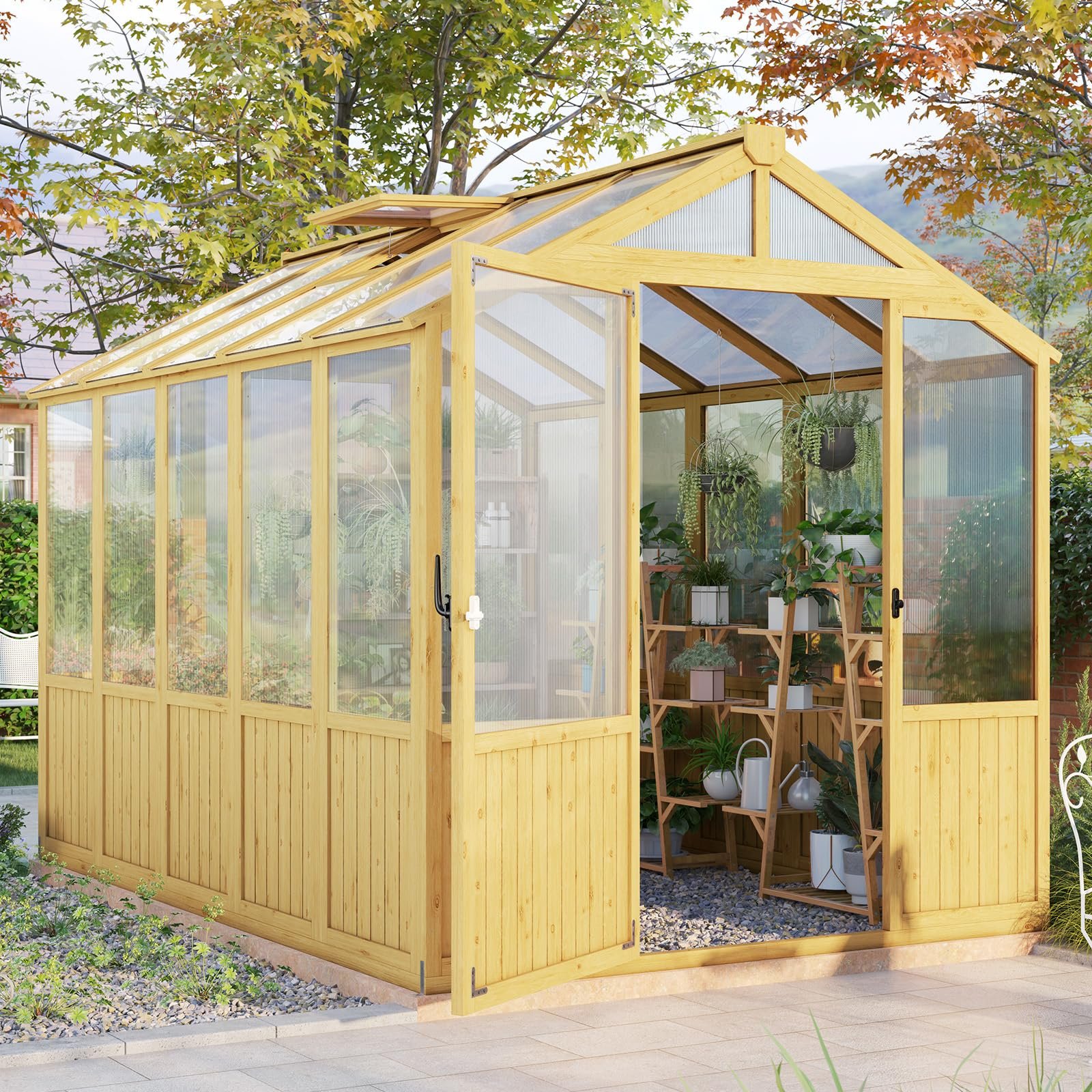
Jocisland 6x8 Ft Wooden Garden Greenhouse, Pre-Assembled Solid Cedar Frame, Walk-in
Pre-assembled solid cedar frame , significantly faster to set up than flat-pack
Buy on Amazon| Product | Price Range | Top Strength | Key Weakness | Buy |
|---|---|---|---|---|
| Arrow Select 10' x 8' Steel Storage Shed, Charcoal best overall | $$ | 80 sq ft of storage handles a full complement of lawn and garden equipment | Steel walls can condensate inside in humid climates , ventilation kit recommended | Buy on Amazon |
| Suncast 7x7 Heavy-Duty Sutton Resin Outdoor Storage Structure Shed also consider | $$ | Resin construction never needs painting, staining, or rot treatment | Floor not included , requires a prepared level base or deck frame | Buy on Amazon |
| Jocisland 6x8 Ft Wooden Garden Greenhouse, Pre-Assembled Solid Cedar Frame, Walk-in also consider | $$ | Pre-assembled solid cedar frame , significantly faster to set up than flat-pack | Smaller 6x8 footprint limits growing space | Buy on Amazon |
| Backyard Discovery Willow 9x6 Cedar Wood Walk-in Garden Greenhouse with Exhaust Fan & PowerPort also consider | $$$ | Built-in exhaust fan, PowerPort, hose hook-ups, and staging shelves | ~$1,800 price point is a significant investment | Buy on Amazon |
The term “shipping container garden shed” gets searched a lot by people who picture something industrial and weatherproof that will outlast every wooden structure on their property. Fair enough ambition. But most people searching that phrase end up buying one of three things: a steel-panel shed, a resin shed, or a cedar greenhouse with serious storage capability. The actual repurposed shipping container is a different project entirely, one that requires a crane, a permit, and a tolerance for spending that much,000 before you’ve put a single shovel on the shelf. This guide covers the practical alternatives: structures that deliver the durability, weather resistance, and low-maintenance qualities people are actually after when they type that search. If you’re also considering other structures for your property, the Greenhouses, Sheds & Gazebos hub is worth a browse before you commit to a category.
What to Look For
Material and Maintenance Trade-offs
Steel, resin, and cedar each make different promises, and each one keeps some of them. Steel sheds like the Arrow Select offer the closest analog to true container-grade durability. Electro-galvanized panels resist surface rust, the corners are reinforced, and there’s no rot risk. The trade-off is condensation. A steel structure in a humid summer will sweat on the inside, which means your tools are sitting in a damp environment unless you install a ventilation kit. That kit is usually and shouldn’t be optional. Resin sheds solve the condensation and rust problem and trade it for a rigidity question. Thin single-wall resin panels flex and crack under heavy snow load or hard impact. Double-wall construction, as in the Suncast Sutton line, is meaningfully stiffer. Still not steel, but not the flimsy plastic playhouse either. Cedar is the premium option and it earns the price in aesthetics and natural rot resistance. What it asks back is maintenance. Unstained or unsealed cedar weathers fast, especially through hard winters and wet springs. If you want cedar and don’t want to stain it every two to three years, budget that time or money in from the start.
Floor and Foundation
Every shed on this list requires a prepared, level base. Not one of them includes a floor in the base price. This catches people. The Arrow Select floor kit is sold separately and is worth adding to your budget. Resin sheds like the Suncast Sutton need a deck frame or poured concrete pad. Cedar greenhouses want a flat, level surface with good drainage. If your ground isn’t prepared before the structure arrives, you’re adding a weekend and potentially significant additional cost to the project. Plan for it. If you’re thinking about insulation as part of your shed setup, the insulated garden shed article covers what’s actually practical for a converted storage structure.
Size and Intended Use
The difference between 49 square feet and 80 square feet is not abstract when you’re maneuvering a lawn tractor. A 7x7 shed handles standard garden tools, a push mower, and a reasonable amount of shelving. An 8x10 shed handles all of that plus a zero-turn or a full set of power equipment with room to stand and work. Greenhouses are a different category: you’re optimizing for growing space and light, not floor area for equipment storage.
Assembly Reality
Manufacturers are optimistic about assembly times. The Arrow Select is described as manageable for one person but taking a full day is realistic. The Backyard Discovery Willow is a multi-day project. Cedar greenhouses with pre-assembled frames cut the timeline meaningfully. If you’re doing this alone on a weekend, the pre-assembled frame is worth paying for.
Top Picks
Best Steel Shed: Arrow Select 10’ x 8’ Steel Storage Shed, Charcoal
the Arrow Select is the most direct answer to what most people want from a “shipping container” style shed: metal construction, no rot, no termites, padlockable doors, and enough square footage to matter. The 80 square feet of interior space handles a full complement of lawn and garden equipment. Reinforced corners cut down on the wind racking that makes cheaper steel sheds feel like a liability in exposed locations. The condensation issue is real and worth taking seriously. If you’re storing anything that rusts, and you’re in a humid climate, add the ventilation kit. It’s not a complex install and the cost is negligible relative to the shed price. The floor kit is sold separately and runs. Factor that in. The listed product price does not include it and the omission isn’t obvious on the product page. (I realize that’s a specific complaint, but it’s the kind of thing that turns a purchase into a one without warning.) Compared to a Rubbermaid Large Vertical Storage Shed, which but tops out at 52 cubic feet of closed-off space, the Arrow Select wins on actual usable square footage for a working garden shed. It’s not a contest for serious storage.
Best Resin Shed: Suncast 7x7 Heavy-Duty Sutton Resin Storage Shed
The Suncast Sutton and makes a strong case on maintenance grounds. No painting. No staining. No rust prevention. No rot treatment. Double-wall panel construction puts it in a different category from the thin-wall resin sheds that split in the cold. The skylight panel is a small detail that pays dividends every time you’re digging through the back corner looking for something. At 49 square feet, the Sutton is a tool shed and lawn equipment shed, not a workshop. If you want to set up a potting bench and have room to move, it’s tight. For what it is, the sizing is honest and the construction quality holds up. The lockable hinged door is standard but functional. No padlock hardware included, which is a minor annoyance for a shed in this price range. Against the Arrow Select, the Suncast Sutton wins decisively on long-term maintenance effort. The steel will eventually need attention that the resin won’t. If you’re looking at a ten-year ownership horizon and don’t want to think about the shed again after it’s assembled, resin is the more defensible choice.
Best Entry-Level Cedar Greenhouse: Jocisland 6x8 Ft Wooden Greenhouse, Pre-Assembled Solid Cedar Frame
The Jocisland 6x8 currently and is the most accessible entry point in the cedar greenhouse category. The pre-assembled frame is the lead feature and it deserves emphasis. Most greenhouse kits in this range arrive as a pile of labeled components with assembly instructions that assume you have a helper, a flat weekend, and a high tolerance for ambiguity. The pre-assembled frame cuts the hardest part of that work significantly. At 6x8, the growing space is limited. Two rows of shelving with a center path is about the configuration you’re working with. For a first greenhouse or a dedicated propagation space, that’s workable. For a serious growing operation, it’s a staging point, not a destination. The lockable door and adjustable roof vents are included, which matters. A greenhouse without adequate ventilation in a warm spring will cook seedlings. The vent situation on entry-level kits is often an afterthought. Here it’s addressed at the factory level. Less feature-rich than the Backyard Discovery models, which is expected at this price. The honest comparison is: you’re paying for cedar construction and the pre-assembled frame convenience. The Jocisland delivers both.
Best Mid-Range Cedar Greenhouse: Backyard Discovery Willow 9x6 Cedar Wood Walk-in Greenhouse
At, the Backyard Discovery Willow is a serious purchase and a serious structure. The differentiators over basic kits are the built-in exhaust fan, the PowerPort (a grounded outdoor electrical outlet integrated into the frame), hose hook-ups, and staging shelves. These aren’t accessories you’ll go back and add later. They’re built in, positioned properly, and part of a structure designed for year-round use. Backyard Discovery builds outdoor wood structures at scale and their quality control is consistent. Cedar and polycarbonate construction handles freeze-thaw cycles better than aluminum and single-layer poly film alternatives. Assembly is a multi-day project. This is not a weekend solo build for most people. If you’re hiring it out, Budget accordingly, depending on your area. That puts the all-in cost,400 before foundation work. Against the Jocisland, the Willow is a different category of product. More space (9x6 vs 6x8), integrated electrical, built-in ventilation, professional-grade feature set. The price gap is significant. If you’re growing seriously or need a structure that functions as a four-season growing space, the Willow justifies it. If you’re starting out or need something primarily for spring propagation, the Jocisland is the smarter entry point.
How to Choose
Start with what you’re actually storing or growing, not with what you think the shed should look like. If your primary need is weather-resistant storage for lawn and garden equipment and you want the lowest ongoing maintenance burden, the Suncast Sutton is the honest pick. No painting, no rust, adequate size for most residential gardens. The Arrow Select is the right answer if you need more floor space and are willing to manage condensation. If you’re moving into greenhouse territory, the decision is experience level and how seriously you’re growing. The Jocisland 6x8 gets a first-time greenhouse grower up and running at a reasonable cost with meaningful assembly convenience. The Backyard Discovery Willow is for people who’ve outgrown that or who are building a proper growing setup from the start. On siting: all four structures need a level, prepared surface. Cedar structures especially benefit from good drainage around the base. If you’re on a slope or dealing with standing water, sort the drainage before the structure goes in. Freeze-thaw ground movement will shift a foundation that isn’t prepared correctly, and a shifted foundation means doors that won’t close and panels that rack. For the steel shed specifically: if you’re in a location with significant wind exposure, look at the anchor kit. The Arrow Select’s reinforced corners help, but an unanchored shed on a flat, open property in a serious windstorm is a different conversation entirely. The anchor hardware is and takes an hour to install. One more consideration before you finalize anything: local permit requirements vary. A structure over a certain footprint (often 100 to 120 square feet, though it varies by municipality) may require a permit. Check with your town or county building department before ordering. Returning a 10x8 steel shed is not a simple process. For more on permanent outdoor structure decisions across shed, greenhouse, and gazebo categories, the sheds, greenhouses, and outdoor structures section of this site covers the broader landscape. A note if you’re looking at flat-roof configurations specifically: the flat roof garden shed article covers the trade-offs on that roof style in detail, particularly for snow load management.
Frequently Asked Questions
Can I use a shipping container shed on a residential property?
In many municipalities, yes, but with restrictions. Repurposed shipping containers used as outbuildings typically require a permit, must meet setback requirements, and in some areas are prohibited by HOA rules or local zoning codes. The structures covered in this guide (steel, resin, and cedar sheds) are treated as standard outbuildings and face fewer regulatory hurdles, though permits may still be required above certain square footages.
Do any of these sheds include a floor?
None of the four products covered here include a floor in the base purchase price. The Arrow Select floor kit is sold separately. The Suncast Sutton and both cedar greenhouse options require a prepared level base, deck frame, or concrete pad. Budget for this before ordering.
How well do steel sheds handle snow load?
The Arrow Select is rated for reasonable snow load, but the manufacturer specifications are the authoritative source for your specific roof pitch and panel configuration. In areas with heavy snowfall, clear the roof after significant accumulation rather than relying on the structure’s maximum rated load. Resin and cedar structures have their own rated limits and the same advice applies.
Is the Backyard Discovery Willow actually a four-season greenhouse?
The cedar frame and twin-wall polycarbonate panels make it more capable than three-season structures, and the built-in exhaust fan and PowerPort support active climate management. That said, it is not an insulated greenhouse. In very cold climates, supplemental heating is needed to maintain above-freezing temperatures through winter. The structure itself will hold up to cold weather. The interior temperature without supplemental heat will track closely to outside temperatures in deep winter.
What’s the actual difference between single-wall and double-wall resin construction?
Single-wall resin panels are one flat layer of plastic. They flex, crack in cold weather, and dent under impact. Double-wall panels have two layers with air space between them, which adds rigidity and a small amount of insulation value. For a shed that’s holding any kind of weight on shelves, or sitting in a climate with hard winters, double-wall construction is the minimum worth considering. The Suncast Sutton uses double-wall panels. Cheaper resin sheds typically do not.
Frequently Asked Questions
Can I use an actual shipping container as a garden shed?
Yes, but it requires significant modification — cutting window and door openings, adding ventilation, and potentially insulating the interior, which adds cost and complexity. A prefab steel panel shed or a purpose-built container-style shed is usually more practical and cost-effective for most garden storage needs.
Do shipping container sheds or steel sheds require a permit?
Most municipalities require a building permit for permanent structures above a certain square footage (often 100–200 sq ft) and may have setback requirements from property lines. Always check with your local zoning office before purchasing or installing any shed.
How do I prevent condensation inside a metal garden shed?
Steel sheds are prone to condensation in humid climates because metal surfaces cool rapidly overnight. Installing roof vents, a turbine vent, or a shed ventilation kit — and adding a vapor barrier on the floor — significantly reduces moisture buildup and prevents rust on stored tools.
What size garden shed do I need for lawn and garden equipment?
A 10x8 shed (80 sq ft) comfortably stores a riding mower, several push tools, and shelving for supplies. If you also store a wheelbarrow, pots, and fertilizer bags, consider a 10x12 or larger; running a list of everything you need to store before buying will prevent costly undersizing.
Is a resin shed better than a steel shed for outdoor use?
Resin sheds do not rust or dent and require no painting, making them very low maintenance. Steel sheds are typically stronger, less expensive, and better at resisting high wind loads, but need ventilation to prevent condensation. In high-humidity or coastal climates, resin has a durability edge; in windy inland areas, steel is generally the better choice.
Where to Buy
Arrow Select 10' x 8' Steel Storage Shed, CharcoalSee Arrow Select 10' x 8' Steel Storage S… on Amazon