Bird Feeders for Finches: A Buyer's Guide

Affiliate disclosure: Some links on this page are affiliate links. If you buy through them we earn a small commission at no extra cost to you. Recommendations are research-driven; we don't claim personal use of every product reviewed. Product prices and availability are accurate as of the date published and are subject to change. Always check Amazon for current pricing before purchasing. Learn more.
Quick Picks
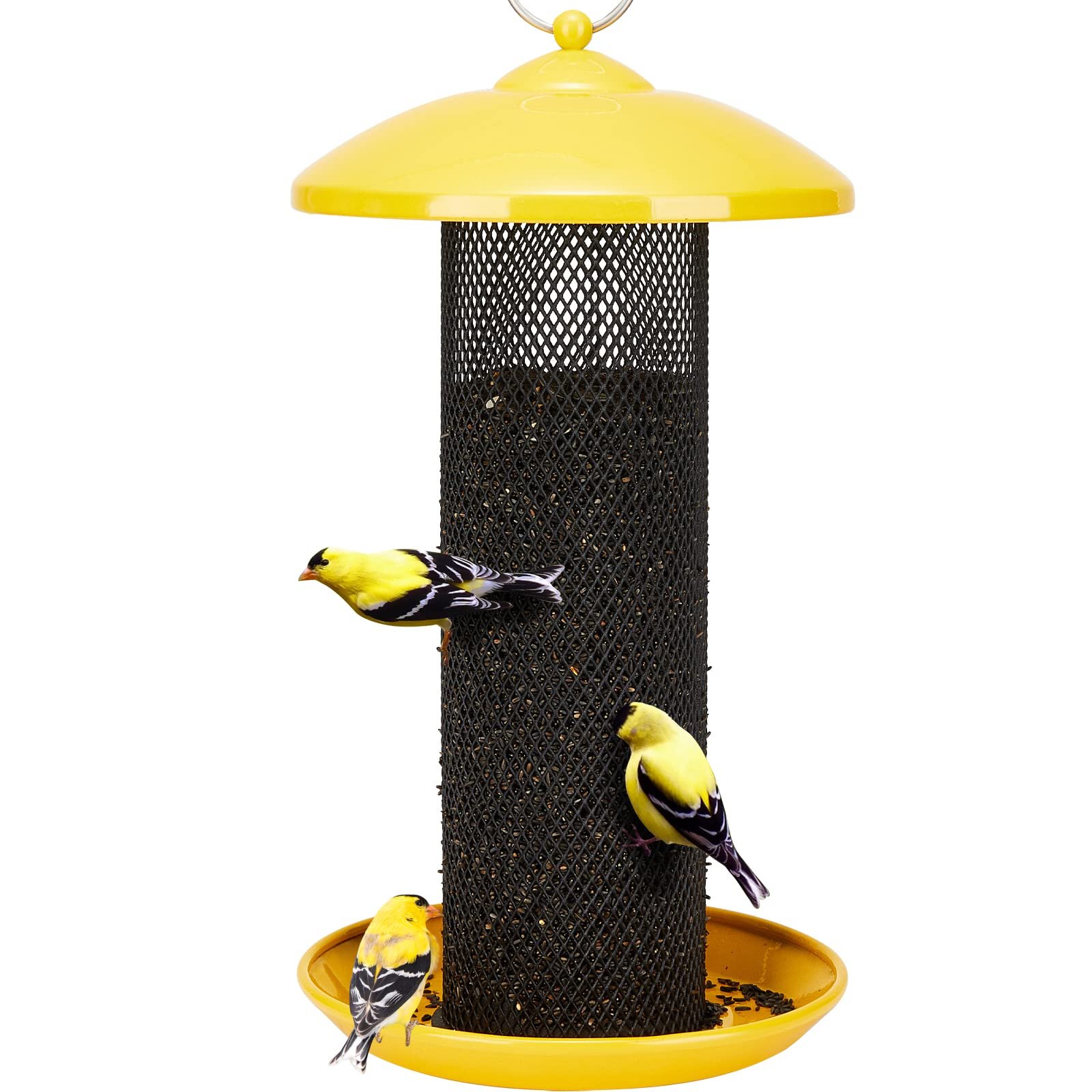
Kingsyard Finch Feeder for Outdoors Hanging, Metal Mesh Tube Bird Feeder for Nyjer/Thistle Seed
Fine mesh lets finches cling anywhere on the feeder surface
Buy on Amazon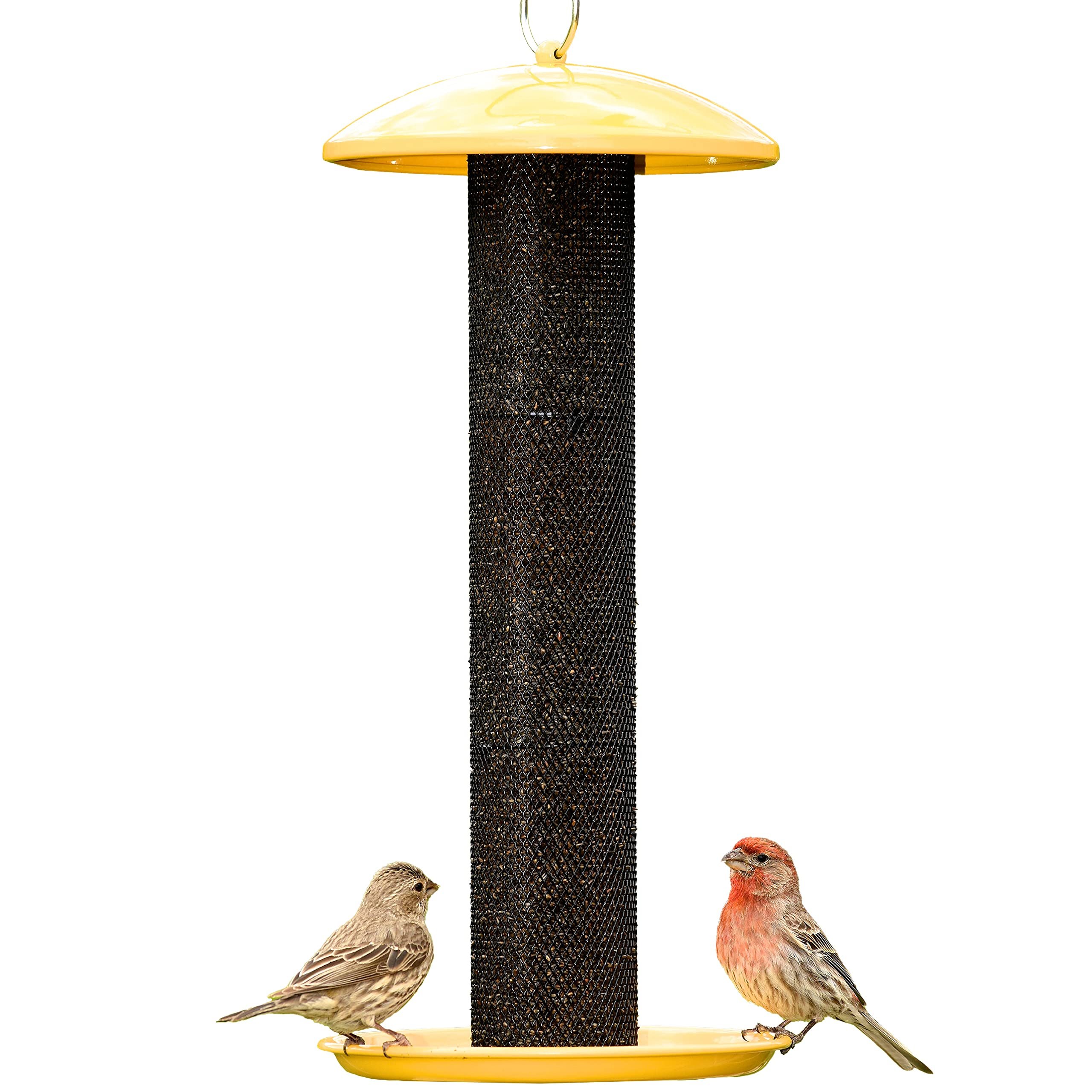
Perky-Pet Straight-Sided Thistle Seed Wire Mesh Tube Finch Feeder
Tall column design accommodates multiple finches at once
Buy on Amazon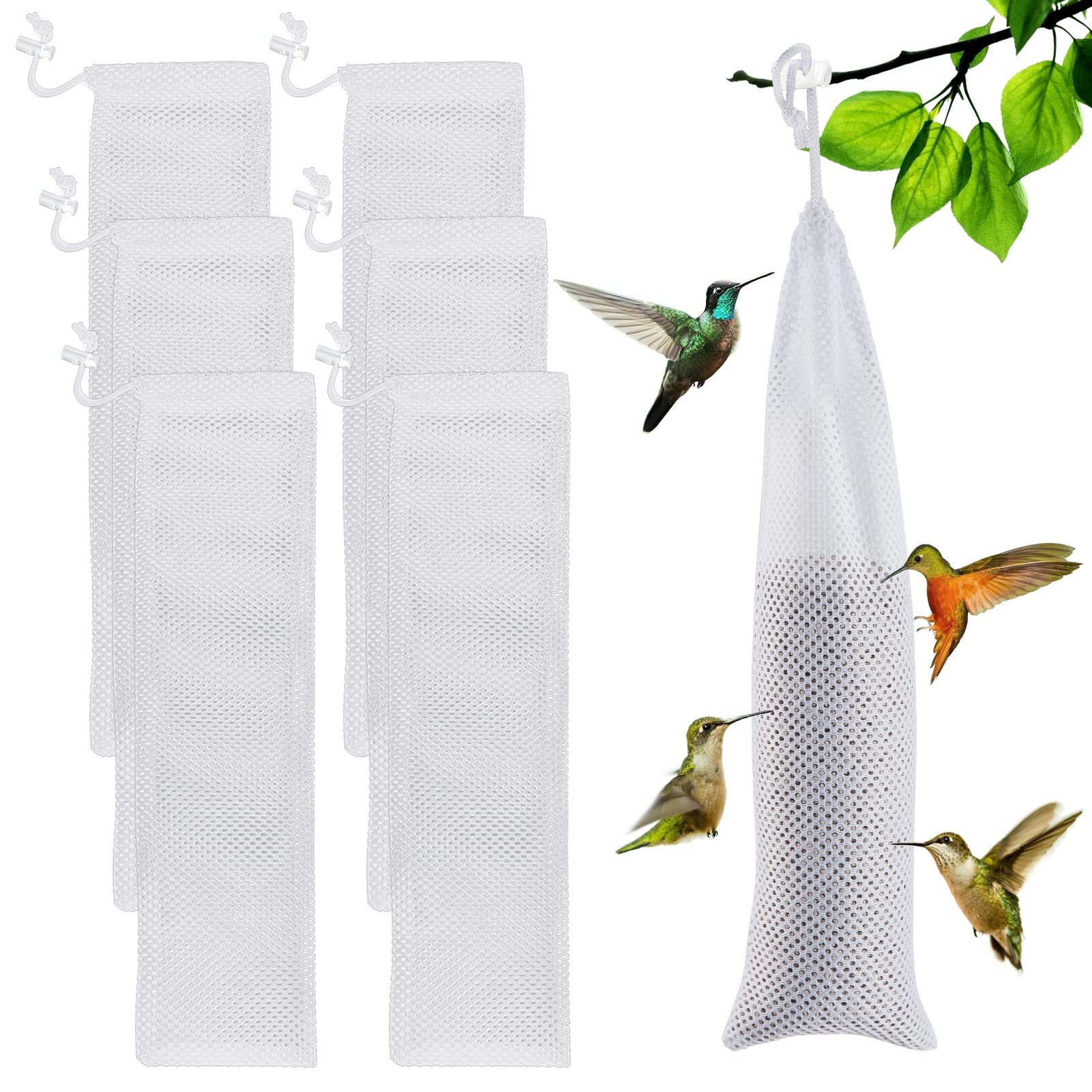
MEWTOGO 6-Pack Finch Sock Feeder with Food-Grade Funnels
Most economical option , 6 socks for ~$10
Buy on Amazon| Product | Price Range | Top Strength | Key Weakness | Buy |
|---|---|---|---|---|
| Kingsyard Finch Feeder for Outdoors Hanging, Metal Mesh Tube Bird Feeder for Nyjer/Thistle Seed best overall | $ | Fine mesh lets finches cling anywhere on the feeder surface | Mesh can clog in wet weather if not cleaned regularly | Buy on Amazon |
| Perky-Pet Straight-Sided Thistle Seed Wire Mesh Tube Finch Feeder also consider | $$ | Tall column design accommodates multiple finches at once | Higher price than mesh sock alternatives | Buy on Amazon |
| MEWTOGO 6-Pack Finch Sock Feeder with Food-Grade Funnels also consider | $ | Most economical option , 6 socks for ~$10 | Disposable-style , not as durable as metal feeders | Buy on Amazon |
| Idzo 18 Inch Railing Hook, Deck Hook for Bird Feeder Pole, 3-Layer Powder-Coated Steel, 2-Pack also consider | $ | Amazon's Choice , 850+ reviews at 4.6 stars | Clamp suits rails up to ~3 inches thick only | Buy on Amazon |
Goldfinches will show up whether you make it easy for them or not. But the right feeder means a dozen birds working the mesh at once instead of two taking turns at a port. If you’ve spent any time watching finches feed, you know they don’t operate like chickadees or nuthatches. They cling, rotate, hang upside down if they feel like it, and mob a food source when conditions are right. The feeder either accommodates that behavior or it doesn’t. This guide covers the feeders I’d actually recommend for nyjer and thistle seed, plus one hanging solution for deck setups where drilling isn’t an option. If you’re building out a broader feeding station, the Bird Feeders & Baths hub has the full range. Here, I’m focused specifically on finches.
What to Look For in a Finch Feeder
Mesh vs. Ports vs. Socks
The format of the feeder matters more than most buyers realize before they’ve owned one. Port feeders (the classic tube with discrete feeding holes and plastic perches) work fine, but they limit where a finch can land. On a busy feeder, that means queuing. Mesh feeders solve this by turning the entire surface into a feeding zone. Goldfinches in particular feed comfortably upside down, which mesh accommodates without any engineering. Sock feeders use the same principle with soft fabric mesh, and finches take to them immediately, though the fabric degrades faster than metal and can mildew if you’re not diligent about taking them down between rains. For nyjer seed specifically, fine mesh is better than coarse. Nyjer is small enough to fall through gaps that are sized for sunflower chips.
Capacity and Refill Frequency
Most tube and mesh feeders in the 10-15 inch range hold somewhere between 1.5 and 2.5 lbs of nyjer. At peak season with a flock of American goldfinches working a feeder, that’s a 3-4 day supply, not a weekly one. If you travel or just don’t want to be refilling every few days, look for a feeder in the 3+ lb range or plan to run multiple feeders simultaneously. Sock feeders solve this differently: at for six, you can keep several filled and rotate them.
Weather Protection
Nyjer seed has a high oil content and goes rancid faster than most people expect if it gets wet and sits. A rain-shield roof matters. So does a seed tray at the bottom to catch spillage before it composts into a clump. If you’re in an area with wet springs or prolonged damp periods, metal construction is more forgiving than fabric.
Hang Point and Placement
Most finch feeders come with a simple wire loop for hanging. That’s fine if you have a shephard’s hook in the ground, but deck setups are trickier. If you’re hanging from a railing and don’t want to drill, a railing hook becomes part of the purchase. I’d factor that in when you’re pricing out options.
Top Picks
Best Overall: Kingsyard Finch Feeder for Outdoors Hanging
The Kingsyard Finch Feeder for Outdoors Hanging, Metal Mesh Tube Bird Feeder for Nyjer/Thistle Seed is the one I’d tell most people to buy. It does the thing that matters most for finches: the entire cylinder is feedable surface. Goldfinches don’t need to find a perch. They land wherever they want and feed in whatever orientation they prefer. On a good morning in late summer, you’ll have birds overlapping on the mesh. The yellow rain-shield roof and the seed tray at the bottom are both functional rather than decorative. The roof keeps water from pooling in the seed column, and the tray catches enough fallout that you’re not broadcasting nyjer all over the ground below (which matters if you care about what’s germinating under your feeders). Capacity is 2.5 lbs, which is not large. You will be refilling it more than once a week at peak season. That’s the honest answer. The mesh can clog in wet weather if you don’t clean it. Nyjer compacts in damp conditions and the fine mesh traps it. Cleaning is straightforward: the top and bottom both detach, and you can rinse the cylinder under a hose. Do this every week or two and you won’t have problems. Over 2,000 reviews at 4.5 stars. That’s a real signal at this price point.
Brand-Name Reliability Pick: Perky-Pet Straight-Sided Thistle Seed Wire Mesh Tube Finch Feeder
I’ve been buying Perky-Pet products since before most of the newer brands existed. The Perky-Pet Straight-Sided Thistle Seed Wire Mesh Tube Finch Feeder is a solid feeder, well-made, with the consistent quality control you expect from a company that’s been manufacturing bird feeders for decades. The tall column design is the main functional advantage over the Kingsyard. More vertical surface means more birds can feed simultaneously without competing for position, which matters if you’re trying to attract a flock rather than a pair. If you’ve ever stood at a kitchen window watching four goldfinches chase each other off a too-small feeder, that’s the problem this solves. The straight-sided profile is honest and unfussy. Not the most visually interesting feeder on the market, though I’m not sure that should be high on the priority list. Over 3,500 reviews with a strong track record. For buyers who want an established name and a feeder that’s likely to be replaceable through the same brand for years, this is the right call.
Budget and Volume Pick: MEWTOGO 6-Pack Finch Sock Feeder with Food-Grade Funnels
Six feeders for. The MEWTOGO 6-Pack Finch Sock Feeder with Food-Grade Funnels is not a feeder you’ll have for ten years, but that’s not really the point. Sock feeders work well for finches because the soft mesh lets them cling in any position, and finches take to them quickly. The food-grade funnels are a practical addition: they make refilling less of a mess than trying to pour nyjer into a flapping fabric tube. If you want to attract a large number of birds fast, spreading six feeders across a yard or garden area at different heights and locations is a more effective strategy than one premium feeder in a single spot. The limitations are real. Fabric mildews. In damp conditions, a sock feeder that’s left out through several days of rain is going to need to come down, dry out, and potentially be replaced. At this price, replacement isn’t the crisis it would be with a feeder. Amazon’s Overall Pick badge, 1,000+ reviews. For anyone who wants to experiment with finch feeding without a significant investment, this is where I’d start.
Deck Hanging Solution: Idzo 18 Inch Railing Hook, Deck Hook for Bird Feeder Pole
This isn’t a feeder, but it belongs in this guide because half the people asking about finch feeders are trying to hang one from a deck railing and don’t want to drill into the wood. The Idzo 18 Inch Railing Hook, Deck Hook for Bird Feeder Pole, 3-Layer Powder-Coated Steel, 2-Pack is reasonably priced for the pair, given you’re getting two hooks with 360-degree rotation. The rotation matters more than it sounds: being able to swing the feeder inward when you want to refill it, without unclamping the whole bracket, is the difference between a system that’s easy to maintain and one you start neglecting in October. The clamp accommodates rails up to about 3 inches thick. Thicker than that and this won’t fit, so measure before you order. The screw tightening requires a tool (not included), which is a minor annoyance. The 2-pack means you can hang a feeder on one hook and a planter or second feeder on the other, which is useful if you’re also running something like a bird feeder for mealworms off the same railing setup. 850+ reviews at 4.6 stars. Amazon’s Choice status. It’s a well-regarded product that does exactly what it says.
How to Choose
If you want one feeder that works well and you don’t want to think about it
Buy the Kingsyard. It’s the right price, the mesh design suits finch feeding behavior, and the cleanup is manageable. The 2.5 lb capacity is the only real friction point, and if you’re willing to refill twice a week at peak season, it’s not a problem.
If you’re buying for a large open garden and want to accommodate a full flock
The Perky-Pet’s taller profile gives you more simultaneous feeding positions. the price premium over the Kingsyard is modest for what you get in vertical capacity. I’d also consider running both feeders in different locations rather than one large one in a single spot, though that’s a matter of preference and yard layout.
If you’re new to feeding finches and want to test whether they’ll come to your yard
Start with the MEWTOGO 6-pack. Spend the put a few socks out in different locations, and see what shows up. If you get regular finch traffic within a few weeks (and you likely will if there’s habitat nearby), you can invest in a permanent metal feeder with confidence. There’s also a useful rundown on attracting birds to deck setups over at the bird feeder for deck guide if your setup is railing-specific.
If you’re hanging from a deck railing
Add the Idzo hooks to your order. Don’t try to improvise a hanging solution. A feeder that’s awkward to refill gets refilled less often, and birds notice when a food source becomes unreliable. One note on placement generally: finches are less skittish than some species, but they prefer feeders that have some nearby cover to retreat to. Within 10-15 feet of a shrub or tree line is better than fully open. If squirrels are also a concern at your property, that’s a separate problem requiring a separate solution, and a good starting point is the full wildlife and bird feeding section which covers baffles and pole systems.
Frequently Asked Questions
What seed should I use in a finch feeder?
Nyjer seed (also called thistle seed, though it’s not botanically related to garden thistle) is the standard choice for goldfinches and other finch species. It’s small, high in oil content, and finches prefer it strongly over most other seeds. Niger seed is fine in both mesh tube feeders and sock feeders. For the mesh designs like the Kingsyard or Perky-Pet, make sure the mesh is fine enough to hold nyjer: coarser mesh will let it fall through. Sunflower chips are a secondary option if you want to attract a broader range of birds to the same feeder, but nyjer is more specifically attractive to goldfinches.
How long does it take for finches to find a new feeder?
Anywhere from a few days to a few weeks, depending on local bird activity, the time of year, and how visible the feeder is. Yellow feeders or feeders with yellow accents (like the Kingsyard’s rain shield) are thought to attract goldfinches more readily, since the birds associate the color with food sources. Placing the feeder in a visible location with some nearby perching cover tends to speed things up. If nothing comes in the first two weeks, try moving the feeder rather than assuming birds aren’t present.
Can I use a finch feeder for other birds?
Nyjer seed is selective by design. Most other common feeder birds don’t find it appealing, which makes nyjer feeders reasonably goldfinch-specific. House finches and purple finches will also use them. Sparrows will occasionally try, but the fine mesh and seed size work against them. If you want to attract a broader range of species, a bird feeder for peanuts or a general-purpose platform feeder would serve better as a second station.
How often should I clean a finch feeder?
Every one to two weeks during active feeding season, and more frequently in wet weather. Nyjer seed compacts when damp and can develop mold, which birds will avoid and which can make them sick. For mesh tube feeders like the Kingsyard or Perky-Pet, detach the top and base, rinse the cylinder with a mild dish soap solution, and let it dry completely before refilling. Sock feeders are harder to clean and are generally best replaced when they get visibly dirty or after prolonged wet weather.
Do finch feeders need to be a specific height off the ground?
Not precisely, but somewhere between 4 and 6 feet is practical for most setups. Too low and the feeder becomes accessible to ground predators and is more likely to be disturbed by foot traffic. Too high and refilling becomes awkward enough that it happens less often. Finches are comfortable feeding at most heights, so this is more about your convenience and site logistics than bird preference. On a deck railing, the Idzo hooks position the feeder comfortably at railing height, which is typically in the right range.
Frequently Asked Questions
What type of feeder is best for goldfinches and finches?
Mesh feeders are best for finches — the entire surface becomes a feeding zone, allowing birds to cling anywhere including upside down, which goldfinches prefer. Port-style tube feeders work but create queuing because birds can only land at discrete perch points. Sock feeders also work well but degrade faster than metal mesh.
What seed do finch feeders use, and does it matter?
Nyjer (also called thistle) seed is the primary draw for goldfinches, house finches, and purple finches. It requires fine mesh or small port openings — standard tube feeder ports are too large and the seed falls through. Finely milled sunflower chips are a secondary option that finches accept and that works in more feeder types.
Why won't finches use my new finch feeder?
New feeders can take days to weeks for finches to discover and trust, especially if the location is new or if the birds are not yet present in your area. Goldfinches are more seasonally variable than year-round species — peak activity is spring and fall migration. Keep the seed fresh (nyjer goes stale and is rejected if old) and be patient.
How often should I clean a finch feeder and refill nyjer seed?
Clean mesh and tube finch feeders every 2–4 weeks — wet or clumped nyjer inside the feeder will mold and the birds will stop using it. Nyjer seed has a shorter shelf life than sunflower and should be replaced if it's been in the feeder more than 3–4 weeks in warm weather, even if not visibly moldy.
Can I hang a finch feeder from a deck railing without a permanent mount?
Yes — a railing clamp hook like the IDZO two-pack attaches to most standard deck railings without drilling and extends outward to provide a hanging point. A two-pack lets you hang a finch feeder alongside a second feeder or plant hook for a complete deck feeding station setup.
Where to Buy
Kingsyard Finch Feeder for Outdoors Hanging, Metal Mesh Tube Bird Feeder for Nyjer/Thistle SeedSee Kingsyard Finch Feeder for Outdoors H… on Amazon