Worm Castings vs Compost: Which Suits Your Garden

Affiliate disclosure: Some links on this page are affiliate links. If you buy through them we earn a small commission at no extra cost to you. Recommendations are research-driven; we don't claim personal use of every product reviewed. Product prices and availability are accurate as of the date published and are subject to change. Always check Amazon for current pricing before purchasing. Learn more.
 Nature's Footprint Worm Factory 360 Black Vermicomposting System, 4-Tray Buy on Amazon
  FCMP Outdoor FCMP Outdoor IM4000 Dual Chamber Tumbling Composter, 37 Gallon Buy on Amazon
 Both of these products will improve your soil. That’s about where the easy comparison ends. The Worm Factory 360 Black Vermicomposting System, 4-Tray and the FCMP Outdoor IM4000 Dual Chamber Tumbling Composter, 37 Gallon are solving different problems for different gardeners, and picking the wrong one means you’ll either have a plastic drum sitting half-full in your yard or a worm bin that freezes solid in November. The worm castings vs compost question sounds like a chemistry debate, but in practice it’s a space, temperature, and volume question. Here’s how to figure out which one is actually right for your situation.
If you’re building out your composting practice more broadly, the Composting hub has deeper coverage on inputs, methods, and timing.
At-a-Glance
The Worm Factory 360 is an indoor vermicomposting system. Four stackable trays, made in the USA by Nature’s Footprint. Worms are not included. It produces two things: worm castings (a dense, slow-release fertilizer) and liquid worm tea collected in a base tray, which you dilute and apply directly to plants. The modular design supports up to eight trays as your worm population grows.
The FCMP IM4000 is an outdoor tumbling composter. Thirty-seven gallons split across two separate chambers, elevated on a frame so a wheelbarrow fits underneath. Made in Canada from 100% post-consumer recycled plastic, BPA-free It’s the most-reviewed tumbling composter on Amazon by a significant margin, which tells you something about the install base even if it doesn’t tell you whether it’s good. Compost can be ready in four to six weeks with proper management, compared to six to twelve months for a standard open bin.
Neither product is a clear winner on paper. The question is which one fits your setup.
Why Choose the Worm Factory 360
If you’re composting kitchen scraps in an apartment, a condo, or a house with no outdoor space to speak of, the Worm Factory 360 is the answer. It’s designed to live inside, it doesn’t smell when managed correctly, and it processes food waste continuously without requiring outdoor temperature or a yard.
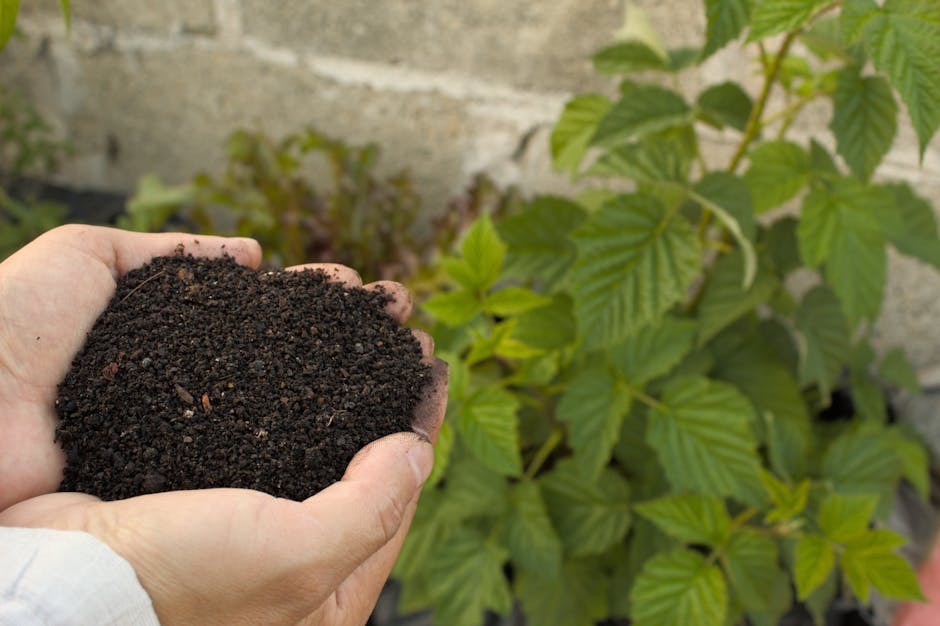
The dual-output system is worth taking seriously. Worm castings are among the most bioavailable fertilizers you can produce at home. Unlike raw compost, which still needs to break down further in the soil, castings are immediately accessible to plant roots. The liquid worm tea collected in the base tray is particularly useful for container gardening and potted plants. A tablespoon or two diluted in water and applied weekly makes a real difference to plants that can’t draw on surrounding soil biology.
The tray system is well-designed for the underlying biology. Worms migrate upward toward fresh food, so you add a new tray on top when the current one fills, and harvest the bottom tray once the worms have moved on. It takes a few weeks to get the rhythm, but it works. The included instruction manual is detailed enough that you don’t need to read four other guides before starting.
The expansion to eight trays is useful if your household generates a lot of kitchen waste. Four trays handles the scraps from roughly one to two people comfortably. Larger households will want to add trays or manage expectations about throughput.
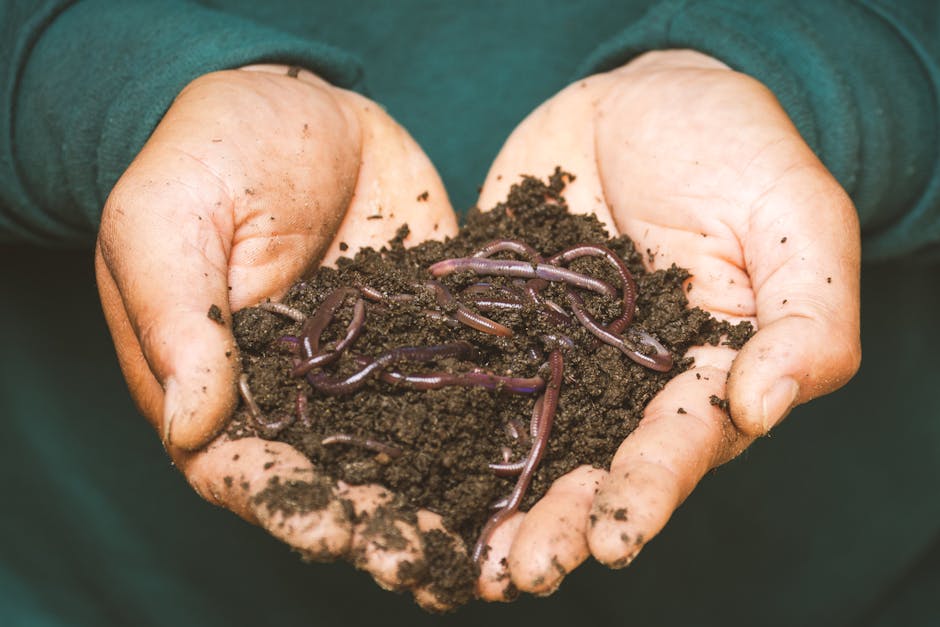
The limitation worth stating plainly. Red wiggler worms must be purchased separately. A pound of red wigglers from Uncle Jim’s Worm Farm and is enough to seed a four-tray system. Budget for this when you’re pricing the full setup. The total starting cost is higher than the bin alone.
The other real constraint is temperature. Red wigglers need to stay between roughly 40 and 80 degrees Fahrenheit. An unheated garage in a hard winter will kill them. Bringing the bin inside during cold months isn’t negotiable if you’re in a climate with sustained freezes. For an apartment dweller, this is a non-issue. For someone planning to run this in an outbuilding, it’s a problem.
The Worm Factory 360 doesn’t replace a full compost system for large-property gardening. It doesn’t process yard waste, woody material, or bulk volume. What it does, it does well: kitchen scraps in, castings and tea out, indoors, year-round.
Why Choose the FCMP IM4000
The FCMP IM4000 is what you want if you’re composting outdoors with a meaningful volume of material and you’re tired of the six-to-twelve-month wait that comes with an open bin or pile.
The dual-chamber design is the main practical advantage over single-chamber tumblers like the older Lifetime 60309 or basic drum composters. One side fills while the other cures. You’re not interrupting an active decomposition batch every time you add kitchen scraps. Fill chamber one over several weeks, then seal it and start adding to chamber two. Chamber one continues breaking down undisturbed, and you pull finished compost from it when it’s ready. It’s a continuous system, which matters if you’re generating scraps daily.
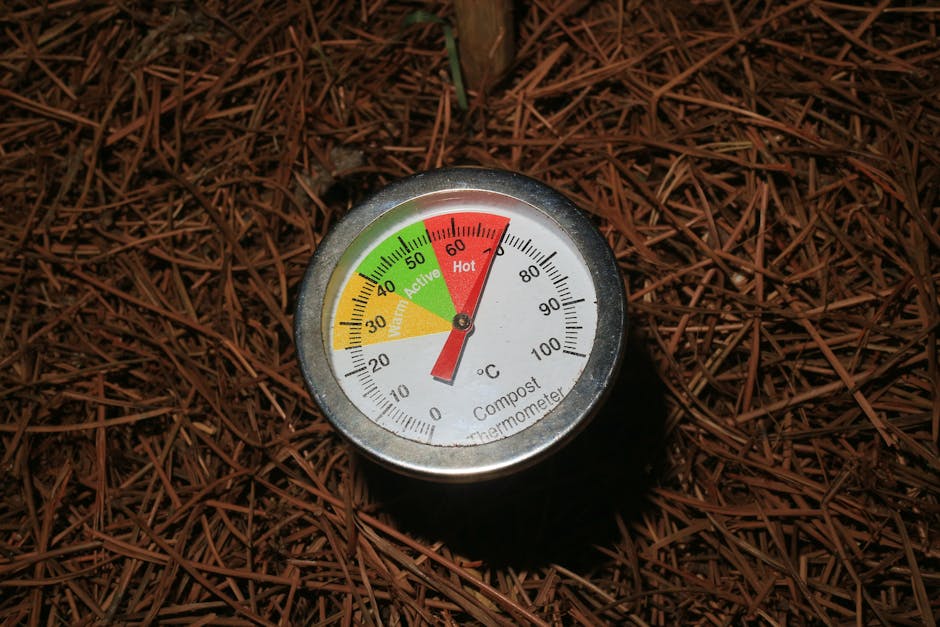
The four-to-six-week breakdown time assumes you’re managing the bin correctly: turning it every couple of days, maintaining a reasonable carbon-to-nitrogen ratio, and not overloading it with wet kitchen waste alone. If you treat it like a trash can, it’ll behave like one. But if you’re putting in shredded cardboard alongside coffee grounds and food scraps, the timeline is realistic. (I’ve seen worse promises from systems that cost three times as much.)
The elevated frame solves an annoyance that sounds minor until you’ve crouched on wet ground with a shovel trying to scoop finished compost into a bucket. Rolling a wheelbarrow directly under the discharge door is genuinely convenient, especially when you’re moving compost in volume. For anyone managing a garden bed larger than 200 square feet, this matters.
At 37 gallons total, you get roughly 18 to 19 gallons per chamber. For a single-person household or a couple with modest kitchen and garden waste, that’s workable. For a household of four generating significant kitchen scraps plus yard debris, the bin fills faster than expected. The capacity complaint shows up repeatedly in user reviews, and it’s accurate. You may find yourself running two IM4000 units side by side, which brings the cost to and is probably worth it over buying a single large-capacity unit.
The UV cracking concern is real but manageable. The plastic holds up well in shaded or partly shaded locations. Direct sun exposure in hot climates accelerates degradation over several years. Place it where it gets morning sun and afternoon shade if you have options.
The FCMP IM4000 doesn’t produce worm tea, it doesn’t work indoors, and it doesn’t process kitchen scraps as quietly or as odor-free as vermicomposting. What it does is turn a meaningful volume of mixed organic waste into usable compost on a timeline that’s actually compatible with a gardening season.

Verdict
Buy the Worm Factory 360 if your composting is primarily about kitchen scraps, you’re working with limited outdoor space or no outdoor space, or you want a supply of worm tea for container plants and raised beds. Factor in the cost of worms and your realistic all-in price is. If you’re in an apartment or have a small urban lot, this is the better tool.
Buy the FCMP IM4000 if you’re composting outdoors with a mix of kitchen and yard waste, you want finished compost on a seasonal timeline rather than waiting through a full year, and you have a spot in your yard that gets reasonable sun. The dual-chamber design is a genuine improvement over single-chamber tumblers, and the elevated frame is more useful than it sounds on paper.
If you’re running a larger property and need volume, the FCMP IM4000 is closer to what you need, though you may end up buying two. The Worm Factory 360 makes a strong case as a supplemental system even then, producing castings and liquid fertilizer that a tumbler can’t match.
For a broader look at composting methods, inputs, and how these approaches fit into a full composting practice, see our Composting coverage.
,
Frequently Asked Questions
Are worm castings actually better than compost?
For direct plant feeding, yes, in most cases. Worm castings are more concentrated and more immediately bioavailable than standard finished compost. Compost builds soil structure and long-term fertility over a wider volume. Most serious gardeners use both: compost for bed prep and mulching, castings for transplants, containers, and targeted feeding.
Do I need to buy worms separately for the Worm Factory 360?
Yes. The bin ships without worms. Red wigglers (Eisenia fetida) are what you want, not standard earthworms. Uncle Jim’s Worm Farm is a reliable source. A one-pound starter package and is sufficient for a four-tray setup. Budget for this upfront.
How often do I need to turn the FCMP IM4000?
Every two to three days is the standard recommendation for the four-to-six-week breakdown timeline. Spinning it takes about thirty seconds. If you fall behind and only turn it weekly, decomposition slows noticeably and the timeline stretches toward eight to ten weeks. The system still works, just more slowly.
Can the Worm Factory 360 be kept in a garage during winter?
Only if the garage stays above 40 degrees Fahrenheit consistently. An unheated attached garage in a mild winter might work. An unheated detached garage in a hard-freeze climate will not. Red wigglers die in sustained cold. If you can’t guarantee 40 degrees, the bin needs to come inside.
Is 37 gallons enough capacity in the FCMP IM4000?
For one or two people composting primarily kitchen scraps with moderate yard waste, yes. For a household of three or more, or for anyone composting significant garden debris alongside kitchen waste, the bin fills faster than expected. Two units running side by side is a common solution and keeps the total cost entry-level at current pricing.
Frequently Asked Questions
Are worm castings better than compost for vegetable gardens?
Worm castings are more nutrient-dense per volume than conventional compost and are immediately plant-available without further breakdown. They're especially valuable for seed starting and container plants where small quantities of concentrated fertilizer matter. Conventional compost delivers higher bulk volume of organic matter at lower cost per pound, making it better suited for amending large garden beds.
Can worm castings burn plant roots if over-applied?
No — worm castings are one of the few soil amendments that cannot burn roots regardless of application rate, unlike synthetic fertilizers or concentrated manures. This makes them safe to apply directly in planting holes, mix into seed-starting media, or use as a top dressing without risk of damaging seedlings.
How long does a tumbling composter take to produce finished compost?
A well-managed tumbling composter like the FCMP IM4000 can produce finished compost in four to six weeks if you maintain the right carbon-to-nitrogen ratio, adequate moisture, and turn the drum every two to three days. Neglected or unbalanced bins take significantly longer — sometimes three to four months — approaching the timeline of a traditional open compost pile.
Can I use both a worm bin and a tumbling composter together?
Yes — they complement each other well. The tumbling composter handles large volumes of kitchen scraps, yard waste, and carbon materials that would overwhelm a worm bin. The worm bin converts the most nutrient-rich scraps (coffee grounds, vegetable peels) into high-potency castings. Many experienced composters run both systems simultaneously.
What is worm tea and how is it different from worm castings?
Worm tea (also called leachate) is the liquid that drains through a worm bin and collects in the base tray. It is diluted and applied directly to plant soil as a liquid fertilizer. Worm castings are the solid byproduct — darker, denser, and more concentrated than the liquid. Both are valuable, but castings are more shelf-stable and easier to apply precisely.
Where to Buy
Nature's Footprint Worm Factory 360 Black Vermicomposting System, 4-TraySee Worm Factory 360 Black Vermicompostin… on Amazon