Wooden Raised Beds Garden Kits: 5 Top Picks

Affiliate disclosure: Some links on this page are affiliate links. If you buy through them we earn a small commission at no extra cost to you. Recommendations are research-driven; we don't claim personal use of every product reviewed. Product prices and availability are accurate as of the date published and are subject to change. Always check Amazon for current pricing before purchasing. Learn more.

Quick Picks

Land Guard Galvanized Raised Garden Bed Kit, Oval, 8x4x1ft
#1 Best Seller in Raised Garden Beds on Amazon , 12,000+ reviews, proven demand
Buy on Amazon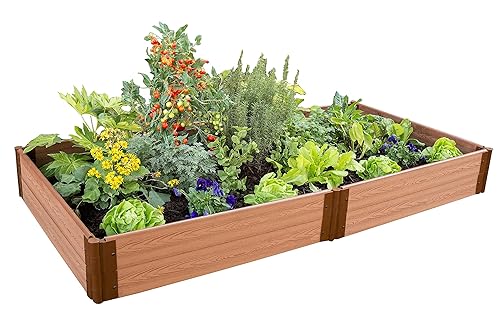
Frame It All One Inch Series 4' x 8' x 11" Composite Raised Garden Bed
Composite material won't rot, crack, or splinter; resists UV fading
Buy on Amazon
Vego Garden 17" Tall 6-in-1 Modular Metal Raised Bed, Olive Green
17-inch depth deep enough for tomatoes, carrots, and squash without restriction
Buy on Amazon| Product | Price Range | Top Strength | Key Weakness | Buy |
|---|---|---|---|---|
| Land Guard Galvanized Raised Garden Bed Kit, Oval, 8x4x1ft best overall | $ | #1 Best Seller in Raised Garden Beds on Amazon , 12,000+ reviews, proven demand | 1-foot depth is shallow , adequate for lettuce, herbs, and flowers but limiting for tomatoes or carrots | Buy on Amazon |
| Frame It All One Inch Series 4' x 8' x 11" Composite Raised Garden Bed also consider | $ | Composite material won't rot, crack, or splinter; resists UV fading | Thinner and less rigid than solid wood or metal panels | Buy on Amazon |
| Vego Garden 17" Tall 6-in-1 Modular Metal Raised Bed, Olive Green also consider | $$ | 17-inch depth deep enough for tomatoes, carrots, and squash without restriction | Metal panels get hot in direct sun , can affect soil temperature in hot climates | Buy on Amazon |
| Greenes Fence Premium Cedar Raised Garden Bed, 4' x 8' x 10.5" also consider | $$ | North American cedar resists rot naturally without chemical treatment , safe for edibles | 10.5-inch depth is adequate for most crops but shallower than premium 17-inch metal beds | Buy on Amazon |
| Birdies Garden Products Birdies Metal Raised Garden Bed with Thermoplastic Base, 43"x20"x15" also consider | $$ | Thermoplastic base allows use on decks and patios without damaging surfaces | One size configuration , no modular expansion | — |
Wooden raised beds get most of the Pinterest attention, but the kits that actually sell , and hold up , span wood, composite, and metal. If you’ve searched “wooden raised beds garden kits” and ended up here, I’ll save you some time: the best kit for your situation depends on what you’re growing, where you’re placing it, and how long you want it to last before it turns into a composting project of its own. This roundup covers five kits across three materials and three price points, with a clear recommendation at each level. No padding, no false equivalencies.
For more context on soil depth, layout planning, and what to fill your beds with before you buy anything, the Raised Beds hub is a good starting point.
Top Picks
Land Guard Galvanized Raised Garden Bed Kit, Oval, 8x4x1ft
Best for: Budget buyers, herbs, salad crops, flowers
Land Guard Galvanized Raised Garden Bed Kit, Oval, 8x4x1ft
That kind of volume tells you something. It’s not because it’s the fanciest option on the market.
The oval shape is actually smarter than it looks. A standard rectangular bed leaves corner soil that’s awkward to reach from either side without stepping in. With this oval, every square inch of soil is within arm’s reach from the long edges. For a bed you’re weeding and harvesting from daily, that matters more than it sounds.
Assembly is tool-free and takes about fifteen minutes. The galvanized steel is sold at a price that undercuts most comparable wood kits, and it won’t rot.
Pros:
- Oval footprint eliminates corner dead zones
- Galvanized steel at a price most wood kits can’t match
- Tool-free assembly, genuinely fast
- Over 12,000 reviews , real-world durability data at scale
Cons:
- 12-inch depth is the hard ceiling here. Fine for lettuce, herbs, strawberries, and annual flowers. Limiting for tomatoes, carrots, or anything with a tap root deeper than eight inches
- Standard galvanized coating, not Aluzinc. In wet climates with freeze-thaw winters, expect a shorter corrosion lifespan than premium coated steel beds
Verdict: If you want a starter bed for salad crops or cut flowers and you’re on a budget, this is the correct choice. Don’t try to grow tomatoes in it.
,
Frame It All One Inch Series 4’ x 8’ x 11” Composite Raised Garden Bed
Best for: First-time builders who want wood aesthetics without wood maintenance
Frame It All One Inch Series 4’ x 8’ x 11” Composite Raised Garden Bed
The Frame It All composite kit occupies a useful middle position: it looks more like wood than metal, it won’t rot, and it’s expandable if you decide 11 inches isn’t deep enough after your first season.
The snap-together assembly requires no tools and no hardware you’ll lose in the garage. Boards connect at the corners with interlocking brackets, and if you want to add height, you buy additional boards and stack them. That expandability is underrated for beginners who aren’t sure yet how deep they want to go.
Composite won’t crack, splinter, or absorb moisture the way pressure-treated or untreated pine will. UV fade resistance is good, though not indefinite.
Pros:
- Composite material: no rot, no splinters, no treatment required
- Snap-together system is beginner-proof
- Expandable height is a genuine advantage
- Lower price than cedar at comparable dimensions
Cons:
- The panels are thinner and flex more than solid cedar or metal. If you’re backfilling with dense, wet soil, you’ll notice some bow in the middle of the long sides
- 11-inch standard depth works for most vegetables but you’ll want to add boards if you’re growing anything that needs 14 inches or more
Verdict: A solid first-bed option for someone who wants the look of wood without wood’s maintenance demands. The expandability alone makes it worth choosing over a fixed-depth composite competitor. It’s not a bed I’d stake a serious kitchen garden on, but for a first season growing tomatoes from a start, it performs.
,
Vego Garden 17” Tall 6-in-1 Modular Metal Raised Bed, Olive Green
Best for: Serious vegetable growing, long-term installation
Vego Garden 17” Tall 6-in-1 Modular Metal Raised Bed, Olive Green
This is the one I’d buy if I were starting fresh.
The 17-inch depth is what separates it from most competitors. Standard raised bed kits run 10 to 12 inches. That’s adequate for lettuce and herbs, acceptable for determinate tomatoes if you’re lucky with your soil. For indeterminate tomatoes, carrots, parsnips, squash, or any serious root vegetable, 17 inches gives the root system room to do what it needs to do without hitting the bottom of the container.
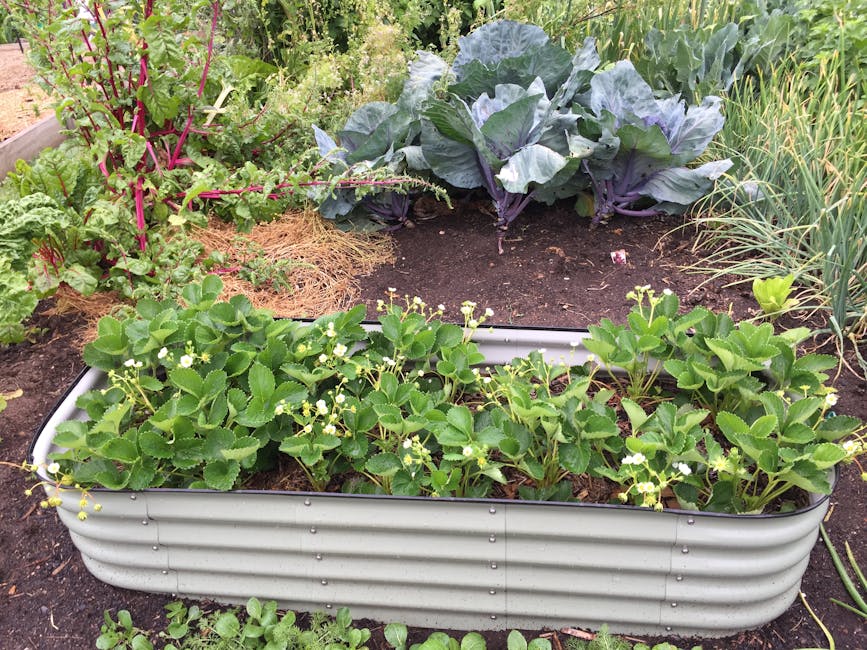
The coating is Aluzinc, not standard galvanized. In practice, that means corrosion resistance roughly three to five times better than a zinc-only coating. If you’re in a region with wet winters, spring standing water, or high rainfall, this distinction matters over a five-to-ten-year horizon. Compare it against the Land Guard above and the coating difference is real.
The 6-in-1 modular system lets the same panels configure into six different shapes: a rectangle, an L-shape, a U-shape, a hexagon, among others. Whether you’d actually reconfigure it after installation is debatable, but if you’re still designing your garden layout, that flexibility during setup is worth having.
Pros:
- 17-inch depth handles the full vegetable lineup without compromise
- Aluzinc coating outperforms standard galvanized in corrosion resistance
- Six configuration options from one set of panels
- Olive green color is unobtrusive in a garden setting
Cons:
- Metal panels heat up in direct afternoon sun. In a hot summer this can raise soil temperature on the south-facing wall of the bed. Worth noting if you’re in a climate with sustained high heat
- Edges are sharp during assembly. Use gloves. This is not optional advice
Verdict: The best overall bed in this roundup. If you’re growing food seriously and you want something that will still be functional in ten years, spend the extra money here.
,
Greenes Fence Premium Cedar Raised Garden Bed, 4’ x 8’ x 10.5”
Best for: Cedar purists, natural material preference, edible gardens
Greenes Fence Premium Cedar Raised Garden Bed, 4’ x 8’ x 10.5”
The Greenes Fence cedar kit is the most popular cedar raised bed on Amazon, and for good reason. North American cedar contains natural oils that resist rot and insect damage without any chemical treatment. For edible gardens where you’re thinking about what’s in contact with your soil, that matters.
The boards are 3/4-inch thick. That’s a specific number worth paying attention to because competing kits at similar prices often run 1/2-inch boards that flex under soil pressure and start to warp by year two. The Greenes boards are substantially sturdier, and the pre-cut sizing with included corner brackets means assembly requires no tools and about twenty minutes. (I’ve assembled faster kits and slower ones. Twenty minutes is honest.)
The 10.5-inch depth is adequate for most annual vegetables. It won’t limit your lettuce, herbs, peppers, or determinate tomatoes. For deep-rooted crops, you’d want the 17.5-inch tall version of this same kit, which is a different product and worth looking up separately.
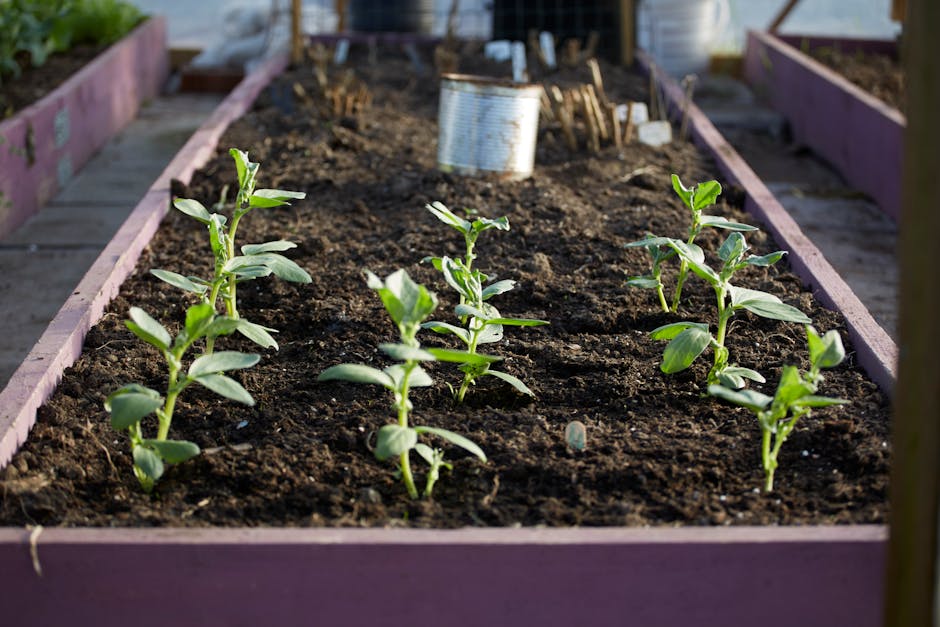
Cedar grays naturally as it weathers. Some people like the look. If you don’t, a coat of boiled linseed oil or tung oil in year one, and every other year after that, will preserve the warm color. Neither oil introduces anything problematic near edibles.
Pros:
- North American cedar, naturally rot-resistant, no chemical treatment
- 3/4-inch thick boards are noticeably sturdier than thinner competing kits
- Tool-free assembly with included hardware
- Safe for edibles without qualification
Cons:
- 10.5-inch depth is the practical ceiling for this kit without modification
- Cedar grays without maintenance treatment. Not a structural problem, but worth knowing
Verdict: The best wood kit in this roundup. If natural material matters to you and you’re growing edibles, this is where I’d start. The 3/4-inch board thickness over the cheaper 1/2-inch alternatives is the detail that will matter in years three and four.
,
Birdies Metal Raised Garden Bed with Thermoplastic Base, 43”x20”x15”
Best for: Decks, patios, balconies, rooftop gardens
Birdies Metal Raised Garden Bed with Thermoplastic Base, 43”x20”x15”
the Birdies patio bed solves a specific problem: how do you grow vegetables on a deck or balcony without damaging the surface below and without hauling something impossibly heavy up three flights of stairs?
The thermoplastic base is the differentiator here. A metal base would scratch hardwood decking and conduct heat directly to whatever surface it’s sitting on. The thermoplastic protects the deck, adds a small insulating buffer, and is light enough to reposition without committing to permanent placement.
At 15 inches deep and 43 by 20 inches across, this fits most balcony and deck situations without overwhelming the space. The Colorbond steel Birdies uses has been tested specifically for garden applications and carries no toxic coatings, which is the question people always ask about metal beds near food. Well-known in the Epic Gardening community, and its reputation there is solid.
Pros:
- Thermoplastic base protects decking and allows safe patio use
- 15-inch depth handles most vegetables, including indeterminate tomatoes in a container context
- Colorbond steel, no toxic coatings, food-safe
- Compact profile works on small outdoor spaces
Cons:
- One size, no modular expansion. What you buy is what you get
- The thermoplastic base can crack under sustained extreme cold. If you’re leaving this outside through hard winters in a northern climate, bring it in or store it off the ground
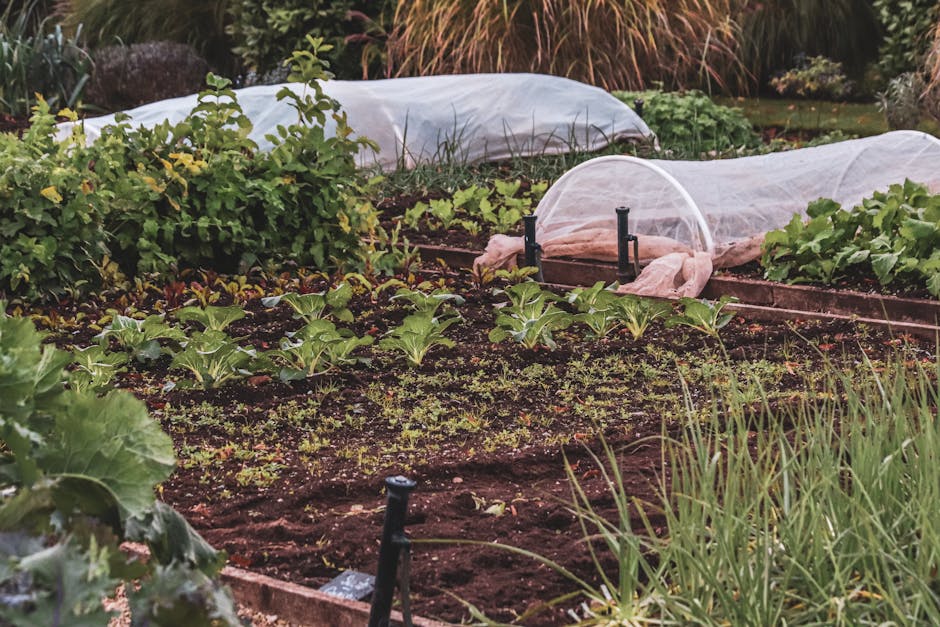
Verdict: If you’re growing on a deck or balcony, this is the correct choice in this roundup. Nothing else here is designed for that use case. The thermoplastic base limitation in hard winters is real, but manageable.
,
Buying Guide
Depth Is the Decision That Matters Most
Before material, before price, before aesthetics: how deep does the bed need to be? The answer depends on what you’re growing.
12 inches or less handles herbs, lettuce, spinach, radishes, annual flowers, and strawberries without issue. If that’s your entire growing list, don’t overspend on depth you won’t use.
14 to 17 inches is where tomatoes, peppers, cucumbers, and most root vegetables become genuinely productive rather than merely possible. The Vego 17-inch is the only kit in this roundup that gets there without modification.
Material Trade-offs
Cedar is the only natural wood in this roundup worth considering for a long-term installation. Untreated pine rot in two to four years in wet climates. Cedar with proper thickness and occasional oil treatment will last eight to twelve years.
Standard galvanized steel is durable but will corrode faster than Aluzinc-coated steel in wet conditions. The price difference between galvanized and Aluzinc options is real, and over a ten-year horizon, so is the performance difference.
Composite is the maintenance-free middle option. It won’t rot, it won’t rust, and it doesn’t require any treatment. The trade-off is that thinner composite panels flex under heavy soil pressure in ways that cedar and metal don’t.
Placement Considerations
For in-ground installation on lawn or soil, any of the beds in this roundup will work. For deck, patio, or balcony installation, the Birdies is the only option here with a base designed for that use.
In areas with wet springs and freeze-thaw ground movement, anchor your bed well and check corner joints in year two. Frost heave will find any weak point in a bracket system.
Expandability
If you’re not sure how deep you want to go, the Frame It All composite kit’s stackable boards give you a way to add height without replacing the entire bed. That’s worth something as a hedge against not knowing yet what you’re going to grow.
For more on planning your raised bed layout and calculating how much soil you’ll need, the raised bed planning resources here cover those questions in detail.
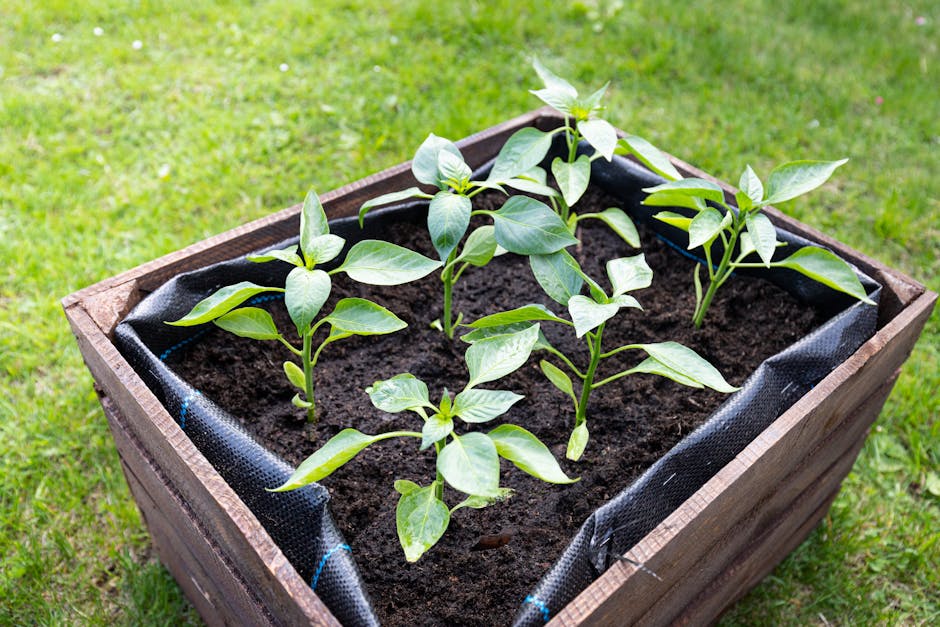
,
Frequently Asked Questions
Are wooden raised bed kits better than metal ones?
Neither is better across the board. Cedar is the better choice if natural materials matter to you and you’re committed to occasional maintenance. Metal beds, particularly Aluzinc-coated ones like the Vego 17-inch, outperform wood on longevity and depth options. Standard galvanized steel sits somewhere in between. The honest answer is that your growing priorities and maintenance tolerance matter more than the material itself.
What depth do I need for growing tomatoes in a raised bed?
Tomatoes need at minimum 12 inches of soil depth, and most gardeners find 15 to 17 inches produces noticeably better results, particularly for indeterminate varieties that put down a serious root system. Of the beds in this roundup, the Vego 17-inch is the only one that gets there without adding extension boards.
Can I use a raised bed kit on a deck or patio?
Most of the kits in this roundup are designed for ground installation and will scratch or mark hardwood and composite decking. The Birdies metal bed with thermoplastic base is the exception. It’s specifically designed for deck and patio use, and the base protects the surface below. If you’re on a balcony or rooftop, it’s the only option here I’d recommend without reservation.
How long do cedar raised bed kits last?
With reasonable thickness (3/4 inch or better) and periodic oil treatment every two to three years, a North American cedar raised bed will typically last eight to twelve years. Untreated cedar in consistently wet conditions will start to degrade at the joints in five to seven years. The Greenes Fence kit uses 3/4-inch boards, which is the right spec. Thinner cedar kits at lower prices tend to have a noticeably shorter lifespan.
Do I need to line a metal raised bed before filling it with soil?
You don’t need to line it for the soil’s sake. Most gardeners add a layer of cardboard or hardware cloth at the base to discourage weeds or burrowing pests, which is worth doing regardless of material. Some people add a fabric liner against the metal walls out of concern about leaching, but Aluzinc and Colorbond steel coatings used in quality metal beds are tested as food-safe. Standard galvanized steel is also generally considered safe for vegetable growing, though the debate around zinc leaching into soil continues in some gardening communities.
Land Guard Galvanized Raised Garden Bed Kit, Oval, 8x4x1ft
- #1 Best Seller in Raised Garden Beds on Amazon , 12,000+ reviews, proven demand
- Oval design eliminates corner dead zones , all soil is within arm's reach from either side
- 1-foot depth is shallow , adequate for lettuce, herbs, and flowers but limiting for tomatoes or carrots
Frame It All One Inch Series 4' x 8' x 11" Composite Raised Garden Bed
- Composite material won't rot, crack, or splinter; resists UV fading
- Tool-free snap-together assembly; expandable with additional boards
- Thinner and less rigid than solid wood or metal panels
Vego Garden 17" Tall 6-in-1 Modular Metal Raised Bed, Olive Green
- 17-inch depth deep enough for tomatoes, carrots, and squash without restriction
- Aluzinc-coated steel resists corrosion 3-5x longer than standard galvanized
- Metal panels get hot in direct sun , can affect soil temperature in hot climates
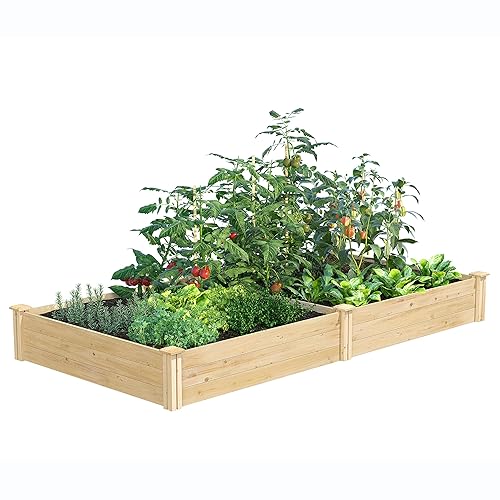
Greenes Fence Premium Cedar Raised Garden Bed, 4' x 8' x 10.5"
- North American cedar resists rot naturally without chemical treatment , safe for edibles
- 3/4-inch thick boards are substantially sturdier than 1/2-inch competitor kits at similar prices
- 10.5-inch depth is adequate for most crops but shallower than premium 17-inch metal beds

Birdies Metal Raised Garden Bed with Thermoplastic Base, 43"x20"x15"
- Thermoplastic base allows use on decks and patios without damaging surfaces
- 15-inch depth suits most vegetables in a compact profile
- One size configuration , no modular expansion
Frequently Asked Questions
How long do wooden raised garden bed kits last before needing replacement?
Untreated pine or fir beds typically last 3 to 5 years in contact with moist soil before the wood begins to rot at the base. Cedar beds last significantly longer — 10 to 20 years — because cedar contains natural oils that resist decay without chemical treatment, making it the preferred wood for edible gardens.
What soil depth do I need in a raised garden bed kit for growing tomatoes?
Tomatoes need a minimum of 12 inches of soil depth for adequate root development, with 17 to 18 inches preferred for unrestricted growth. Shallow beds of 6 to 10 inches work well for lettuce, herbs, and annual flowers, but will limit root vegetables and large fruiting crops like tomatoes, peppers, and squash.
Is cedar or composite material better for a raised bed garden kit?
Cedar is the better choice for aesthetics, rigidity, and natural rot resistance without chemicals — it's the gold standard for safe edible growing. Composite boards (recycled plastic and wood fiber) resist rot comparably but are thinner and less structurally rigid; they work well for low-profile beds but are less satisfying in taller configurations.
Can I use a raised bed garden kit directly on my deck or patio?
Most raised bed kits with open bottoms should not be placed directly on wood decks, as trapped moisture will damage decking within one season. Kits with solid thermoplastic bases, like the Birdies patio model, are specifically designed for hard surfaces. Alternatively, line any open-bottom bed with landscape fabric before placing it on a deck.
How does galvanized metal compare to wood for raised garden bed kits?
Galvanized and aluzinc-coated metal beds outlast wood significantly — quality steel beds last 20 or more years — and they don't rot, splinter, or absorb moisture. The main trade-off is that metal panels heat up in direct summer sun, which can warm the soil and stress plant roots in hot climates; this is manageable with mulching but worth considering before purchasing.
Where to Buy
Land Guard Galvanized Raised Garden Bed Kit, Oval, 8x4x1ftSee Land Guard Galvanized Raised Garden B… on Amazon