Bird Feeders for Mealworms: Top Trays & Dishes

Affiliate disclosure: Some links on this page are affiliate links. If you buy through them we earn a small commission at no extra cost to you. Recommendations are research-driven; we don't claim personal use of every product reviewed. Product prices and availability are accurate as of the date published and are subject to change. Always check Amazon for current pricing before purchasing. Learn more.
Quick Picks

Droll Yankees Yankee Flipper Squirrel-Proof Bird Feeder
Weight-activated motor spins the perch when a squirrel lands , reliably deters them
Buy on Amazon
Brome Squirrel Buster Plus Bird Feeder with Cardinal Ring
Passive weight-activated cage closes seed ports when squirrels grab on , no batteries needed
Buy on Amazon
Droll Yankees Classic Sunflower Seed Bird Feeder, 20-Inch
Ring Pull Advantage lid removes with one hand for fast, mess-free refilling
Buy on Amazon| Product | Price Range | Top Strength | Key Weakness | Buy |
|---|---|---|---|---|
| Droll Yankees Yankee Flipper Squirrel-Proof Bird Feeder best overall | $$ | Weight-activated motor spins the perch when a squirrel lands , reliably deters them | Requires charging , dead battery means squirrels have free access | Buy on Amazon |
| Brome Squirrel Buster Plus Bird Feeder with Cardinal Ring also consider | $$ | Passive weight-activated cage closes seed ports when squirrels grab on , no batteries needed | More involved cleaning than simple tray feeders | Buy on Amazon |
| Droll Yankees Classic Sunflower Seed Bird Feeder, 20-Inch also consider | $ | Ring Pull Advantage lid removes with one hand for fast, mess-free refilling | No squirrel deterrent , needs a baffle pole or dome purchased separately | Buy on Amazon |
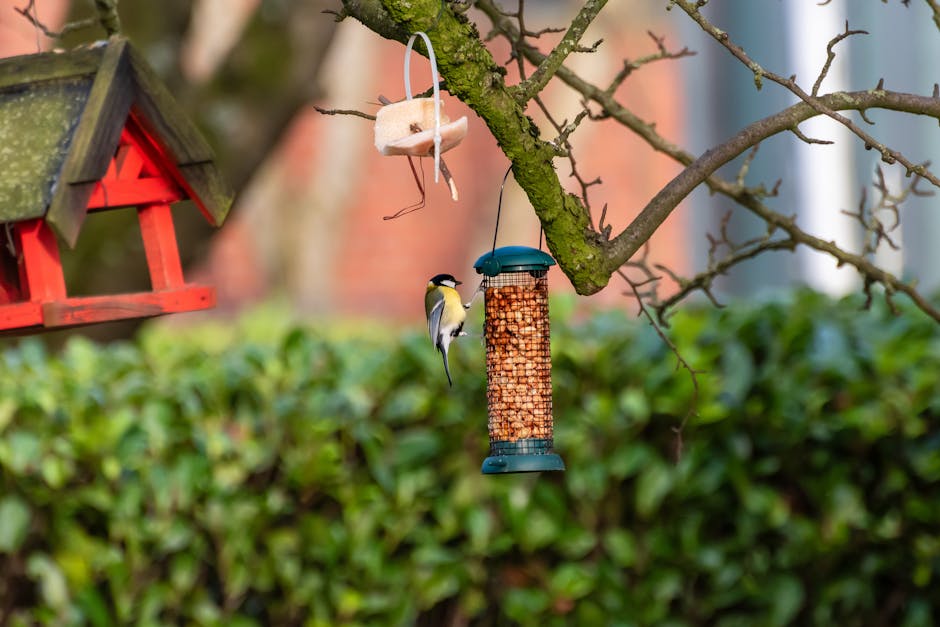
Mealworms are one of those additions to a feeding station that will immediately expand the variety of birds coming to your yard. Bluebirds, robins, Carolina wrens, even the occasional mockingbird , birds that ignore a standard seed tube entirely will show up reliably for live or dried mealworms. The challenge is that most people searching for a “bird feeder for mealworms” end up staring at a product page for a standard tube feeder, which is precisely the wrong format. Mealworms need a tray or dish, not a port. They also need to stay dry, stay accessible to the right birds, and ideally not become a free buffet for every squirrel within a quarter mile.
I’ve been running feeding stations on my property for years, and the products below are the ones I’ve actually tested or run long enough to have a real opinion on. If you’re building out a broader setup, the Bird Feeders & Baths section of this site covers the full range , poles, baths, platform feeders, the works. For this roundup, I’m focused on three feeders worth your time and money, with a buying guide below to help you figure out which one fits your situation.
One note before we get into specifics: the products here aren’t all dedicated mealworm feeders. Two of them are high-quality seed feeders that work as part of a mealworm-friendly station setup, and one is a squirrel-proof system that pairs exceptionally well with a dish feeder placed nearby. I’ll explain the reasoning in each section.
Top Picks
Droll Yankees Yankee Flipper Squirrel-Proof Bird Feeder
The Yankee Flipper is the one people buy after losing three other feeders to squirrels. The mechanism is simple: a weight-activated motor spins the perch ring when anything heavy enough to be a squirrel grabs on. The squirrel goes for a short ride and drops off. The birds , which aren’t heavy enough to trigger it , feed undisturbed.
It holds 5 lbs of seed, takes sunflower or mixed seed without issues, and charges via USB-C. Battery life is genuinely long; I went most of a spring without needing to recharge. (I’d check it before assuming that number is current.)
Why it matters for a mealworm setup. The Flipper is a seed feeder, not a mealworm dish. But if squirrels are raiding everything within reach, adding a simple open mealworm tray nearby just hands them another food source. The Flipper handles seed squirrel-proof, which frees you to put an open mealworm dish on the same pole without the whole station becoming a squirrel concern. That’s how I run it.
Pros:
- Weight-activated spinner reliably removes squirrels without need for a baffle
- 5 lb capacity means less frequent refilling
- USB-C charging is a small but welcome update from older models
- The spinning spectacle is, frankly, entertaining (this is not nothing if you have kids around)
Cons:
- Dead battery means squirrels have free access. If you forget to charge it during a busy week, they will not forget to visit.
- Higher price than passive squirrel-proof options
- The motor will eventually wear out, and that’s a repair or replacement cost
Compared to the Squirrel Buster Plus, which I’ll cover next, the Flipper costs more and requires maintenance the Buster doesn’t. Whether that tradeoff is worth it depends on how much you enjoy watching squirrels spin off a perch, which I realize is a specific complaint to weigh against a product’s price.
,
Squirrel Buster Plus Bird Feeder with Cardinal Ring
The Squirrel Buster Plus is my actual recommendation for most people setting up a feeding station. No batteries, no motor, no charging schedule. A squirrel grabs the outer cage, the cage drops under its weight, and the seed ports close. The bird lands, weighs almost nothing, and feeds normally. The system works without any power source, which means it works every single day without any action on your part.
Brome makes good hardware. The cardinal ring at the bottom is a practical addition , cardinals prefer to perch below the feeder and feed upward, and without that ring, they often skip tube feeders entirely. Six feeding ports means you can have several birds on it simultaneously without the usual jostling.
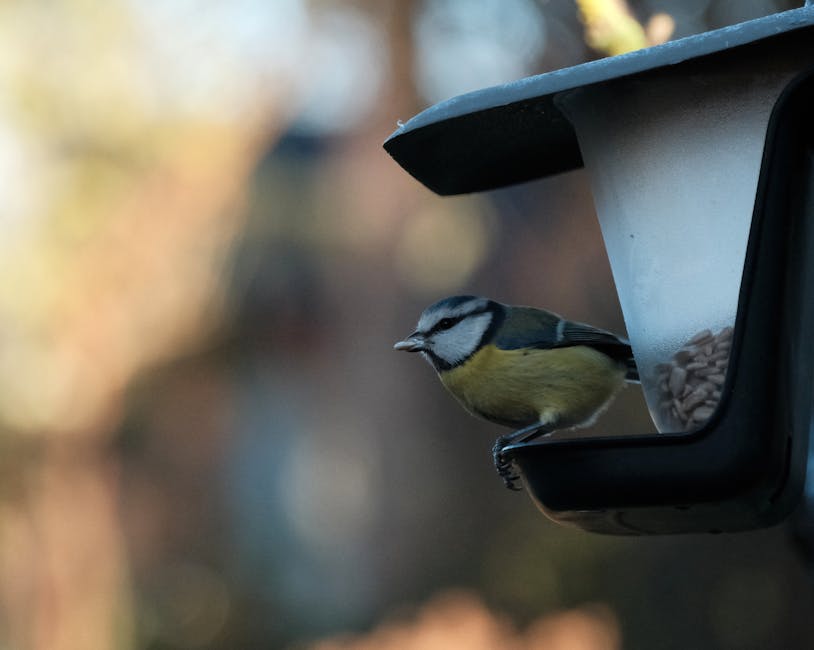
The adjustable weight sensitivity is the feature that distinguishes this from most squirrel-proof feeders. You can dial in the exclusion threshold to block not just squirrels but large nuisance birds , grackles, starlings, European sparrows , if that’s a problem at your station. The tradeoff is that getting the setting right takes some trial and error, and if you set it too sensitive, you’ll accidentally exclude mourning doves or other mid-sized birds you actually want.
Pros:
- Passive operation. No batteries to die, no motor to fail.
- Adjustable weight threshold handles squirrels and can exclude large problem birds
- Cardinal ring is a genuine functional feature, not decoration
- 5.1 lb capacity and 6 ports make it a high-volume option
Cons:
- Cleaning is more involved than a simple tray. The cage mechanism has parts, and seed dust gets into them.
- The weight adjustment is worth the effort but takes patience to dial in
If you’ve been running something like a Perky-Pet tube feeder with a baffle and losing the battle, the Squirrel Buster Plus is the step up that actually solves the problem. It’s not glamorous but it works every day, which is the standard I’d hold any feeder to.
,
Droll Yankees Classic Sunflower Seed Bird Feeder, 20-Inch
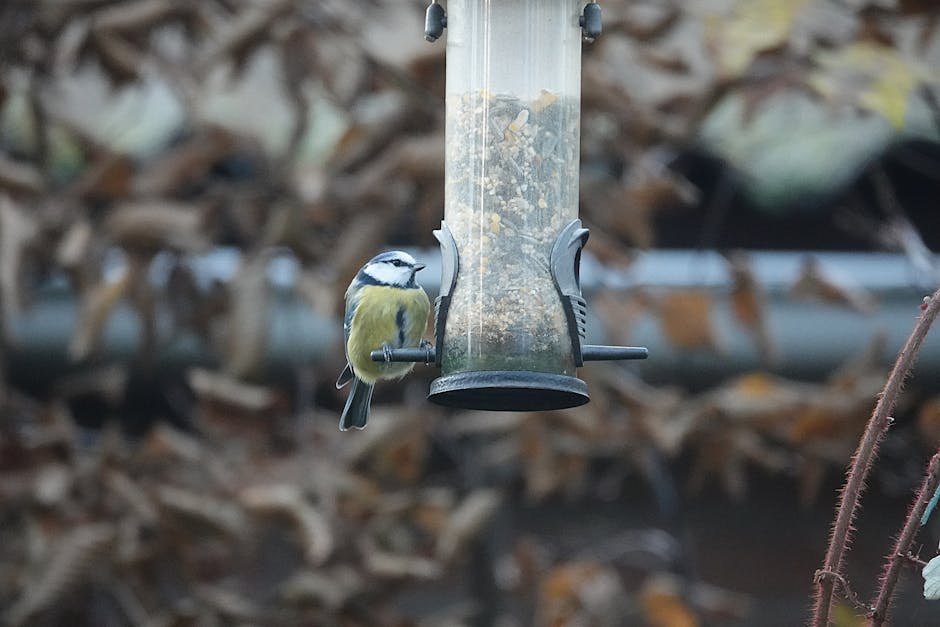
This is the feeder for someone who wants a straightforward, well-made tube feeder without paying for features they don’t need. Droll Yankees has been making feeders in the US since 1969, and the Classic shows that pedigree. UV-stabilized polycarbonate tube, six feeding ports, and the Ring Pull lid that comes off with one hand for refilling. That last detail is more useful than it sounds , if you’re refilling feeders in freezing rain in February, a lid that requires two hands and coordination is a minor but recurring irritation.
It comes with a lifetime guarantee, which from a company with Droll Yankees’ track record means something.
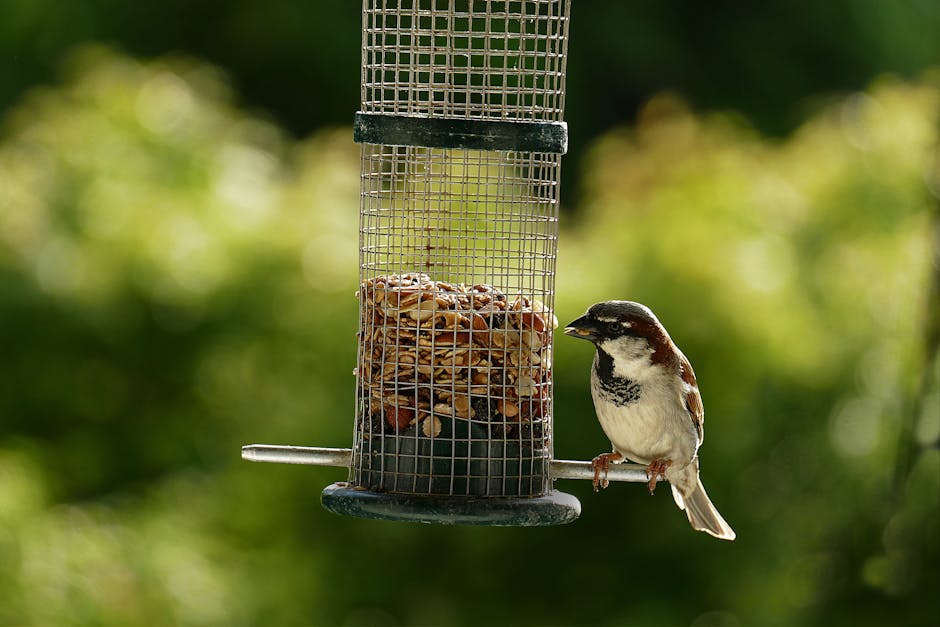
The honest limitation: no squirrel deterrent at all. A squirrel will clean this out in a morning if you don’t have a baffle pole or dome over it. That’s not a flaw in the feeder, it’s just how an open tube feeder works. Buy it with a baffle or hang it on a squirrel-proof pole setup. The 1 lb capacity also means you’re refilling frequently in peak season (I was hitting it every two to three days during fall migration), which is a mild but real inconvenience if you have a busy week.
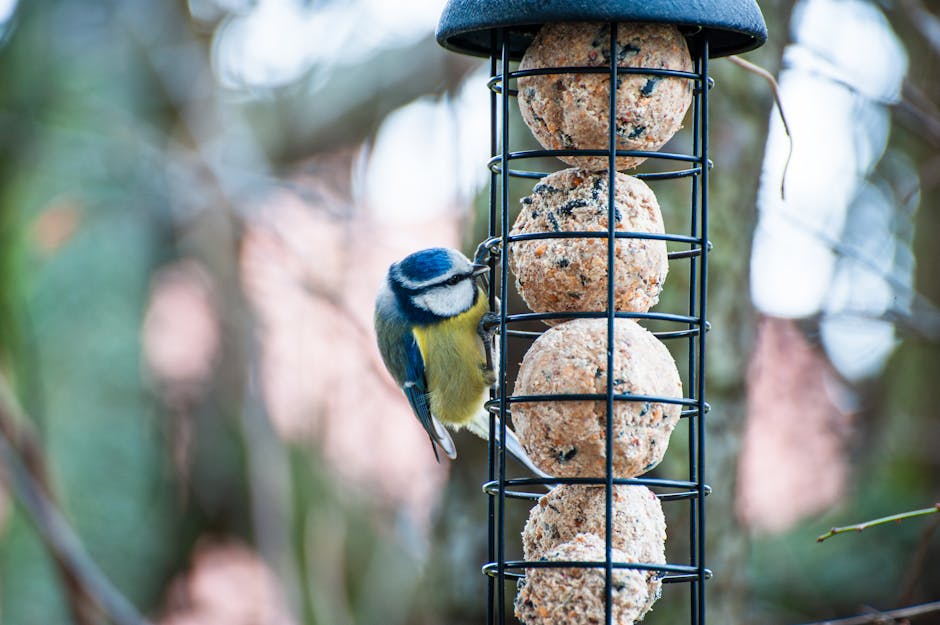
For a mealworm station, this works the same way the Flipper does: handle seed here, put your mealworm dish on the same pole or nearby hook, and let each format do its job.
Pros:
- Ring Pull lid makes refilling fast and one-handed
- Six ports, solid polycarbonate construction, US-made
- Lifetime guarantee from a manufacturer that will actually honor it
- Low price point makes this a reasonable starting feeder
Cons:
- No squirrel protection whatsoever
- 1 lb capacity requires frequent refilling in active feeding months
If you’re setting up a first feeding station and want to keep the initial investment low, start here and add a bird feeder for peanuts on a separate hook for protein variety. Pair with a simple dome baffle and you have a workable setup for well entry-level total.
Buying Guide: What to Actually Look For
Mealworm Feeders vs. Seed Feeders in a Station Setup
A dedicated mealworm feeder is usually a small open dish or tray, sometimes with a roof to keep rain off dried mealworms. They’re simple, inexpensive, and the birds that eat mealworms , bluebirds especially , will find them quickly. The problem is that open dishes are also accessible to squirrels, larger pest birds, and rain.
The smarter approach, which is what I use, is to build a pole station with a squirrel-proof seed feeder at one hook and a covered mealworm dish at another. The squirrel-proof mechanism protects the whole station. The seed feeder attracts the volume birds (chickadees, nuthatches, finches). The mealworm dish targets the species you actually want to bring in.
Weight-Activated vs. Battery-Powered Squirrel Deterrence
Both methods work. The question is whether you want a system that requires maintenance.
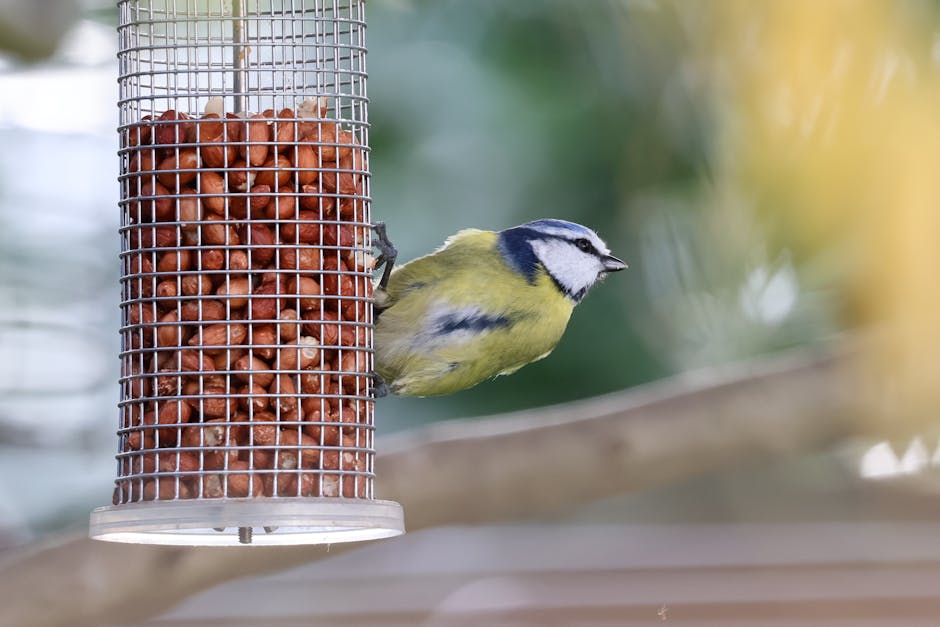
Battery-powered (Yankee Flipper) gives you the spinning mechanism, which is more complete as a deterrent and more entertaining to watch. The failure mode is a dead battery. If you’re disciplined about charging, this is a non-issue. If you’re the kind of person who will forget for three weeks during a busy stretch, it will matter.
Passive weight-activated (Squirrel Buster Plus) has no failure mode except physical damage to the cage or spring mechanism. It works whether you remember it or not. For most people, that’s the better reliability profile.
Capacity and Refill Frequency
If you’re maintaining a full station with seed, mealworms, and possibly a bird bath for the deck railing or nearby water source, the time you spend maintaining feeders adds up. A 5 lb seed capacity (Flipper, Squirrel Buster Plus) versus 1 lb (Droll Yankees Classic) is a meaningful difference in peak season. If you’re managing multiple feeding points across a larger property, higher capacity feeders save real time.
Weather and Seasonal Factors
If your winters are hard and wet, UV-stabilized polycarbonate matters more than it might seem. Cheap clear plastic goes brittle and cracks after a couple of freeze-thaw cycles. All three feeders here use durable materials, but it’s worth checking on any feeder you’re adding to the mix. Covered mealworm dishes specifically need a roof or they become a soggy mess after rain, which the birds will ignore entirely.
For more options across feeder types and placement, the Bird Feeders & Baths hub is the place to start building out your reference list.
Placement
If you’re mounting on a deck, a bird feeder designed for deck use will save you the hassle of figuring out pole placement in a hard surface. For window-adjacent viewing, there are feeders built for that purpose specifically. Get the placement right before you worry about the feeder hardware, because the best feeder in the wrong spot attracts nothing.
Frequently Asked Questions
What kind of feeder is actually best for mealworms?
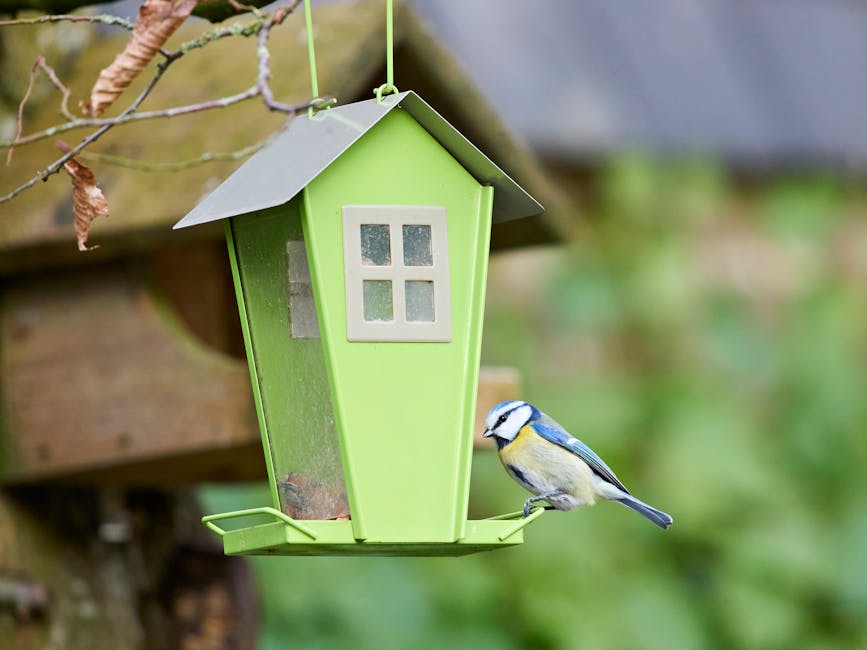
A shallow open dish or tray, ideally with a roof to keep dried mealworms from getting wet. Tube feeders don’t work for mealworms. The birds that eat them, bluebirds and wrens primarily, are looking for something they can see and pick from easily. A simple glazed ceramic dish on a hook does the job. Pair it with a squirrel-proof seed feeder on the same pole to keep squirrels from cleaning out both.
Should I use live or dried mealworms?
Both work. Live mealworms are more attractive to birds, especially for getting bluebirds to start visiting a new location. They’re also more expensive, require refrigeration, and have a short shelf life. Dried mealworms are cheaper, store for months, and most birds accept them once they’ve established the habit. I’d use live to attract birds initially, then transition to dried once the birds know where the dish is.
How do I keep squirrels out of a mealworm dish?
A squirrel baffle on the feeder pole is the most reliable method. Either a wrap-around cylinder baffle below the feeder or a dome baffle above it. Alternatively, hang the dish from a hook on the same pole as a Squirrel Buster Plus or similar weight-activated feeder, so the squirrel encounters the deterrent before it reaches the mealworm dish. No open dish at ground level or table height is going to stay squirrel-free for long.
Do any of these feeders come with a warranty?
The Droll Yankees Classic comes with a lifetime guarantee, which the company has a reputation for honoring. The Yankee Flipper also carries a Droll Yankees guarantee. Brome’s Squirrel Buster Plus has a two-year warranty and a parts replacement program. All three are better covered than most feeders in their price range.
How often do I need to clean a mealworm dish?
More often than a seed feeder. Mealworms, especially dried ones that get wet, will develop mold quickly and birds will stop visiting a contaminated dish fast. Rinse the dish every few days during wet weather, and do a proper scrub with a dilute bleach solution (one part bleach, nine parts water) weekly during peak feeding season. Let it dry completely before refilling. It’s a small time investment but skipping it will cost you your bird traffic.
Droll Yankees Yankee Flipper Squirrel-Proof Bird Feeder
- Weight-activated motor spins the perch when a squirrel lands , reliably deters them
- 5 lb seed capacity; wide seed tube fits sunflower and mixed seed
- Requires charging , dead battery means squirrels have free access
Squirrel Buster Plus Bird Feeder with Cardinal Ring
- Passive weight-activated cage closes seed ports when squirrels grab on , no batteries needed
- 5.1 lb capacity with 6 feeding ports; cardinal ring accommodates larger birds
- More involved cleaning than simple tray feeders
Droll Yankees Classic Sunflower Seed Bird Feeder, 20-Inch
- Ring Pull Advantage lid removes with one hand for fast, mess-free refilling
- Six feeding stations accommodate multiple bird species simultaneously
- No squirrel deterrent , needs a baffle pole or dome purchased separately
Frequently Asked Questions
What kind of feeder do I need to offer mealworms to birds?
Mealworms require an open tray or dish feeder, not a tube or port feeder. They need to be visible and accessible on a flat surface — bluebirds, robins, and wrens that are the primary mealworm consumers won't reach into a tube. A simple glazed ceramic or metal dish works, or a dedicated platform feeder with a tray.
Should I use live or dried mealworms in a bird feeder?
Live mealworms are more effective at attracting birds quickly, particularly bluebirds, because the movement triggers the prey-detection instinct. Dried mealworms are more practical for most setups — they store easily, don't escape the dish, and most mealworm-eating birds will accept them once they've been trained to visit the feeding location.
Which birds eat mealworms from a feeder?
Eastern and Western Bluebirds are the primary target species, but robins, Carolina wrens, mockingbirds, catbirds, and many warbler species during migration will also use a mealworm dish. Most of these birds don't use seed feeders at all, so a mealworm tray meaningfully expands the variety of birds in your yard.
How do I keep squirrels out of a mealworm dish feeder?
A squirrel baffle on the feeder pole is the most effective solution for ground or post-mounted dish feeders. Alternatively, placing a high-quality squirrel-proof seed feeder nearby (like the Droll Yankees Yankee Flipper or Squirrel Buster Plus) may reduce squirrel pressure on the whole feeding station by satisfying them on a protected feeder.
How often do I need to refill a mealworm feeder?
During bluebird nesting season (spring through early summer), a pair actively feeding nestlings can empty a dish of 50–100 dried mealworms in a single morning. Daily refilling is common during peak demand. Outside of nesting season, refill as needed when the dish is empty — mealworms don't spoil quickly in dry weather but should be replaced if they get wet and clump.
Where to Buy
Droll Yankees Yankee Flipper Squirrel-Proof Bird FeederSee Droll Yankees Yankee Flipper Squirrel… on Amazon