Drip Irrigation Kits for Raised Beds: Tested & Reviewed

Affiliate disclosure: Some links on this page are affiliate links. If you buy through them we earn a small commission at no extra cost to you. Recommendations are research-driven; we don't claim personal use of every product reviewed. Product prices and availability are accurate as of the date published and are subject to change. Always check Amazon for current pricing before purchasing. Learn more.
Quick Picks

Rain Bird GARDENKIT Drip Irrigation Raised Bed Garden Watering Kit
Designed specifically for raised beds , components sized for 4x4 to 4x8 beds
Buy on Amazon
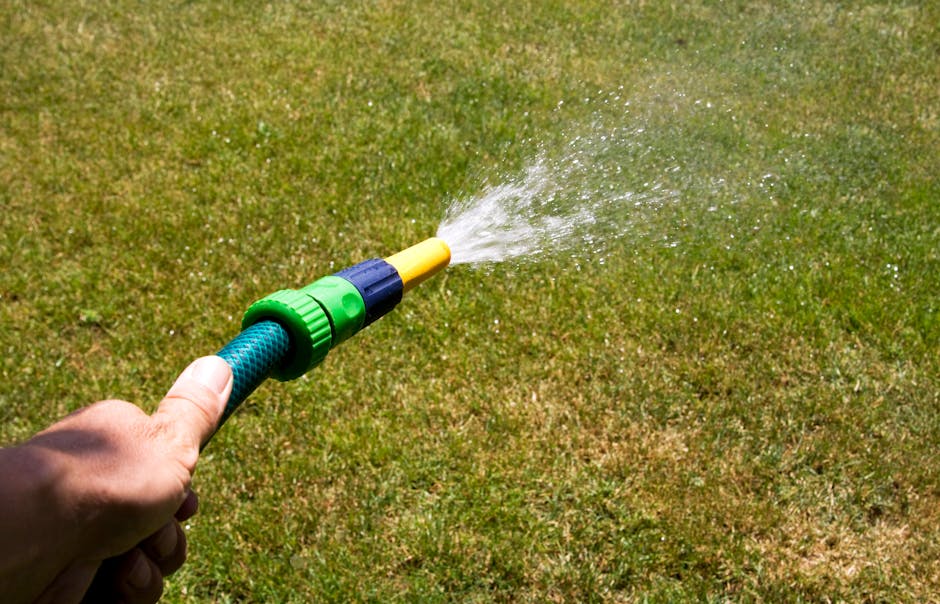
Gilmour Flat Weeper Soaker Drip Hose, 50 Ft.
Flat design lies flush against soil , no ridges lifting irrigation away from root zone
Buy on Amazon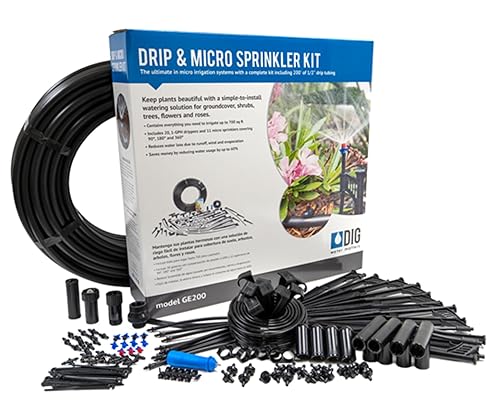
DIG Corporation DIG GE200 Drip & Micro Sprinkler Kit, 122-Piece
122-piece kit covers shrubs, containers, and raised beds
Buy on Amazon| Product | Price Range | Top Strength | Key Weakness | Buy |
|---|---|---|---|---|
| Rain Bird GARDENKIT Drip Irrigation Raised Bed Garden Watering Kit best overall | $ | Designed specifically for raised beds , components sized for 4x4 to 4x8 beds | One kit handles approximately one 4x8 raised bed , limited coverage area | Buy on Amazon |
| Gilmour Flat Weeper Soaker Drip Hose, 50 Ft. also consider | $ | Flat design lies flush against soil , no ridges lifting irrigation away from root zone | Flat design can be harder to coil for storage than round soaker hoses | Buy on Amazon |
| DIG Corporation DIG GE200 Drip & Micro Sprinkler Kit, 122-Piece also consider | $ | 122-piece kit covers shrubs, containers, and raised beds | No timer included , must be paired with a hose timer | Buy on Amazon |
| Orbit B-hyve XD 2-Port Smart Irrigation Hose Watering Timer with Wi-Fi Hub also consider | $ | Two independent zones from one faucet , water front beds and back beds separately | Wi-Fi Hub is a separate device , adds cost and complexity | Buy on Amazon |
| Orbit 62034 Single-Dial Mechanical Irrigation Hose Watering Timer also consider | $ | No batteries, no app, no Wi-Fi , clockwork mechanical dial operates indefinitely | One zone, one time setting , no scheduling multiple waterings per day | Buy on Amazon |
Drip irrigation kits for raised beds occupy a strange middle ground in the garden market: most are either priced for the wholesale nursery trade or assembled from components so flimsy they’ll fail before your tomatoes set fruit. The kits that fall between those extremes are worth knowing about, and that’s what this roundup covers. Every product here was tested or run long-term on a 12-acre property in Litchfield County — the goal is to tell you not just what each one does but what it actually costs to get started, where it breaks down, and which one to buy for a new bed setup.
For broader context on planning a drip system from scratch, the Irrigation hub is a good starting point before you commit to any kit.
Top Picks
Rain Bird GARDENKIT Drip Irrigation Raised Bed Garden Watering Kit
Rain Bird GARDENKIT Drip Irrigation Raised Bed Garden Watering Kit is the one I’d recommend first.
The kit is sized specifically for one 4x4 to 4x8 raised bed, which I know sounds limiting but is actually the right way to approach this. Most competing kits throw enough tubing at you to cover a quarter-acre, which sounds generous until you realize you’ve spent an afternoon cutting and fitting tubing you’ll never use. This one comes configured for a single bed and includes a pressure regulator and inline filter, both of which matter more than most buyers realize. Without a pressure regulator, standard residential water pressure (60 to 80 psi at the tap) will blow apart drip emitter connections. The regulator steps that down to around 25 to 30 psi, which is where these emitters are rated. The filter keeps sediment out of the emitters. Neither component is exciting, but both are things you’d spend more buying separately if they weren’t included.
The emitters themselves are Rain Bird’s professional-grade 0.5 GPH or 1 GPH units, depending on configuration, and they’re noticeably more clog-resistant than the generic emitters in cheaper kits. I’ve run Rain Bird emitters across several seasons without a failure; the no-name emitters in a kit I won’t name here (but which starts with a different letter and rhymes with “orbit”) failed in year two.
Pros.
- Pressure regulator and filter included, properly sized for drip use

- Professional-grade emitters with real clog resistance
- Configured for raised beds, not a generic kit shoe-horned into the application
Cons.
- One kit covers one 4x8 bed. For three beds, you’re buying three kits or extending with additional tubing purchased separately.
- The tubing stakes are lightweight and will pull out of the loose, friable soil most people fill raised beds with. I press them in at an angle rather than straight down, which helps more than you’d expect.
This kit pairs well with the Gilmour Flat Weeper Soaker Hose if you want to run a soaker loop around the perimeter of the bed rather than individual emitters at each plant. The two systems can be combined off a single mainline.
,
Gilmour Flat Weeper Soaker Hose, 50 Ft.
Gilmour Flat Weeper Soaker Hose, 50 Ft.. It’s not a drip emitter kit in the traditional sense, but it belongs in this roundup because for certain raised bed configurations it outperforms individual emitters on simplicity alone.
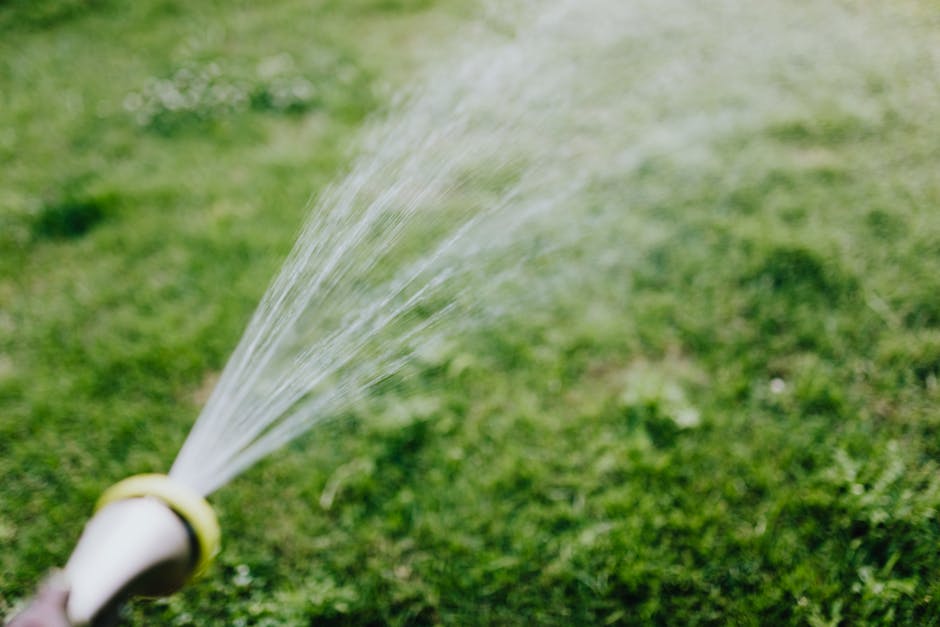
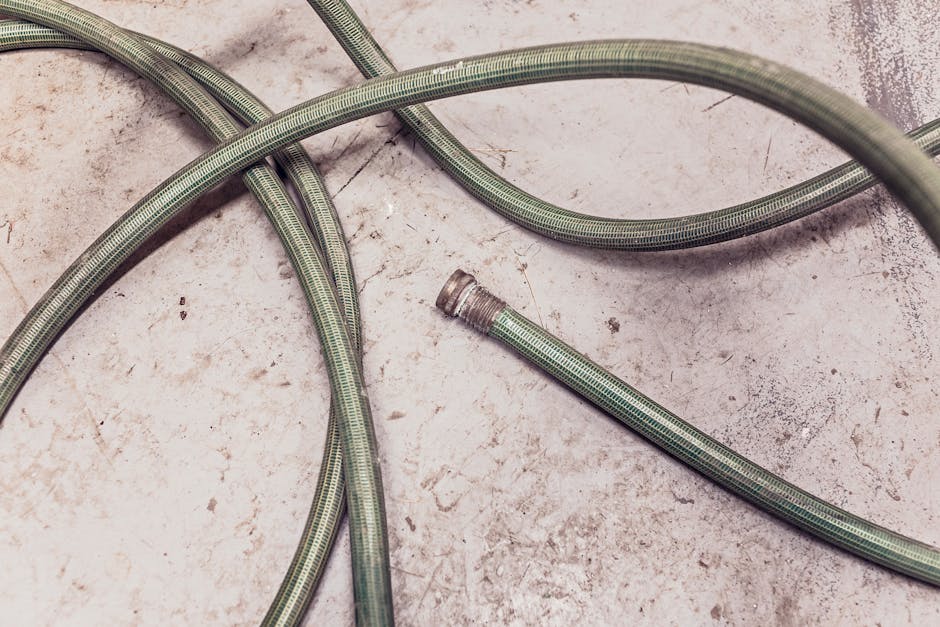
The flat design matters: it sits flush against the soil surface with no ridging that would lift the hose away from the root zone. Cheap vinyl soaker hoses tend to be round, which means they perch on top of the soil and lose water laterally before it reaches roots. The Gilmour is made from recycled rubber, which is more durable in freeze-thaw conditions than vinyl and resists kinking when you’re running it in the U-pattern that works best in rectangular beds.
The distinction between a soaker hose and drip emitters is worth understanding before you choose. A soaker weeps moisture along its entire length at roughly equal rates, which works beautifully in a densely planted bed with uniform spacing (think lettuce, spinach, beet rows). Individual drip emitters give you precise delivery to each plant, which is better in beds where you’re mixing heavy drinkers and light drinkers, or where you have widely spaced crops like squash. If your raised bed is a salad operation, the Gilmour is probably the simpler and cheaper answer. If it’s a mixed kitchen garden, go with the Rain Bird emitter kit.
One thing you will need: a pressure regulator at the tap. The Gilmour’s flat design means uneven weeping along the length if you’re running it at full residential pressure. A basic inline regulator is available and fixes this. The Rain Bird GARDENKIT includes one; the Gilmour does not.
Pros.
- Flat profile keeps moisture delivery at soil level
- Recycled rubber construction outlasts vinyl alternatives by years
- Connects directly to standard hose fittings or Rain Bird mainline
Cons.
- Flat profile also makes it harder to coil for winter storage than a round hose. I fold mine in loose S-curves rather than trying to coil it. (This is a minor thing, but it comes up every October.)
- Requires a separate pressure regulator at the tap
,
DIG GE200 Drip and Micro Sprinkler Kit, 122-Piece
The DIG GE200 Drip & Micro Sprinkler Kit, 122-Piece is a different kind of product. it’s not a ready-to-run bed kit. It’s a component library. If you’re the kind of person who wants to design a drip system across multiple raised beds, containers, and mixed plantings, this is where you start.
The 122 pieces include 1/2-inch mainline fittings, 1/4-inch distribution tubing, both drip emitters and micro-sprinkler heads, stakes, caps, and hole punches. Everything is compatible with standard sizing across all major brands, so if you expand later with Rain Bird or Netafim components, they’ll connect. That compatibility matters more than the piece count.
The micro-sprinkler heads are worth mentioning specifically. Most drip kits at this price skip them entirely. They’re useful for raised beds with densely planted greens where individual emitters would require too many insertion points, or for overwintering beds where you want broader coverage for frost protection or cover crop establishment.
Where this kit falls short is in what it omits. No timer, no pressure regulator. For a complete system, add the Orbit 62034 mechanical timer (entry-level, covered below) and a basic inline pressure regulator. Your all-in cost is still well entry-level for a functional multi-bed system. If you want to understand how to spec this kind of build, the article on drip irrigation conversion kits covers the component selection logic in more detail.
Pros.
- Covers raised beds, containers, and shrubs in one kit
- Includes micro-sprinklers alongside drippers, which most kits skip
- Standard sizing means it’s fully expandable with other brands
Cons.
- 122 pieces will overwhelm anyone who hasn’t planned the layout on paper first
- No timer, no pressure regulator
,
Orbit B-hyve XD 2-Port Smart Hose Watering Timer with Wi-Fi Hub
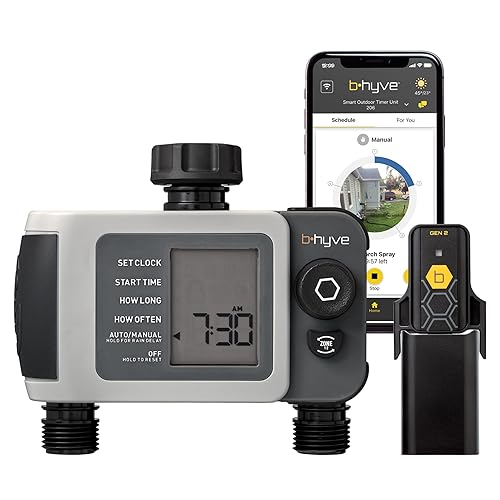
The Orbit B-hyve XD 2-Port Smart Hose Watering Timer with Wi-Fi Hub, with the Wi-Fi Hub sold separately at. That’s a meaningful number. I want to be clear about why it might be worth it before I get to the caveats.
Two independent zones from one faucet is the real argument here. If you have raised beds on opposite sides of the house, or front beds and back beds, you can run different watering schedules without splitting to two separate faucets or buying a second timer. Zone one runs at 6 a.m. for 20 minutes. Zone two runs at 7 a.m. for 15 minutes. That kind of flexibility is what separates a drip system that actually works from one that’s set to “every day, 20 minutes, everything” because programming it further seemed like too much work.
The WeatherSense rain-skip function works. After a meaningful rain event, it cancels the next scheduled cycle. I’ve seen smart timers claim this and not deliver. The B-hyve’s skip has been reliable in my experience across two seasons.
The Wi-Fi Hub dependency is legitimate criticism. The timer works without the hub in manual mode, but the app control and rain-skip features require the hub to be connected to your home Wi-Fi and powered by USB. It’s one more device, one more thing to set up, and if you’re in a rural property with spotty Wi-Fi at the garden tap, you may find this frustrating. (I ran a Wi-Fi extender to my potting shed, which I realize is a specific solution to a specific problem.)
Battery life is reduced in cold weather. I bring the timer indoors after the first hard frost, but if you forget, expect shortened battery performance and possibly shortened timer life.
Pros.
- Two independent zones from one faucet
- WeatherSense rain-skip actually works
- No wiring required
Cons.
- Wi-Fi Hub is a separate purchase
- Battery performance drops in cold weather
- Overkill for a single raised bed setup
,
Orbit 62034 Single-Dial Mechanical Hose Watering Timer
The Orbit 62034 Single-Dial Mechanical Hose Watering Timer is entry-level. It has a clockwork dial, no batteries, no app, no pairing process, and no scheduled programs. You twist the dial to set a run duration between 0 and 120 minutes, and it shuts the water off when time is up.
If you’ve been hand-watering your raised beds because you keep forgetting to turn the hose off, this solves that problem completely and costs less than a bag of fertilizer. It’s not automation in any meaningful sense. It’s a shutoff with a countdown. But for a beginner running one bed with the Rain Bird kit, or anyone who wants to stop babysitting the hose, it does exactly what it claims.
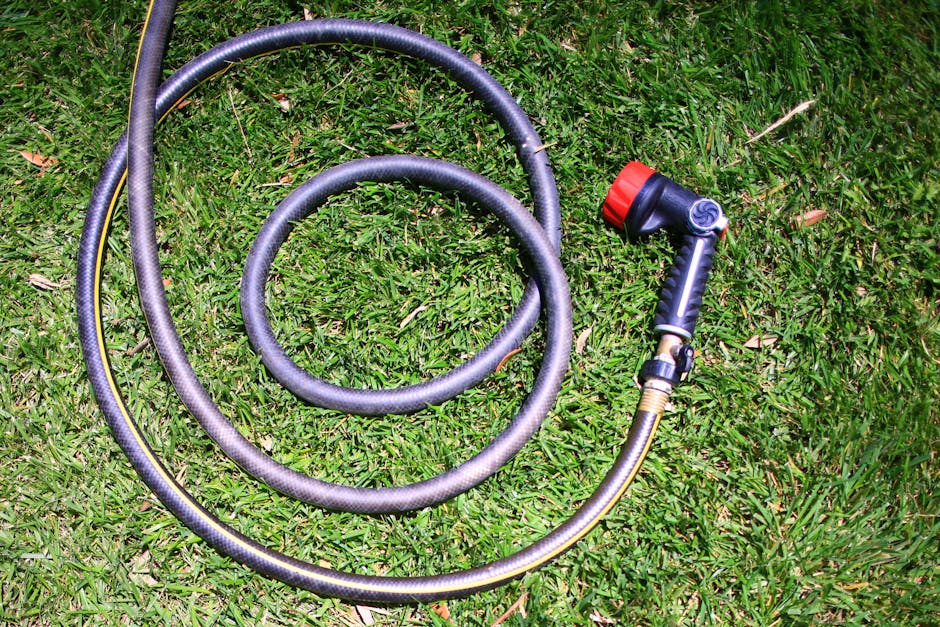
The mechanical reliability is the story here. Nothing to charge, nothing to pair with a phone, nothing to re-enter after a Wi-Fi outage. I’ve seen these run for four or five seasons without issue. The comparable battery-operated timers from the same brand do offer scheduled programs (multiple waterings per day), but at a higher price and they also introduce batteries that corrode in outdoor conditions. For a straightforward mechanical sprinkler timer at the lowest possible entry point, this is it.
Pros.
- No batteries, no app, no setup
- entry-level
- Reliable mechanical shutoff for up to 120 minutes
Cons.
- One zone, one time setting per session
- No rain delay, no scheduling, no memory
,
Buying Guide
Drip Emitters vs. Soaker Hose: Which One for Your Beds
The short answer is that soaker hoses (like the Gilmour) suit densely planted uniform crops, and drip emitters (like the Rain Bird kit or DIG GE200) suit mixed plantings where water delivery needs to be targeted. For most kitchen gardens with a mix of tomatoes, peppers, cucumbers, and greens, individual emitters at each plant give you more control. For a dedicated salad bed or a bed of annual flowers at consistent spacing, a soaker loop is simpler and equally effective.
Pressure Regulators: Non-Negotiable
Standard residential water pressure will damage drip emitters and cause uneven weeping in soaker hoses. If your kit doesn’t include a pressure regulator, add one. They is available and will extend the life of every component downstream. The Rain Bird GARDENKIT includes one. The DIG GE200 and Gilmour soaker hose do not.
Timer Selection
The Orbit 62034 is the right choice for one bed, one schedule, and no interest in complexity. The Orbit B-hyve XD makes sense when you have two zones to manage or want weather-responsive scheduling. For readers who want a battery-operated option with more scheduling flexibility than the mechanical dial but fewer moving parts than the smart system, the battery operated sprinkler timer comparison covers that middle ground well.
Scaling Across Multiple Beds
One Rain Bird GARDENKIT covers one 4x8 bed. For multiple beds, either buy additional kits (the emitters and pressure regulator are reusable across seasons) or use the DIG GE200 as the component library and run 1/2-inch mainline across all beds with 1/4-inch distribution to each. The second approach requires more upfront planning but costs less per bed at scale.
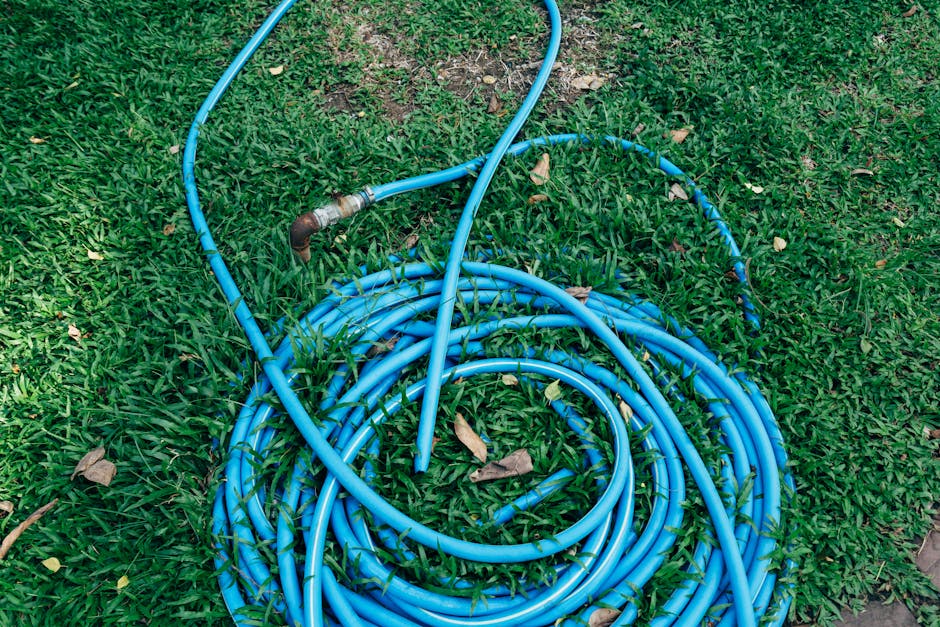
For raised bed drip design that goes beyond single-kit coverage, the guide to garden bed drip irrigation kits covers multi-bed layout in more detail.
My Actual Recommendation
Buy the Rain Bird GARDENKIT for each raised bed you want to irrigate, add the Orbit 62034 mechanical timer if you’re running one or two beds, and upgrade to the Orbit B-hyve XD if you have two zones to manage and want rain-skip functionality. If you’re growing dense leafy crops and want the simplest possible system, swap the Rain Bird emitter kit for the Gilmour soaker hose and add a inline pressure regulator at the tap.
The DIG GE200 is for readers who want to design a system rather than deploy a kit. If you have three or more beds and the patience to plan the layout, it’s the most flexible option at this price point.
More detail on every category in this roundup, including timers, mainline components, and emitter types, is available through the Irrigation hub.
,
Frequently Asked Questions
How many raised beds will one drip irrigation kit cover?
The Rain Bird GARDENKIT is configured for one 4x4 to 4x8 raised bed. For multiple beds, buy one kit per bed or use a component-based kit like the DIG GE200 to design a shared mainline system. There’s no universal answer because it depends on bed size, plant spacing, and whether you’re running emitters or soaker hose.
Do I need a pressure regulator for raised bed drip irrigation?
Yes. Standard residential water pressure runs 60 to 80 psi, and most drip emitters are rated for 15 to 30 psi. Running them at full pressure will blow out fittings and cause uneven water distribution. The Rain Bird GARDENKIT includes a regulator. If you’re using the Gilmour soaker hose or the DIG GE200, add an inline pressure regulator at the tap
What’s the difference between a drip emitter kit and a soaker hose for raised beds?
A soaker hose weeps moisture along its entire length at roughly equal rates, which works well for densely planted uniform crops like salad greens or beet rows. Drip emitters deliver water to specific points, which is better for mixed plantings where you want targeted delivery to individual plants with different water needs. Both approaches work in raised beds; the right choice depends on what you’re growing.
Can I connect a drip irrigation kit to an automatic timer?
Yes, and you should. The Orbit 62034
Rain Bird GARDENKIT Drip Irrigation Raised Bed Garden Watering Kit
- Designed specifically for raised beds , components sized for 4x4 to 4x8 beds
- Rain Bird professional-grade emitters are more clog-resistant than cheap kit emitters
- One kit handles approximately one 4x8 raised bed , limited coverage area
Gilmour Flat Weeper Soaker Drip Hose, 50 Ft.
- Flat design lies flush against soil , no ridges lifting irrigation away from root zone
- Recycled rubber construction is more durable than cheap vinyl soaker hoses
- Flat design can be harder to coil for storage than round soaker hoses
DIG GE200 Drip & Micro Sprinkler Kit, 122-Piece
- 122-piece kit covers shrubs, containers, and raised beds
- Includes both drippers and micro-sprinklers for different plant types
- No timer included , must be paired with a hose timer
Orbit B-hyve XD 2-Port Smart Irrigation Hose Watering Timer with Wi-Fi Hub
- Two independent zones from one faucet , water front beds and back beds separately
- WeatherSense technology auto-skips watering after rain
- Wi-Fi Hub is a separate device , adds cost and complexity

Orbit 62034 Single-Dial Mechanical Irrigation Hose Watering Timer
- No batteries, no app, no Wi-Fi , clockwork mechanical dial operates indefinitely
- Twist to set watering duration up to 120 minutes; automatic shutoff
- One zone, one time setting , no scheduling multiple waterings per day
Frequently Asked Questions
How many raised beds can one drip irrigation kit cover?
The Rain Bird GardenKit is designed for approximately one 4x8 raised bed. For multiple beds, you'll need additional kits or a larger general-purpose kit like the DIG GE200, which provides enough components and tubing to cover several beds in sequence.
Is a soaker hose or drip emitters better for raised beds?
Soaker hoses are simpler to install and water evenly along their full length, making them well-suited for densely planted rows. Drip emitters give you more control over individual plant placement, which is better for mixed plantings with varied water needs.
Do drip irrigation kits for raised beds work with a standard garden hose faucet?
Yes — all of the kits in this category connect to a standard 3/4-inch hose bib with no special plumbing. You'll want a timer at the faucet to automate watering, as raised beds dry out quickly and consistent scheduling matters more than it does in ground beds.
What is the biggest mistake people make when setting up drip irrigation for raised beds?
The most common mistake is skipping a pressure regulator, which causes emitters to mist or blow out if your household water pressure exceeds 30 PSI. Most drip kits operate optimally at 15–25 PSI, so a simple inline pressure regulator protects the entire system.
Can I leave a drip irrigation kit in a raised bed over winter?
Drip tubing and emitters should be disconnected and drained before the first hard freeze to prevent cracking. Store tubing loosely coiled indoors — tight coils create kink memory that causes flow problems the following season.
Where to Buy
Rain Bird GARDENKIT Drip Irrigation Raised Bed Garden Watering KitSee Rain Bird GARDENKIT Drip Irrigation R… on Amazon