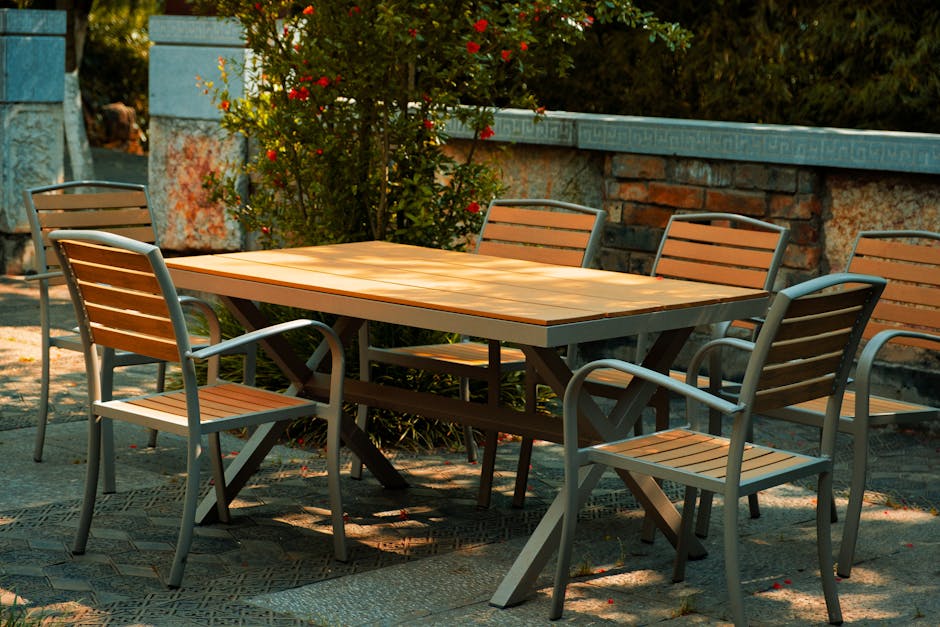
Birdies Metal Raised Garden Bed Review: Deck & Patio

Affiliate disclosure: Some links on this page are affiliate links. If you buy through them we earn a small commission at no extra cost to you. Recommendations are research-driven; we don't claim personal use of every product reviewed. Product prices and availability are accurate as of the date published and are subject to change. Always check Amazon for current pricing before purchasing. Learn more.
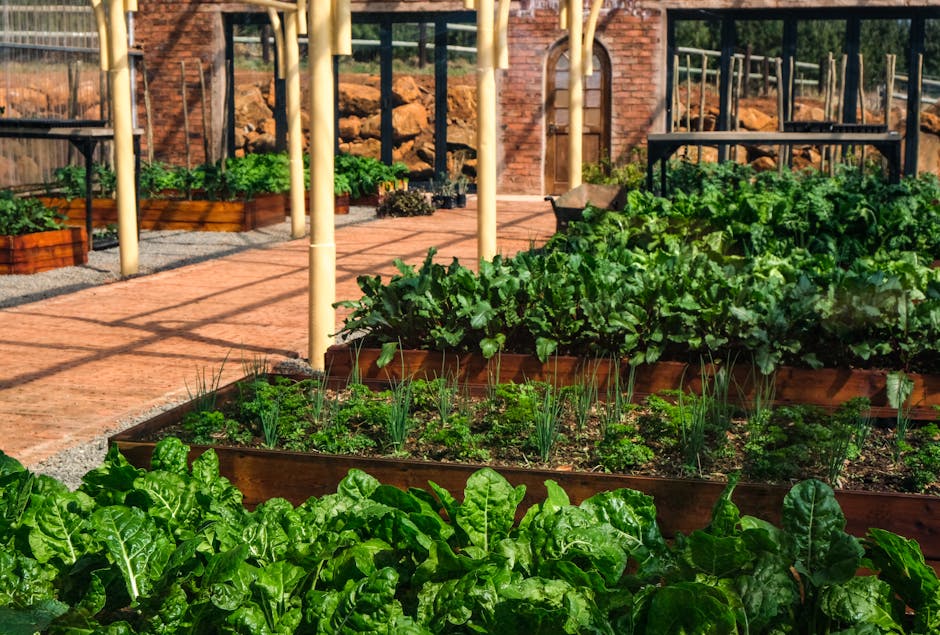

Thermoplastic base allows use on decks and patios without damaging surfaces
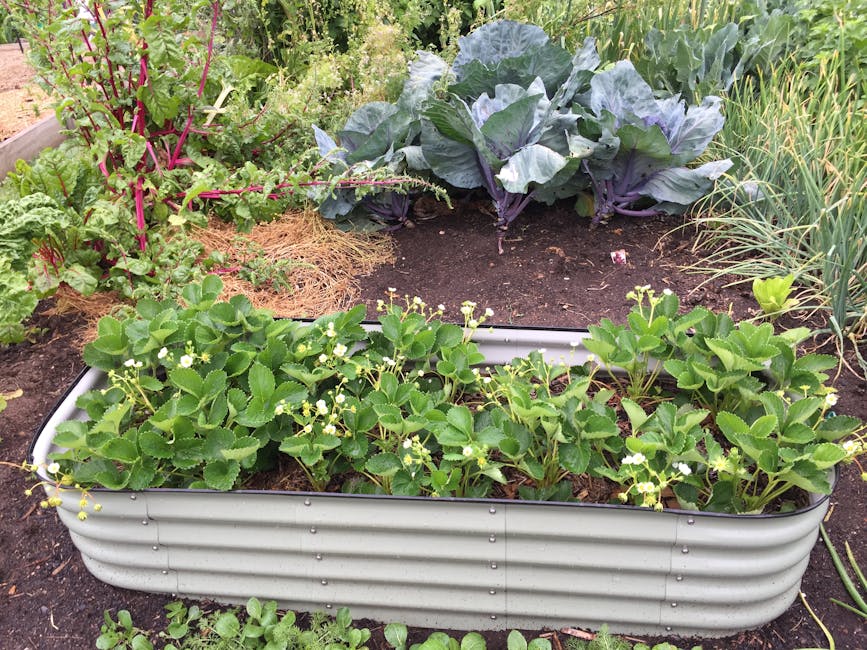
If you’re putting a raised bed on a deck, a patio, or any surface you’d like to keep intact, the options narrow fast. Most metal raised beds are designed for ground installation. The Birdies Metal Raised Garden Bed with Thermoplastic Base, 43”x20”x15” is one of the few designed specifically for hard surfaces, and it’s been the most requested deck bed recommendation in my inbox for the better part of two years. I’ve been running mine on a stone patio for two full growing seasons, so I have a clear view of what it does well and where it falls short.
For anyone earlier in the decision process, the broader Raised Beds guide covers the full landscape of materials, configurations, and sizing trade-offs before you commit to any particular product.
Quick Verdict
The Birdies thermoplastic base bed earns a firm recommendation for deck and patio use, with one significant caveat: you get one size and one configuration. If you need to expand, you’re buying another unit. For a single dedicated growing space on a surface that can’t handle soil contact or moisture pooling, it does the job cleanly and holds up.
Current price at time of writing sits, depending on color selection. That’s competitive for a purpose-built deck bed with this steel gauge.
Key Specs
Dimensions. 43 inches long by 20 inches wide by 15 inches deep. The footprint fits a standard large deck section without dominating it, and 15 inches of growing depth handles the majority of vegetable root systems without compromise. Shallow-rooted crops like lettuce and herbs use it well. Tomatoes and peppers work at this depth provided you’re managing moisture carefully and not relying on subsoil drainage.
Material. Birdies uses Colorbond steel, an Australian-developed coated steel that’s been a standard in the outdoor construction industry for decades. The coating is a baked-on paint system rather than a galvanized zinc layer, which matters for food growing: no zinc leaching risk, no lead, no toxic surface treatments. The steel gauge is heavier than what you find in most budget import beds.
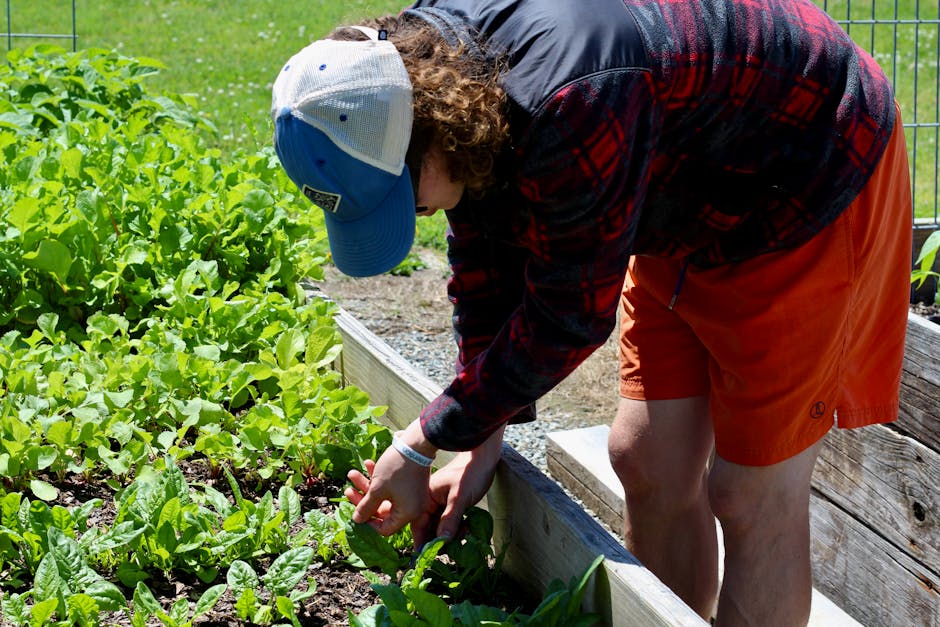
The Base. The thermoplastic base is the entire point of this product. It sits between the steel walls and whatever surface is below, acting as a moisture barrier and a physical buffer. Decking boards, composite surfaces, tile, and stone all benefit from not having wet soil sitting directly on them for months at a time. Drainage holes are molded into the base, so water exits rather than pooling inside the bed.
Weight when filled. Roughly 200 to 250 pounds with a full soil load, depending on your mix. That’s a real consideration for elevated decks with weight limits. Worth checking your deck’s load-bearing capacity before purchasing, which I realize sounds obvious, but it’s the question people skip.
See Birdies Metal Raised Garden Bed on Amazon →
Performance and Testing
Setup
Assembly takes about 20 minutes with basic tools. The steel panels clip together without the need for separate hardware beyond the bolts included for the corner joins. The thermoplastic base clips in after the walls are assembled. Nothing complicated. I set mine up alone, though having a second person available for the base attachment makes the process smoother.
Color options are available across Birdies’ standard Colorbond palette. I went with Woodland Gray, which has held color through two hard winters and multiple seasons of direct sun without fading noticeably.
Growing Performance
Fifteen inches of depth is enough for most of what you’d actually grow on a deck. I’ve run cherry tomatoes, basil, Swiss chard, kale, and cucumbers in this bed over two seasons. The cucumbers were the stress test: they want consistent moisture, deep roots, and they punish poor drainage. The molded drainage holes managed moisture better than I expected from a sealed-base product. In heavy rain weeks, I didn’t see waterlogging.
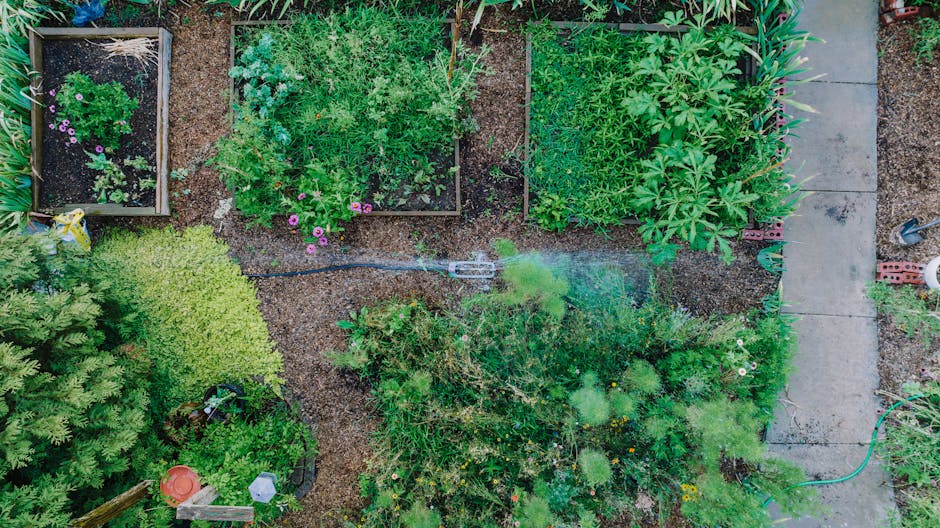
Soil temperature in a metal bed runs warmer than in-ground, which extends the season at both ends. In spring, I’m planting two to three weeks before my in-ground beds are workable. In fall, the bed holds warmth past the first light frosts. For a deck installation where you’re not getting the temperature modulation of surrounding soil mass, this is a real advantage.
The 15-inch profile is compact enough that the bed doesn’t dominate sight lines from inside the house, which matters on a patio that’s also used for other things. Whether aesthetics factor into your purchasing decision is entirely personal, but if you’re sharing the space with people who didn’t sign up for market garden living, the low profile helps.
The Thermoplastic Base in Practice
Two winters in, no cracking. I should note that my winters are cold but not reliably extreme. Birdies’ own documentation flags potential cracking in sustained very low temperatures, and I’d take that warning seriously in climates that see extended periods below zero Fahrenheit. If you’re in that situation, storing the base (or the whole unit) during the deep-cold months is probably wise.
The deck boards under the bed emerged from two seasons in good condition. No staining, no moisture damage, no warping. For a composite deck that cost real money, that outcome matters. I’ve seen what happens when a wood planter box sits on composite decking for a season. (I have not repeated that experiment.)
What It Doesn’t Do
No modular expansion. The Birdies ground installation beds have a modular system that allows you to join units, build corners, and create longer runs. The thermoplastic base unit is a standalone product. If your ideal setup is a continuous run of 8 or 12 feet, you’re either buying multiple separate units and placing them end to end or looking at a different product.
It also won’t suit anyone who wants to go deeper than 15 inches. Some root vegetables want more, and if deep-rooted crops are your priority on a hard surface, you’d want to look at the Vego Elevated Garden Bed, which offers leg-supported configurations with more depth options.
For straightforward in-ground or on-grade installations, there’s no reason to pay for the thermoplastic base feature you won’t be using. Options like a standard cedar raised bed kit or a metal garden beds raised setup cost less and perform comparably in-ground.
Soil and Watering Reality for a Sealed-Base Container
This is where a lot of first-time deck bed owners get surprised, and I’d rather address it directly. A sealed-base bed with drainage holes behaves more like a large container than a conventional raised bed. That changes two things.
First, your soil mix matters more. Standard garden soil or pure topsoil compacts badly in a contained system without good drainage below it. I fill this bed with a high-quality potting mix cut with about 20 percent perlite. It keeps the drainage holes functional and prevents the compaction that suffocates root systems in wet conditions. Don’t try to save money on soil here. The bed itself is an investment; the soil is what makes it pay off.
Second, you will water more often than you would with an in-ground or on-grade bed. The thermoplastic base stops moisture from drawing up from the ground below, and a 43x20 footprint in full sun on a patio can dry out faster than you expect in July. During summer heat I was watering every two days at minimum, sometimes daily. If you’re traveling or inconsistent about watering schedules, a drip irrigation line on a timer is worth the setup time. The cucumbers I grew the first season made this clear in their own blunt way.
The bed holds roughly 7 to 8 cubic feet of soil. That’s about five to six standard 1.5 cubic foot bags of potting mix — manageable and not expensive to fill, though you’ll want to top it off with an inch or two of compost each season as the mix settles.
Seasonal Care and Winterizing
End of season, I pull spent plants, loosen the top few inches, add a fresh layer of compost, and leave it covered with burlap through the winter. That’s all the bed needs from a growing standpoint.
The thermoplastic base is the only part that requires any real attention. In Zone 6a, my strategy is to leave it in place and monitor. The base has held through two winters without cracking. But if you’re in a harsher zone — sustained temperatures below negative ten or fifteen Fahrenheit — I’d seriously consider either removing the base and storing it inside a garage or shed, or moving the whole unit under shelter during the coldest months. The bed is light enough to move when empty, which makes this practical if needed.
The Colorbond steel panels don’t need any treatment at season end. They’re designed for outdoor exposure year-round and have held color and surface integrity well. Compared to the wood beds I used to maintain, which required at least a season-end inspection for rot and occasional wood preservative treatment, the Birdies panels are genuinely zero-maintenance.
What Surprised Me
I expected drainage to be the weak point. A sealed base on a raised bed sounded like a recipe for waterlogging, and I was wrong about that. The molded drainage holes discharge efficiently enough that even during a stretch of heavy rain in June, I didn’t see standing water in the bed. That was the most pleasant surprise of the first season.
The color has also held better than I expected. Colorbond is an industrial coating system and it behaves like one — Woodland Gray still looks consistent after two years of Connecticut sun, rain, and freezing. Some Colorbond beds I’ve seen from other buyers show color variation or fading on south-facing panels after a few years. I haven’t reached that point yet, but it’s worth watching.
What I underestimated was the watering demand. If I’d planned the drip irrigation from the start instead of adding it midway through the second season, I’d have had fewer stress moments with the cucumbers.
Pros and Cons
What works.
- Thermoplastic base genuinely protects deck and patio surfaces. This isn’t a marginal improvement over setting a standard bed on a mat.
- Colorbond steel holds up. No rust, no deformation after two seasons including multiple freeze-thaw cycles.
- Fifteen-inch depth is practical without creating a heavy, unwieldy unit.
- Drainage performs well even in high-rainfall periods.
- No toxic coating concerns. Food growing from day one.
What doesn’t.
- Single size, no modular expansion. Your layout is fixed at 43x20.
- Thermoplastic base carries a cold-weather cracking risk in the most extreme climates. Birdies acknowledges this.
- Soil capacity is limited relative to in-ground beds. Consistent watering and fertility management matter more in a contained system.
- it costs more than a comparable-footprint ground bed. You’re paying for the base, which you may or may not need depending on your installation situation.
Who It’s For
Deck and patio growers. This is the primary use case and the one where the product has no close competitors. If you’re growing on composite decking, hardwood, tile, or any surface you care about preserving, the thermoplastic base solves a real problem.
Apartment and condo owners with outdoor space. The footprint fits most balconies. The weight, when filled, is significant and bears checking against structural limits, but the form factor is right.
Anyone who has tried a standard planter box on a deck and dealt with the aftermath. If you’ve ever lifted a wooden planter off a deck after a season and found what’s underneath, that’s what the base design prevents.
Not the right choice if you’re installing directly in ground or on native soil. The base adds cost you don’t need. Not the right choice if you need a longer continuous run or a deeper bed than 15 inches. And if self-watering functionality is on your list, the self-watering elevated garden beds category is worth reviewing before you decide.
The Birdies brand has a strong following in the Epic Gardening community, and for this specific product, the reputation is earned. It’s not the most flexible bed they make. It’s the most purpose-fit one for hard-surface installation.
If you’re expanding beyond deck growing and want to think through the broader range of bed materials and configurations, the site’s raised bed coverage is a reasonable place to continue.
Birdies Garden Products Birdies Metal Raised Garden Bed with Thermoplastic Base, 43"x20"x15": Pros & Cons
- Thermoplastic base allows use on decks and patios without damaging surfaces
- 15-inch depth suits most vegetables in a compact profile
- One size configuration , no modular expansion
Frequently Asked Questions
Is the Birdies metal raised bed actually safe to put on composite decking?
Yes, and that is the specific problem it is designed to solve. The thermoplastic base sits between the steel walls and whatever surface is below, acting as a moisture barrier and a physical buffer. After two full growing seasons on a stone patio, the surface underneath showed no staining, moisture damage, or warping. Standard raised beds without a sealed base will damage composite decking over time.
Will the thermoplastic base crack in cold winters?
Birdies acknowledges this risk in their documentation, and it deserves to be taken seriously. Through two hard winters with temperatures regularly dropping to the mid-single digits Fahrenheit, the base held without issue. Sustained temperatures well below zero Fahrenheit over extended periods are the real risk zone. If your winters are that severe, removing and storing the base during the coldest months is a practical precaution.
Is Colorbond steel safe for growing vegetables?
Yes. Colorbond is a baked-on paint coating system, not a galvanized finish, so there is no zinc layer and no lead-based component. Birdies positions this product specifically for food growing, and the material specification supports that claim. It is one of the reasons to choose this over cheaper import beds with less transparent coating documentation.
How much does this bed weigh when filled with soil?
Expect roughly 200 to 250 pounds with a full soil load, depending on your mix. Lightweight potting mixes with perlite or coir bring the number down; dense soil blends push it higher. If you are placing this on an elevated deck, checking the deck's load-bearing capacity before filling is not optional.
Can I expand this bed or connect multiple units?
No. The thermoplastic base unit is a standalone, fixed-size product at 43 by 20 by 15 inches with no modular expansion option. Birdies' standard ground-installation beds have a modular system for joining units into longer runs, but that system does not apply here. If a continuous run or larger footprint is the priority, you would need to place separate units end to end or look at a different product entirely.