Worm Composting Kit Comparison: Bins vs Worms

Affiliate disclosure: Some links on this page are affiliate links. If you buy through them we earn a small commission at no extra cost to you. Recommendations are research-driven; we don't claim personal use of every product reviewed. Product prices and availability are accurate as of the date published and are subject to change. Always check Amazon for current pricing before purchasing. Learn more.

 Nature's Footprint Worm Factory 360 Black Vermicomposting System, 4-Tray Buy on Amazon
  Uncle Jim's Worm Farm Uncle Jim's Worm Farm 1000 Count Red Wiggler Composting Worms Buy on Amazon
 If you’ve been looking at worm composting and wondering whether to start with the bin or the worms, the answer is: you need both, and they’re sold separately. That’s the first thing most buyers don’t realize when they search for a worm composting kit. The Worm Factory 360 Black Vermicomposting System, 4-Tray is the system. The Uncle Jim’s Worm Farm 1000 Count Red Wiggler Composting Worms are what you put inside it. Buy one without the other and you have either an empty plastic tower or a bag of worms with nowhere to go.
This article covers both products honestly, explains where each one delivers and where each one falls short, and ends with a direct recommendation. If you’re working through the broader question of which composting method fits your setup, the Composting hub is worth reading alongside this.
At-a-Glance
The Worm Factory 360 currently runs on Amazon (at the time of writing), depending on color and seller. The Uncle Jim’s 1,000-count red wigglers ship for. Budget for both the bin and the worms to get a fully operational worm bin from a cold start. That’s a reasonable entry price for a system that, once established, produces two distinct fertilizer outputs: worm castings and liquid worm tea.
The Worm Factory 360 is a stacking tray system made in the USA by Nature’s Footprint. Four trays come in the base kit, with capacity to expand to eight. A spigot at the base drains liquid leachate, which (with appropriate dilution) functions as a liquid fertilizer. The instruction manual is detailed enough that a first-time vermicomposter can follow it without supplementing with YouTube tutorials.
Uncle Jim’s worms are not earthworms. Red wigglers (Eisenia fetida) are surface feeders that thrive in the confined, moist, organic-rich environment of a bin. Put them in garden soil and they’ll disperse and die. Put them in a properly set-up Worm Factory 360 and 1,000 of them will process a meaningful quantity of kitchen scraps weekly once they’ve acclimated.
| | Worm Factory 360 | Uncle Jim’s Red Wigglers | |,|,|,| | What it is | 4-tray stackable bin | 1,000 live red wigglers | | Made/shipped in USA | Yes | Yes | | Outputs | Castings + liquid tea | N/A (they are the input) | | Worms included | No | Yes (that’s the product) | | Temperature range | 40-80°F | Similar range for survival | | Expandable | Yes, up to 8 trays | Population self-regulates |
Why Choose the Worm Factory 360
The design logic is sound. Worms migrate upward through trays as lower trays become fully processed, which means you can harvest finished castings from the bottom without disturbing the active population above. If you’ve ever tried to separate worms from finished compost by hand in a single-chamber bin, you understand why this matters. (I have done this. It takes the better part of an hour and you never get them all.)
The liquid collection tray at the base and the spigot are genuinely useful. Worm tea, diluted roughly 1:10 with water, is an excellent liquid feed for container plants. Anyone who grows tomatoes or herbs in pots and currently spends money on liquid fertilizers should pay attention to this feature. The castings themselves are worth understanding in context. If you want a thorough breakdown of how they compare to conventional compost, the worm castings vs compost article on this site covers the differences in useful detail.

The modular design is practical for anyone starting with a smaller household. Begin with four trays, add trays as the worm population grows and your volume of kitchen scraps warrants it. The system scales without requiring a new bin purchase.
The Made in USA designation matters to some buyers and not to others, though I’d note the build quality is solid. The trays stack without warping, the spigot doesn’t leak, and the lid fits securely. After two seasons of use, mine shows no structural issues.
Where it falls short. The temperature constraint is real. The 40-80°F window means an unheated garage in a hard winter is not a viable location in most of the Northeast or Midwest. The bin needs to live somewhere climate-controlled: a basement, a mudroom, a kitchen corner. This is a non-issue for apartment dwellers, who are probably the system’s ideal user, but if you were planning to keep it in a detached shed from November through March, that won’t work.
The worms are not included. This seems obvious once stated, but enough buyers leave one-star reviews about receiving an empty bin that it’s worth stating plainly.
Why Choose Uncle Jim’s Red Wigglers
The 1,000-count is the right starting quantity for a Worm Factory 360. Not 500, not 2,000. A 1:1 ratio of worms to pounds of weekly food scraps is a reasonable starting rule of thumb, and most one-to-two person households generate about a pound of compostable kitchen waste per day. A healthy, established colony of 1,000 red wigglers can process up to four times their body weight in scraps per week, though “established” is doing real work in that sentence. Expect four to eight weeks before the colony is operating at capacity.
Uncle Jim’s ships live with moisture-retaining bedding material and offers a live arrival guarantee, provided you report issues within 48 hours of delivery. The guarantee is relevant because live shipping is weather-dependent. A package sitting on a hot loading dock in July or in a frozen delivery truck in January will arrive in worse condition than one shipped in May or September. Ordering in mild weather is not a minor suggestion, it’s the most practical thing you can do to protect your purchase.
Red wigglers are different from the earthworms you’d find in your garden beds, and the distinction matters. Earthworms are soil-column dwellers that move through mineral soil. Red wigglers are composting specialists that live in the top layer of decomposing organic matter. They do not belong in open beds and will not survive there. They belong in a bin like the Worm Factory 360, and that’s where they excel.
Where it falls short. The acclimation period is genuinely inconvenient if you’re expecting immediate results. New worms in a new bin will be stressed, will eat less, and will take time to establish. Don’t interpret slow early activity as a failed system. It isn’t.
Live shipping variability is the other real concern. Uncle Jim’s has a good reputation and the guarantee provides some protection, but you are purchasing a living product shipped through standard carrier networks. Weather timing, as noted, is your best mitigation.
Verdict
Buy both. That’s the recommendation, stated plainly.
The Worm Factory 360 is a well-designed, durable bin that produces two useful fertilizer outputs and expands as your needs grow. Uncle Jim’s 1,000 red wigglers are the appropriate starter population for that bin, priced fairly, and shipped with a reasonable live arrival guarantee. Together they run, which is a sensible investment for anyone who generates regular kitchen scraps and wants to convert them into something useful rather than sending them to landfill.
If your situation is an apartment or small home with indoor or conditioned-basement space available, this setup is close to ideal. It’s compact, odorless when managed correctly, and produces outputs that have real value for container gardening. For more context on how this fits into broader composting approaches, the Composting hub covers the full range of options.
If you’re managing a larger outdoor operation and want volume output rather than premium castings, something like the Rubbermaid compost bin or a larger outdoor unit would serve you better. The Worm Factory 360 is not a high-volume system. It’s a precision system. Know which one you need.
One timing note: order the worms after the bin arrives, not simultaneously. Set up the bin, add bedding, let it stabilize for a day or two, then introduce the worms into a ready environment. It’s a small thing that makes the acclimation period shorter and the early mortality rate lower.
Frequently Asked Questions
Do I need to buy the worms separately from the Worm Factory 360?
Yes. The Worm Factory 360 ships as a bin system only. No worms are included. The Uncle Jim’s 1,000 Count Red Wigglers are a natural pairing and the right starting quantity for the four-tray configuration.
Can I use regular garden earthworms in a worm composting bin?
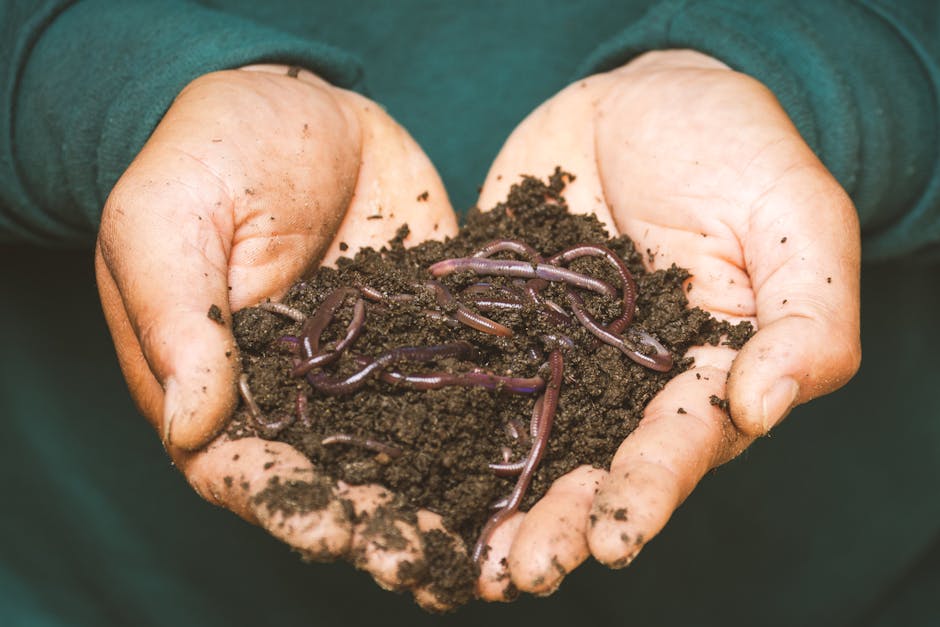
No. Garden earthworms are soil-column dwellers and won’t survive in a confined composting bin. Red wigglers (Eisenia fetida) are the species designed for this environment. They’re surface feeders that thrive in dense, moist organic matter, which is exactly what a worm bin provides.
Where should I keep the Worm Factory 360 during winter?
Somewhere that stays between 40 and 80°F. An unheated garage or shed in a cold-winter climate is not suitable from late fall through early spring. A basement, laundry room, or kitchen is fine. The bin is compact enough (18 inches square footprint) that indoor placement is practical.
How long before the worm bin is producing usable castings?
Expect three to four months before you have a tray of finished castings ready to harvest, assuming you’re feeding regularly and the worm population is healthy. The first few weeks involve acclimation, not high-volume processing. After that, a functioning colony of 1,000 worms will work through kitchen scraps steadily.
Is worm tea the same as compost tea?
They’re related but not the same. Worm tea (the liquid that drains from the Worm Factory 360’s base tray) is leachate from vermicomposting. It should be diluted before use, roughly 1 part liquid to 10 parts water, and applied to container plants or garden beds. It’s a useful liquid fertilizer, though its nutrient profile varies depending on what the worms have been processing.
Frequently Asked Questions
Why are worm composting bins sold separately from the worms?
Retailers cannot ship live worms inside a fully assembled bin, and the worms and bin have separate supply chains — one is manufactured goods, the other is live agricultural product. Budget approximately $120 to $130 to purchase both the Worm Factory 360 bin and 1,000 red wigglers from Uncle Jim's for a complete operational setup.
How many trays should I start with in the Worm Factory 360?
Start with the base four-tray configuration and add trays only as the worm population grows and fills each tray. Adding too many trays at once spreads the worms too thin, slows decomposition, and makes it harder to manage moisture levels. The modular system supports up to eight trays as the colony matures over several months.
What temperature range does a worm composting kit need to function correctly?
Red wigglers thrive between 55°F and 77°F and become sluggish or begin dying outside the range of 40°F to 80°F. In most climates, this means the bin should be kept indoors or in a temperature-controlled garage during winter. A kitchen, basement, or utility room all work well as long as the bin is properly managed to avoid odor.
What does a worm composting kit produce and how do I use the output?
A worm bin produces two outputs: solid worm castings (scraped from the lowest tray once processed) and liquid leachate collected in the base reservoir via a spigot. Castings are mixed into potting soil or applied as a top dressing; leachate is diluted to a light tea-color with water before applying to avoid over-concentration at the root zone.
How long before a new Worm Factory 360 starts producing usable worm castings?
Expect 60 to 90 days from initial setup before the first tray is ready to harvest as finished castings. The worms need several weeks to acclimate to the bin, begin processing food at full rate, and migrate upward into newer trays as lower trays are consumed. Consistent feeding, proper moisture, and avoiding overfeeding all accelerate this timeline.
Where to Buy
Nature's Footprint Worm Factory 360 Black Vermicomposting System, 4-TraySee Worm Factory 360 Black Vermicompostin… on Amazon