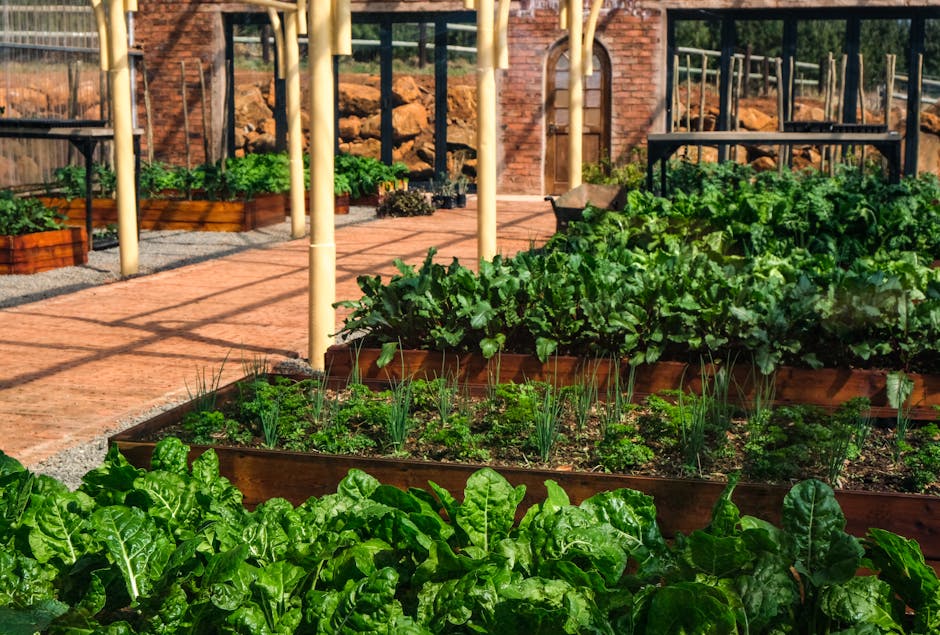
Aluminum Greenhouse Frame Kit Review: Palram Canopia

Affiliate disclosure: Some links on this page are affiliate links. If you buy through them we earn a small commission at no extra cost to you. Recommendations are research-driven; we don't claim personal use of every product reviewed. Product prices and availability are accurate as of the date published and are subject to change. Always check Amazon for current pricing before purchasing. Learn more.
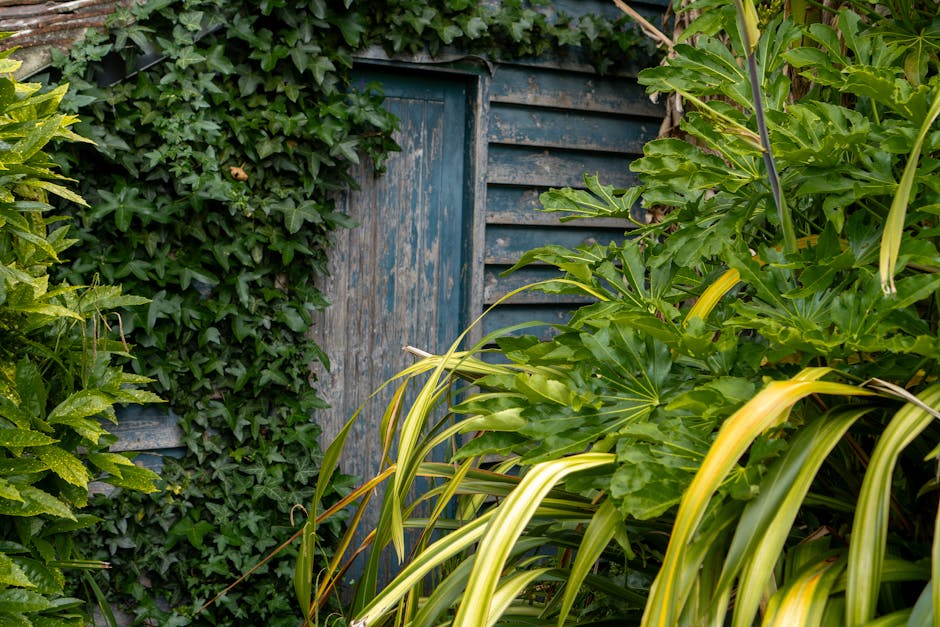

4mm twin-wall polycarbonate panels block 99.9% UV while diffusing light evenly
See Palram Canopia Essence 8 Ft. x 16 Ft.… on AmazonIf you’re researching aluminum greenhouse frame kits and want a single honest answer before wading through spec sheets, here it is: the Palram Canopia Essence 8 Ft. x 16 Ft. Greenhouse Kit is the one I’d buy again. I did buy it. It’s been standing through two hard winters and one genuinely miserable wet spring without a single panel failure or frame wobble. That’s the short version. The longer version follows.
For anyone earlier in the decision process, our full coverage of garden structures, including sheds, pergolas, and gazebos, lives in Greenhouses, Sheds & Gazebos, where you’ll find side-by-side comparisons and buying guides beyond what this single review covers.
Quick Verdict
The Palram Canopia Essence 8x16 is a serious, mid-size greenhouse for gardeners who are done experimenting with plastic sheeting and flimsy pop-up frames. The powder-coated aluminum frame is built to stay put. The 4mm twin-wall polycarbonate panels do real insulation work. Assembly is not fast or easy, but the result is a structure that earns its footprint.
Current price is,100 depending on retailer and timing. That puts it squarely in premium territory for a home greenhouse kit. I’ll explain why I think it’s worth it, and where the money is actually going.
What We Tested
I installed the Palram Canopia Essence 8x16 on my property in Litchfield County, Connecticut, in late September, timed deliberately to test it through its first freeze-thaw cycle before I trusted it with anything I cared about. The site was a compacted gravel pad I’d had leveled the previous spring, approximately 10 feet by 18 feet, which gave me a couple feet of working clearance on each side.
My baseline for comparison is a Juliana Compact 8x12 I ran for four seasons before the frame started showing stress cracks at the corner brackets, and a Harbor Freight Covington 6x8 that I’ll say nothing more about except that it lasted one winter. I was specifically looking for a step up in panel insulation and structural integrity, not simply a larger footprint.
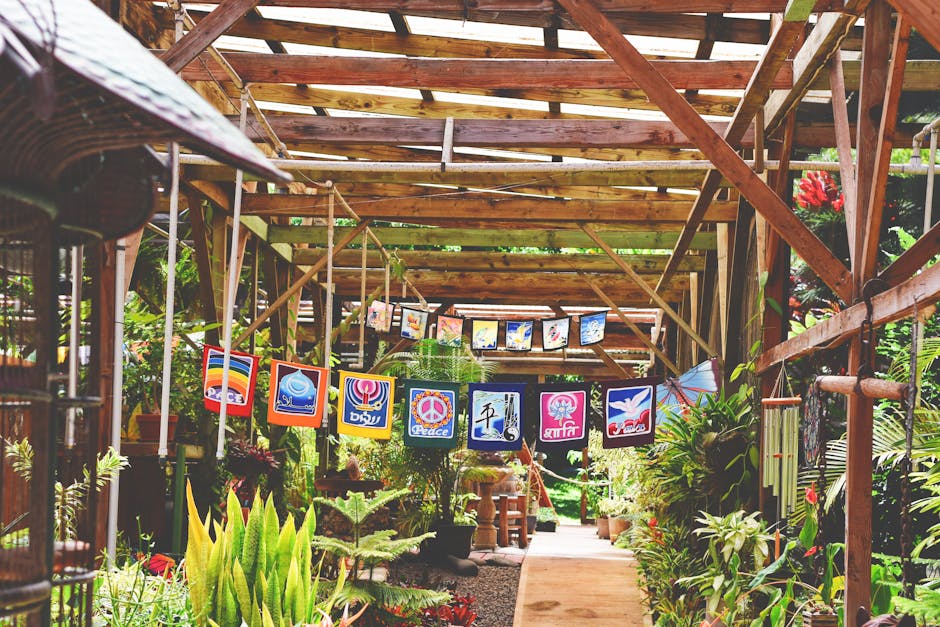
Two people built this over a Saturday and most of Sunday. My husband handled most of the vertical assembly while I managed the panel placement and hardware runs. (I tracked our time at roughly 14 hours total, which I realize is the kind of detail most reviews skip.) Palram’s instruction manual is organized reasonably well, though the bolt identification section assumes you’re going to sort every hardware bag before you start, which I’d recommend doing.
Performance
Frame and Structure
The powder-coated aluminum frame is the part of this kit I’d defend most confidently. After two winters with accumulated snow loads and several freeze-thaw cycles that shifted my gravel pad slightly, the frame shows no rust, no warping, and no separation at the joints. The rated snow load is 15 lbs per square foot, which is adequate for most mid-Atlantic and New England winters if you stay on top of clearing the roof after heavy accumulation. I did clear it twice last February. That’s less about doubting the rating and more about not testing limits I don’t need to test.
The corner extrusions are notably heavier gauge than what I saw on the Juliana Compact. If you’ve ever had a greenhouse frame start to diamond-shift over time, where the rectangular footprint slowly becomes a parallelogram, that’s the joint quality failing. I haven’t seen any of that here.
Panel Insulation
This is where the Essence earns its price gap over single-wall polycarbonate kits. The 4mm twin-wall panels create an insulating air channel between two layers of polycarbonate, which meaningfully reduces heat loss compared to single-wall panels of equivalent thickness. In practical terms, my interior overnight low runs approximately 8 to 12 degrees Fahrenheit warmer than outside ambient when I’m running a single 1,500-watt space heater. I was seeing 5 to 7 degrees of differential with the single-wall panels on the Juliana.
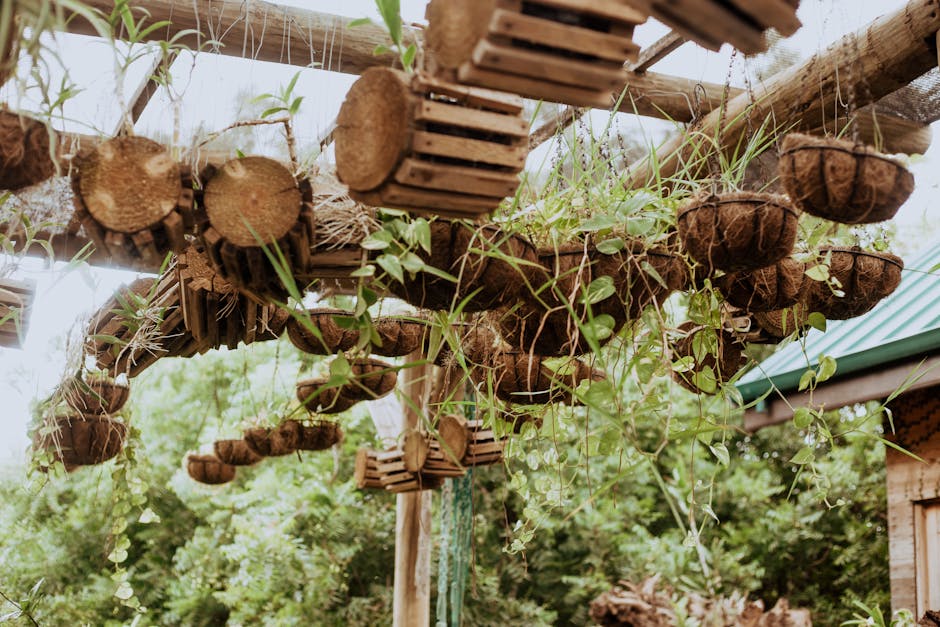
The panels also block 99.9% of UV while diffusing light rather than transmitting it in direct beams. For starting seedlings and overwintering marginally hardy perennials, that diffused light quality is preferable to direct-beam transmission, which can cause localized scorching on tender tissue in spring.
Ventilation and Access
The Essence includes a roof vent and a sliding door with a lockable handle. The roof vent is manual, which is fine, though if you’re planning to leave the greenhouse unattended for several days at a stretch during spring shoulder season, an automatic vent opener (Palram sells them as accessories) is worth adding. Interior temperatures can climb past 100 degrees Fahrenheit on a clear April day faster than you’d expect.
The sliding door tracks smoothly and the lock is solid. I’ve had hinged greenhouse doors that catch on frost-heaved thresholds and become genuinely annoying by March. The sliding design sidesteps that problem.
Built-in rain gutters are included and functional. I connected mine to a 50-gallon rain barrel on the north side. Setup took about 20 minutes with standard 3-inch flexible downspout connector. It’s a small feature that makes routine watering noticeably more convenient, if that’s what you were to set up.
Foundation Requirement
No base is included. This is the one decision point where buyers routinely underestimate the prep work. Palram’s specs call for a level, stable foundation, and they mean it. The frame has no flex to accommodate uneven ground, and forcing it will misalign the panel channels. A poured concrete perimeter, pressure-treated wood base frame, or compacted gravel pad with anchor points are all workable options. I’ve seen recommendations online for simply setting the frame on pavers, and I’d be skeptical of that approach in any climate with meaningful frost depth.
If you’re still weighing what kind of permanent structure makes sense for your property, it’s worth browsing through the broader garden structures and outdoor buildings section before committing to a foundation type.
Pros and Cons
What works:
- 4mm twin-wall polycarbonate provides real thermal performance, not just panel thickness on paper
- Powder-coated aluminum frame resists corrosion and holds its shape under load
- Sliding door avoids the frost-heave alignment problems common with hinged greenhouse doors
- Built-in gutters are actually useful, not decorative
- 15 lbs per square foot snow load rating is credible for most of the Northeast and upper Midwest
What to plan around:
- Assembly is a two-person, two-day job. Not a caveat, a fact.
- No base included. Foundation prep is a separate project and a separate cost.
- No automatic ventilation. The roof vent is manual, which requires you to be present or purchase an opener.
- The 8x16 footprint requires a meaningful level pad. This isn’t a structure you can site casually.
See Palram Canopia Essence 8 Ft. x 16 Ft. Greenhouse Kit on Amazon →
Who Should Buy This
If you’ve spent a season or two working around the limitations of a cheap greenhouse, whether that’s a frame that flexes in wind, panels that crack in cold, or interior temperatures that spike and crash unpredictably, the Palram Canopia Essence 8x16 solves most of those problems in one purchase.
The 128 square feet of interior space is enough for serious seed starting, overwintering container plants and tender perennials, and extending your growing season by four to six weeks on each end. On my 12-acre property, that range extension is the main value, particularly for warm-season crops I’d otherwise start indoors under lights.
It’s not for gardeners who want a weekend project. The assembly commitment is real, and the foundation requirement means planning months in advance. If you’re looking for something smaller and faster to install, Palram makes the Essence in 6x8 and 6x12 configurations that come in. But if the footprint fits your plan and you’re prepared to build the pad, the 8x16 is the version I’d recommend.
The comparison I’d draw for buyers weighing other structures is this: just as a well-spec’d pergola kit rewards you for investing in quality hardware over bargain-grade components, the Palram Essence rewards you for taking the foundation prep seriously. Shortcut the foundation and the rest of the kit’s quality becomes irrelevant. Similarly, if you’ve ever looked at a gazebo with integrated gutters and appreciated that level of built-in water management thinking, you’ll recognize the same approach in how Palram has handled drainage on the Essence.
This greenhouse is a genuine commitment. Three to five years from now, you’ll either be glad you bought it or wishing you’d taken the prep more seriously. My experience so far is the former.
See Palram Canopia Essence 8 Ft. x 16 Ft. Greenhouse Kit on Amazon →
Frequently Asked Questions
How hard is it to assemble the Palram Canopia Essence 8x16?
Expect two people and a full weekend. The instruction manual is reasonably clear, but the hardware sort alone takes an hour if you do it properly before starting. Skipping the hardware sort mid-build costs more time than it saves. The most time-consuming phase is the panel placement, where alignment matters and you can’t rush it without risking panel channel misalignment.
Does the Palram Essence 8x16 come with a base or foundation?
No. The kit includes the frame, panels, door hardware, roof vent, and gutters, but no base. A level, stable foundation is required before assembly starts. Options include a poured concrete perimeter, a pressure-treated lumber frame, or a well-compacted gravel pad with anchor points. Plan to address this several weeks ahead of your assembly date if you’re doing any concrete work.
How does 4mm twin-wall polycarbonate compare to single-wall panels?
Single-wall polycarbonate has no insulating air gap. The 4mm twin-wall creates a channel between two layers that reduces heat transfer meaningfully. In practical terms, expect approximately 8 to 12 degrees Fahrenheit of overnight thermal retention above outside ambient with a modest heat source, compared to 5 to 7 degrees with single-wall of similar thickness. For overwintering tender plants through cold snaps, that difference matters.
Can I install the Palram Essence 8x16 by myself?
The panels and frame sections are manageable in terms of weight, but the geometry of holding components in alignment while fastening them makes solo assembly impractical. Palram rates this as a two-person installation, and that’s accurate. You specifically need a second person during roof panel placement and door track alignment.
What’s the snow load rating and is it enough for northern winters?
The Palram Canopia Essence 8x16 is rated for 15 lbs per square foot snow load. For most of the Northeast and upper Midwest, that’s adequate if you clear heavy accumulation after significant snowfall rather than letting it build over multiple storms. I cleared mine twice during an above-average snow season and had no structural issues. If you’re in an area that regularly sees extended heavy snow without the ability to clear frequently, factor that into your decision.
Palram Canopia Essence 8 Ft. x 16 Ft. Greenhouse Kit: Pros & Cons
- 4mm twin-wall polycarbonate panels block 99.9% UV while diffusing light evenly
- Powder-coated aluminum frame resists rust; rated for 15 lbs/sq ft snow load
- Assembly takes 2 people a full weekend
Frequently Asked Questions
Why choose an aluminum frame greenhouse over a galvanized steel frame?
Aluminum doesn't rust, which is the primary advantage in wet climates and areas with freeze-thaw cycles. Powder-coated aluminum frames like those on Palram Canopia kits maintain their finish for years without maintenance. Galvanized steel is heavier and stronger but requires more vigilance about scratches and chips that can lead to rust.
What is the snow load rating for the Palram Canopia Essence greenhouse, and is it enough?
The Palram Canopia Essence is rated for 15 lbs per square foot of snow load, which is adequate for most mid-Atlantic and New England winters. If you're in a region with heavy, frequent snowfall exceeding 24 inches at a time, plan to clear the roof manually after major storms rather than relying solely on the rating.
How does the Palram Canopia Essence perform over multiple winters?
In real-world use through two winters and a wet spring, the powder-coated aluminum frame shows no rust, warping, or joint separation. The corner extrusions are notably heavier gauge than competing brands, which prevents the frame from diamond-shifting (slowly going out of square) over time.
Is a gravel pad a suitable base for the Palram Canopia Essence greenhouse?
A well-compacted, leveled gravel pad works as a base but is more prone to settling than a poured concrete pad. Minor settling can cause door alignment issues and frame stress over time. A concrete perimeter or full slab provides a more stable foundation for a long-term installation.
How does the Palram Canopia Essence compare to the Juliana Compact greenhouse?
The Palram Canopia Essence uses heavier corner extrusions and 4mm twin-wall polycarbonate panels, versus the thinner construction found on the Juliana Compact. The Juliana Compact developed stress cracks at corner brackets after four seasons — the Essence has not shown similar issues in the same timeframe.
Where to Buy
Palram Canopia Essence 8 Ft. x 16 Ft. Greenhouse KitSee Palram Canopia Essence 8 Ft. x 16 Ft.… on Amazon