Cedar Raised Bed Kit Review: Greenes Fence Premium

Affiliate disclosure: Some links on this page are affiliate links. If you buy through them we earn a small commission at no extra cost to you. Recommendations are research-driven; we don't claim personal use of every product reviewed. Product prices and availability are accurate as of the date published and are subject to change. Always check Amazon for current pricing before purchasing. Learn more.
North American cedar is naturally rot-resistant and contains no toxic preservatives
See Greenes Fence Premium Cedar Raised Ga… on AmazonIf you’ve spent any time researching Raised Beds for a vegetable garden, you’ve probably noticed that the options split into three rough categories: cheap pine that rots in two seasons, expensive metal corrugated panels, and natural wood kits that sit somewhere in between on both price and longevity. The Greenes Fence Premium Cedar Raised Garden Bed, 4’ x 8’ x 17.5” falls into that third category, and it’s the one I’ve had the most direct experience with. I have four of these on the property. Two went in three years ago, two more last spring. My opinion of the kit has shifted somewhat over that time, and I’ll tell you exactly how.
Quick Verdict
The Greenes Fence Premium Cedar kit is a solid, no-nonsense raised bed for gardeners who want natural wood without toxic preservatives and aren’t interested in assembling something with a manual and a drill. as of this writing), it sits in a reasonable spot between throwaway lumber-yard builds and higher-end metal options. The 17.5-inch depth is genuinely useful for root vegetables and perennial herbs, and the North American cedar holds up well if you’re willing to oil it occasionally.
This is not the cheapest option on the market. It is the right option for a specific type of gardener. I’ll tell you whether that’s you.
Key Specs
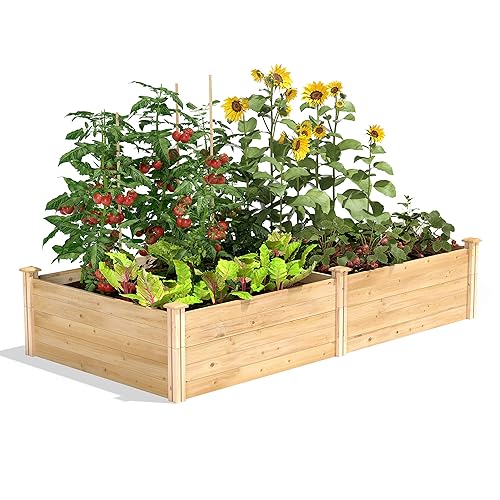
The 4x8x17.5-inch configuration gives you 32 square feet of planting surface and enough depth for carrots, parsnips, or any perennial you’d rather not disturb once established. The boards are 3/4-inch thick, which is noticeably sturdier than the 1/2-inch stock you’ll find in budget kits at the big-box stores. The corner brackets are pre-formed, the boards are pre-cut, and the assembly requires no tools. I did one of these in about 20 minutes working alone (I timed this, mostly out of skepticism about the claim on the box).
The cedar is sourced from North America and contains no chemical preservatives, which matters if you’re growing food. Treated lumber concerns aside, cedar is naturally resistant to rot and insect damage because of the oils the wood already contains. The kit is manufactured in the USA.
At the 4x8 size, the assembled bed weighs enough that you want to know exactly where it’s going before you fill it. Moving a bed with 600-plus pounds of soil in it is not something you do twice.
Performance and Testing
Assembly
The no-tool claim is accurate. The boards slot into corner bracket channels and stack to height. If you’ve ever assembled flat-pack furniture and found it soul-destroying, this is not that. The fit on my first two beds was clean. On the third bed, one board had a slight warp that required some persuasion to seat properly, but it seated. I’d call that normal wood variation rather than a quality control problem.
The pre-cut lengths are accurate. The 4x8 footprint comes out to 4x8 after assembly, not 3’10” by 7’11” the way some kits manage.
Durability Over Three Seasons
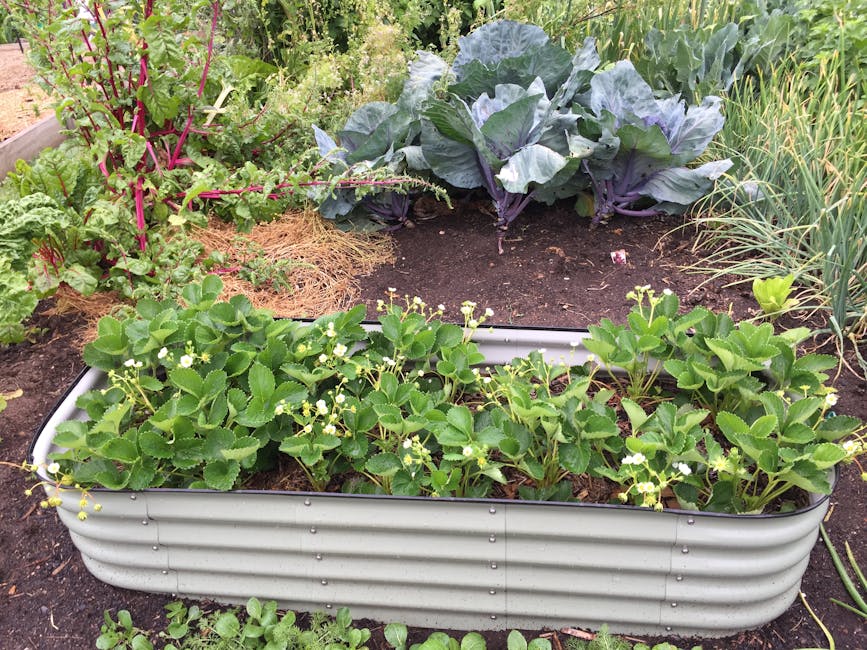
The two beds I installed three years ago have held up well with one application of raw linseed oil in year one and nothing since. The wood has grayed, as cedar does. If gray weathered cedar bothers you aesthetically, you’ll need to oil annually or accept the color change. I don’t mind it, and I’d argue it looks better at three years than it did at installation, which I realize is a specific complaint to have about untreated wood.
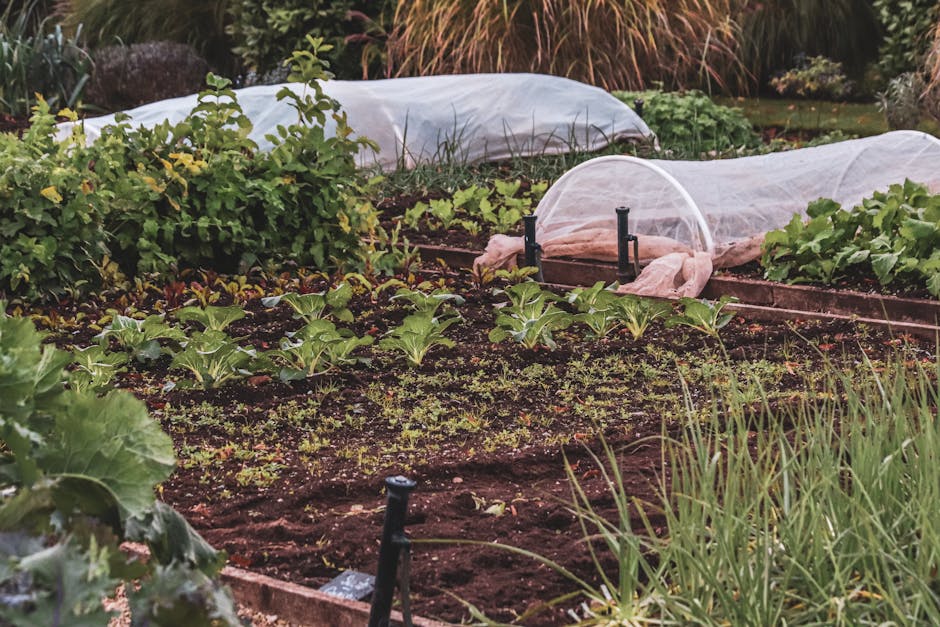
The boards show no splitting, no significant warping, and no rot. The corner brackets are still snug. I’ve had hard winters with freeze-thaw ground movement that has shifted my stone borders noticeably, and these beds have stayed square.
For comparison, I ran a set of untreated pine beds before switching to cedar. The pine started to degrade noticeably at the end of season two. The corner joinery on those beds failed before the wood did. The Greenes Fence bracket system is a meaningful improvement.
Depth and Growing Performance
The 17.5-inch depth is the feature that differentiates this kit from most competitors in the same price range, where 10 or 11 inches is standard. I grow Chantenay carrots and ‘Dragon’ purple carrots in two of these beds, and I’ve never had root distortion from hitting the bottom of the bed. In shallower beds, I had that problem regularly.
The depth also means more thermal mass in spring and fall, which helps extend the growing window on both ends. A 10-inch bed drains faster and cools faster. These don’t.
Comparison to Metal Alternatives
The Vego Garden 17-inch Raised Bed Kit, and the metal panels will outlast the cedar by a decade or more with no maintenance. If you’re setting up a permanent installation you plan never to move and longevity is the primary concern, that’s worth considering. The trade-off is that metal heats up faster in full sun, which can stress roots in July, and it doesn’t have the same thermal moderation the wood provides in shoulder seasons.
If you’re interested in a broader comparison of material options, the overview on wooden raised beds garden kits covers the trade-offs in more detail than I’ll go into here.
Comparison to DIY Cedar Builds
You can source your own cedar boards and build a comparable box for less money if you’re comfortable with basic carpentry. The Greenes Fence kit is not for that person. It’s for the gardener who wants to avoid a trip to the lumber yard, the cutting, the drilling, and the hardware sourcing. The price premium over a DIY build is real, but it’s paying for convenience and a known result.
Pros and Cons
Pros.
North American cedar with no chemical preservatives. This matters for food production and it matters if you’re in an area with any concern about soil contamination from treated wood leaching.
The 17.5-inch depth. Most kits at this price point don’t offer it.
Actual 3/4-inch boards. The weight and rigidity difference compared to 1/2-inch stock is noticeable when you’re assembling the bed and when you’re leaning on the side of it pulling weeds.
No-tool assembly that works as advertised. Made in the USA.
Cons.
Cedar weathers to gray. If you want to maintain the warm amber appearance, you need to seal it. Raw linseed oil is the easy, food-safe option. Tung oil works too. Budget for that if appearance matters to you.
The 4x8 footprint requires placement planning. This is not a kit you move around seasonally. Know where it’s going.
The price reflects quality, but it’s not nothing. but the upfront number is higher.
The kit covers the 4x8 configuration well, but if you want a different shape, say a 2x8 or a 4x4, you’re looking at different SKUs with different pricing. The modular options exist but aren’t always obvious on the product page.

See Greenes Fence Premium Cedar Raised Garden Bed, 4’ x 8’ x 17.5” on Amazon →
Who It’s For
This kit makes sense for gardeners who want a natural material, are growing food and don’t want treated lumber anywhere near it, and would rather spend 20 minutes on assembly than an afternoon in a hardware store. The depth makes it particularly well-suited to root vegetables and perennial herbs that need to be left undisturbed.
If you have a formal kitchen garden or a setup where appearance matters, the weathered gray aesthetic of cedar is actually a point in its favor, not against it. It ages gracefully in a way that painted lumber and plastic kits don’t.
It’s not the right choice if you want a permanent installation with zero maintenance over a 20-year span. For that, the Vego Garden panels or a poured concrete border will serve you better. It’s also not the right choice if your primary concern is the lowest possible cost per square foot of growing space.
For a broader look at how this kit fits into the full landscape of options, the cedar raised garden bed kit guide is worth reading before you buy, particularly if you’re still deciding between sizes.
Anyone who gardens seriously on a property of any scale, puts food production ahead of aesthetics, and wants wood that won’t need replacing in three years, this is the kit I’d point to at this price point.
Frequently Asked Questions
How long will a cedar raised bed kit actually last?
With a basic annual application of raw linseed oil or tung oil, a North American cedar bed should hold up for 10 to 20 years. Left completely untreated, you’re more likely looking at 7 to 10 years before you see significant degradation, depending on your drainage and how wet your winters are. The Greenes Fence beds I installed three years ago show no sign of rot or structural failure without oil since year one.
Do I need to line the inside of the cedar bed?
No. Cedar’s natural oils provide rot resistance without a liner, and lining the interior can actually trap moisture against the wood in certain configurations and accelerate decay. If you’re worried about soil contact, don’t be. If you’re worried about weed intrusion from below, a layer of cardboard at the bottom before you add soil is inexpensive and effective.
Is cedar safe for growing vegetables and edible crops?
Yes. Natural cedar contains no chemical preservatives. The rot resistance comes from the wood’s own oils, not from added compounds. This is the relevant distinction from pressure-treated lumber, which you should not use for food-growing beds. The Greenes Fence kit uses untreated North American cedar throughout.
Can I expand the Greenes Fence bed after purchase?
The Greenes Fence system does offer compatible expansion kits and connectors, so you can link beds or extend the footprint without starting over. The compatibility depends on which kit generation you have. Check the specific product page for expansion options before assuming any add-on will work with an existing installation.
How much soil does a 4x8x17.5-inch raised bed require?
A 4x8x17.5-inch bed holds approximately 28 to 30 cubic feet of soil, or roughly 1.1 cubic yards. In bags, that’s around 18 to 20 cubic foot bags of a soil and compost mix, at a minimum. Budget accordingly, because the soil is almost always the larger expense when setting up a new raised bed.
Greenes Fence Premium Cedar Raised Garden Bed, 4' x 8' x 17.5": Pros & Cons
- North American cedar is naturally rot-resistant and contains no toxic preservatives
- 17.5-inch depth with 3/4-inch thick boards , sturdier than cheap pine alternatives
- Cedar weathers to grey over time , seal with linseed or tung oil to maintain appearance
Frequently Asked Questions
How long will a cedar raised bed kit actually last?
With a basic annual application of raw linseed oil or tung oil, a North American cedar bed should hold up for 10 to 20 years. Left completely untreated, you're more likely looking at 7 to 10 years before you see significant degradation, depending on your drainage and how wet your winters are. The Greenes Fence beds installed three seasons ago show no sign of rot or structural failure without oil since year one.
Is cedar safe for growing vegetables and edible crops?
Yes. Natural cedar contains no chemical preservatives. The rot resistance comes from the wood's own oils, not from added compounds. This is the relevant distinction from pressure-treated lumber, which you should not use for food-growing beds. The Greenes Fence kit uses untreated North American cedar throughout.
Should I choose cedar or metal for a raised bed?
Cedar insulates soil temperature better in shoulder seasons, costs less upfront, and ages attractively if maintained. Metal panels like the Vego Garden beds will outlast the cedar by a decade or more with no maintenance. If you're setting up a permanent installation you plan never to move and longevity is the primary concern, metal is worth considering. Cedar is the better choice if thermal moderation, natural materials, and a lower entry price are priorities.
How much soil does a 4x8x17.5-inch raised bed require?
A 4x8x17.5-inch bed holds approximately 28 to 30 cubic feet of soil, or roughly 1.1 cubic yards. In bags, that's around 18 to 20 cubic foot bags of a soil and compost mix at minimum. Budget accordingly, because the soil is almost always the larger expense when setting up a new raised bed.
Do I need to line the inside of a cedar raised bed?
No. Cedar's natural oils provide rot resistance without a liner, and lining the interior can actually trap moisture against the wood in certain configurations and accelerate decay. If you're worried about weed intrusion from below, a layer of cardboard at the bottom before you add soil is inexpensive and effective.
Where to Buy
Greenes Fence Premium Cedar Raised Garden Bed, 4' x 8' x 17.5"See Greenes Fence Premium Cedar Raised Ga… on Amazon