Vego vs VEGEGA Metal Raised Garden Beds: Key Differences

Affiliate disclosure: Some links on this page are affiliate links. If you buy through them we earn a small commission at no extra cost to you. Recommendations are research-driven; we don't claim personal use of every product reviewed. Product prices and availability are accurate as of the date published and are subject to change. Always check Amazon for current pricing before purchasing. Learn more.
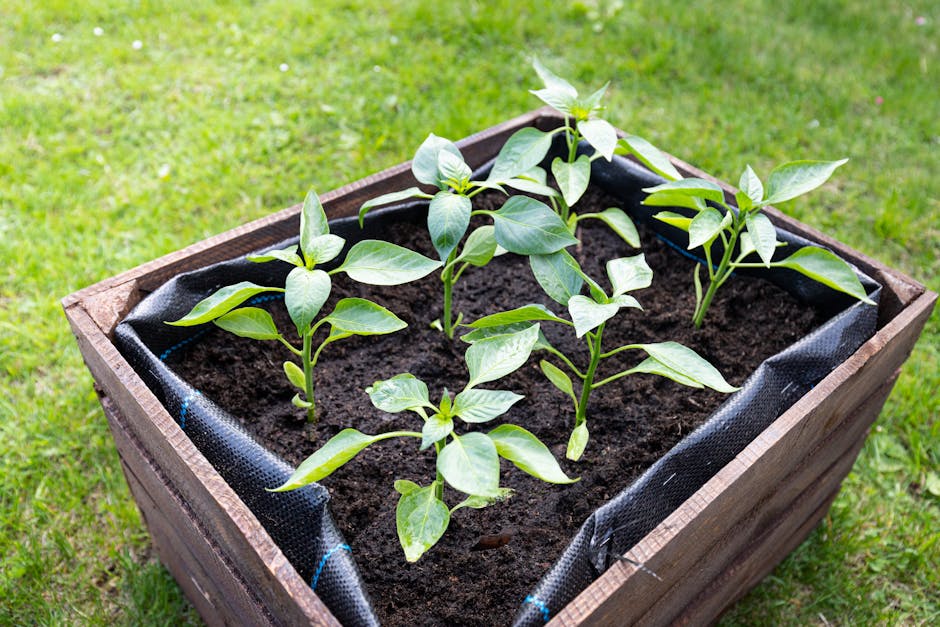
 Vego Garden Vego Garden 17" Tall 6-in-1 Modular Metal Raised Bed, Olive Green Buy on Amazon
 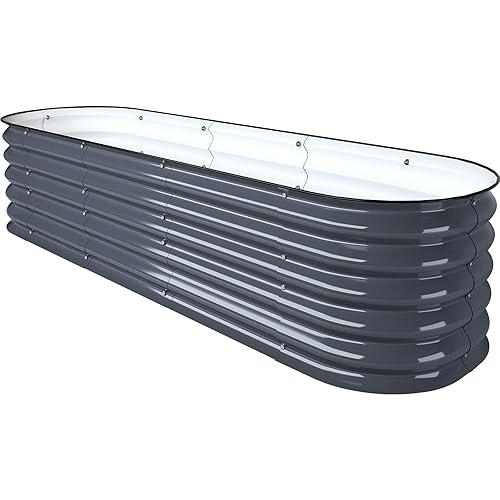 VEGEGA VEGEGA 17-Inch Tall 6-in-1 Modular Metal Raised Garden Bed Buy on Amazon
 If you’ve spent any time researching raised garden bed metal options, you’ve almost certainly landed on both of these products within the same browser session. The Vego Garden 17” Tall 6-in-1 Modular Metal Raised Bed and the VEGEGA 17-Inch Tall 6-in-1 Modular Metal Raised Garden Bed are nearly identical on paper: same depth, same modular concept, overlapping price range, and names that are genuinely easy to confuse. I’ve had both assembled on my property, and the differences are real, even if they’re not where the marketing materials suggest. This isn’t a case where one product is clearly inferior. It’s a case where the right answer depends on a few specifics that matter more than the overall star rating.
For a broader look at material and configuration options before you commit, the Raised Beds hub covers a lot of ground worth reading first.
At-a-Glance
| Feature | Vego Garden 17” 6-in-1 | VEGEGA 17” 6-in-1 | |,|,|,| | Height | 17 inches | 17 inches | | Panel coating | Aluzinc-coated steel | Zinc-aluminum-magnesium coated steel | | Configuration options | 6 shapes (square to hexagon) | 6 shapes | | Edge safety | Standard (sharp during assembly) | Rounded safety edges | | Color options | Multiple, including Olive Green | More limited selection | | Assembly clarity | Good | Instructions can be confusing |
Prices at time of writing. Both fluctuate with Amazon promotions and which configuration you’re ordering.
The coating terminology is worth unpacking because both brands use it as a selling point and it genuinely matters. Standard galvanized steel uses a zinc coating. Aluzinc (Vego’s material) adds aluminum to that zinc layer, significantly improving corrosion resistance. VEGEGA’s zinc-aluminum-magnesium coating takes this a step further on paper, adding magnesium for enhanced edge and cut-surface protection. Whether that translates to meaningful real-world longevity difference over a 10-plus-year ownership window is something neither brand can actually prove yet. Both coatings are a legitimate upgrade over basic galvanized. Don’t let anyone sell you basic galvanized at a premium price by dressing it up as something else.

Why Choose Vego Garden
The 17-inch depth is the headline, and it earns that position. If you’ve ever grown tomatoes in a 10- or 12-inch bed and watched the roots hit hardpan or compacted clay underneath, you know what restricted root depth costs you in yield. At 17 inches, you have enough room for indeterminate tomatoes, deep-rooting carrots, and winter squash without the plants fighting for space below the soil line. This is not the kind of depth you get from the flat-pack galvanized trough beds that turn up at hardware stores in spring.
The Vego Garden 17” Tall 6-in-1 Modular Metal Raised Bed is Vego’s flagship product, and the Aluzinc coating is where they’ve genuinely differentiated themselves from cheaper alternatives. The brand claims 3-5x better corrosion resistance compared to standard galvanized, which is consistent with the material science behind Aluzinc. I wouldn’t take the exact multiplier as gospel, but the coating is visibly heavier than what you find on entry-level beds, and after two wet springs with freeze-thaw ground movement, my Vego panels show no surface degradation.
The six configuration options are more useful than they sound. The ability to go from a standard rectangle to an L-shape, hexagon, or irregular polygon means you can work around an existing tree, follow a slope, or fit a narrow side yard that a fixed-dimension bed couldn’t accommodate. I’ve configured mine as an L-shape along a fence line, which I mention only because the assembly was genuinely straightforward once I stopped trying to follow the diagram and just laid the panels out on the ground first. (Do that.)
What to Watch
The panels get hot. Direct afternoon sun in summer will raise soil temperature in a metal raised bed, and if you’re in a region that runs above 90°F for weeks at a stretch, that’s not trivial. Mulching the soil surface helps significantly, but it’s a real consideration if you’re growing heat-sensitive crops or planting in a south-facing bed with no afternoon shade. This is less of an issue in areas with cooler summers and more of a genuine problem in the South or Southwest, though I appreciate that’s not everyone’s planting situation.
Assembly edges are sharp. Not dangerously so, but wear gloves. The instruction to wear gloves is in the manual; I’m repeating it because it’s the kind of instruction people skip until they’re on their second small cut. The panels are heavy-gauge steel, and the cut edges are not deburred to any meaningful degree.
If you’ve been looking at the Vego Elevated Garden Bed alongside this, note that the elevated version is a different product category with legs, a higher price, and different structural considerations. The 6-in-1 ground-level bed is what this comparison covers.
Why Choose VEGEGA
The rounded safety edges are not a marketing footnote. If you’ve assembled a metal raised bed and come away with small cuts on your forearms and hands, the VEGEGA 17-Inch Tall 6-in-1 Modular Metal Raised Garden Bed addresses that directly. The panels are finished with rolled or folded edges rather than raw cut steel, and the difference during assembly is noticeable. For anyone assembling alone, or assembling with older kids helping, this matters.

The zinc-aluminum-magnesium coating is the other genuine differentiator. Adding magnesium to the zinc-aluminum alloy improves protection specifically at cut edges and corners, which are typically the first places corrosion takes hold on metal garden beds. Both Vego and VEGEGA are using premium coatings relative to the broader market, but VEGEGA’s material specification is marginally better on paper for long-term edge protection.
At current pricing, VEGEGA typically runs a bit less than the comparable Vego configuration, which is not a dramatic difference but is real money if you’re buying two or three beds at once. I’ve seen gardeners dismiss this as negligible, but if you’re building out a full kitchen garden setup across several beds, the gap compounds.
The 17-inch depth matches Vego, so there’s no compromise on root space. Deep-rooted crops, root vegetables, anything with significant below-ground development: VEGEGA handles the same plant list.
What to Watch
The assembly instructions are genuinely unclear. VEGEGA’s documentation has improved over product iterations, but I’ve found third-party YouTube walkthroughs consistently more useful than the included instructions. Budget an extra 20,30 minutes for your first assembly if you’re going in cold. This is a real friction point, not a minor caveat.
Color selection is narrower than Vego’s. If the aesthetic of your beds matters to your overall garden design (and there’s nothing wrong with that being a consideration), Vego offers more choices. VEGEGA’s available colors are serviceable but limited.
VEGEGA is also worth keeping in mind as a practical alternative when Vego Garden inventory runs low. Both beds ship from similar supply chains, and Vego’s flagship products go out of stock more frequently during peak spring ordering. If you’re planning a spring installation and waiting on Vego availability, VEGEGA is not a compromise pick.
For comparison against cedar and other materials, the Birdies Metal Raised Garden Beds article covers a third metal option worth considering, and if you’re still evaluating whether metal is the right call for your setup at all, the wooden raised beds garden kits piece lays out where wood still makes more sense.
Verdict
Buy the Vego Garden 17” Tall 6-in-1 Modular Metal Raised Bed if aesthetics and configuration flexibility matter to you, if you want the better-documented assembly experience, and if you’re in a climate where corrosion is the primary long-term concern. The Aluzinc coating is proven, the brand support is better, and the color options give you more to work with if the bed is in a visible location.
Buy the VEGEGA 17-Inch Tall 6-in-1 Modular Metal Raised Garden Bed if assembly safety is a real concern for you or your household, if the slightly lower price matters across multiple beds, or if Vego is currently out of stock and you don’t want to wait. The rounded edges are a meaningful practical improvement, and the zinc-aluminum-magnesium coating is the better specification for edge protection over time.
Neither bed is a wrong choice. Both deliver the 17-inch depth that actually separates a serious growing bed from the shallow-rooted alternatives, and both use coatings that will outlast standard galvanized by a significant margin. The rest of the decision comes down to your specific situation.
If you’re still working through the wider decision about materials and configuration styles, the full raised bed section on this site covers the range from metal to cedar to self-watering options.
Frequently Asked Questions
How long do metal raised garden beds actually last?
With a quality coating like Aluzinc or zinc-aluminum-magnesium, expect 15,20 years under normal conditions, and potentially longer in drier climates. Standard galvanized beds are more typically rated for 8,10 years. The coating type matters more than the gauge of the steel for longevity in most garden environments.
Is a 17-inch raised bed deep enough for tomatoes?
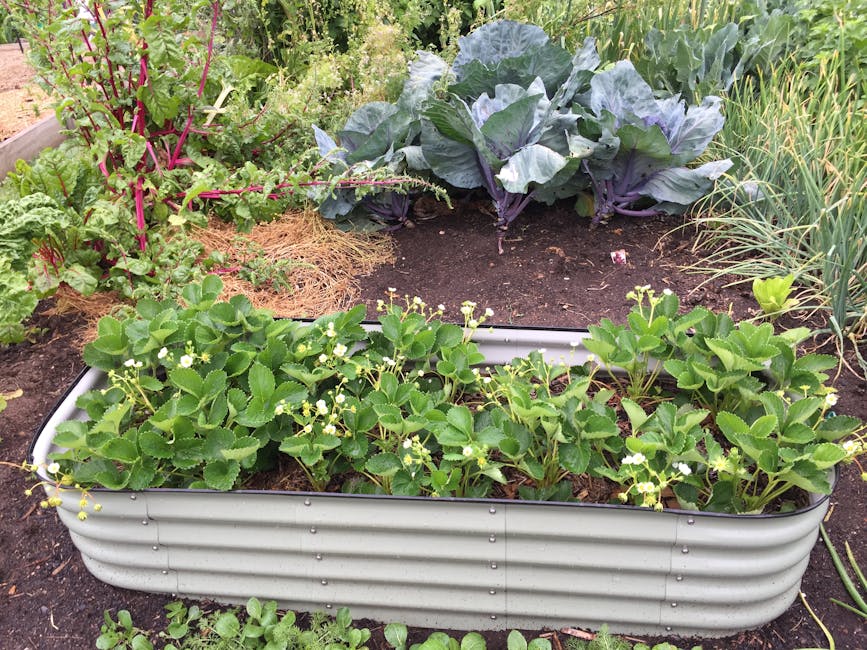
Yes. Tomatoes need a minimum of 12 inches, and prefer more. At 17 inches, you have adequate depth for indeterminate tomato varieties, provided you’re using quality, well-draining soil. Root vegetables like parsnips and carrots will also do well at this depth without hitting the base.
Are metal raised beds safe for growing vegetables?
Both Vego Garden and VEGEGA use food-safe coatings. Aluzinc and zinc-aluminum-magnesium coatings do not leach meaningful levels of heavy metals into soil under normal garden conditions. The concern about galvanized steel and zinc toxicity applies primarily to old or degraded coatings, or to beds made with recycled galvanized material of unknown origin.
Which is easier to assemble: Vego Garden or VEGEGA?
Vego Garden, based on documentation quality alone. The assembly instructions are clearer, and the panels fit together with less ambiguity. VEGEGA’s rounded edges make the physical handling easier, but the instruction quality is a genuine weak point. If you go with VEGEGA, find a YouTube walkthrough before you start.
Can I expand a 6-in-1 metal raised bed later?
Both systems are modular, and both brands sell additional panels that allow reconfiguration. Whether you can expand the footprint specifically depends on which configuration you’ve assembled. An L-shape or hexagon configuration can be reconfigured using the existing panels, but adding square footage requires purchasing additional panel sets. Check compatibility with the specific brand before buying add-on panels, as Vego Garden and VEGEGA panels are not interchangeable.
Frequently Asked Questions
What is the difference between Aluzinc and zinc-aluminum-magnesium coatings on metal raised beds?
Both are significant upgrades over standard galvanized steel. Aluzinc, used by Vego Garden, adds aluminum to the zinc layer for 3 to 5 times better corrosion resistance than basic galvanized. VEGEGA's zinc-aluminum-magnesium coating adds magnesium as well, which improves edge and cut-surface protection specifically — the points where corrosion typically starts first on assembled metal panels.
Will a 17-inch metal raised bed get too hot for vegetable roots in summer?
In regions with extended stretches above 90 degrees Fahrenheit and direct afternoon sun, metal panels can raise soil temperatures enough to stress heat-sensitive crops. Mulching the soil surface is the most effective mitigation. In cooler climates or beds with afternoon shade, soil temperature in a metal bed is not a meaningful concern.
Are Vego Garden and VEGEGA panels interchangeable if I want to expand later?
No — the two brands use different connection hardware and panel dimensions. Panels from Vego Garden and VEGEGA are not cross-compatible. If you plan to expand a bed later, stay within the same brand and confirm that the expansion panel sets are compatible with the specific configuration you installed.
How much soil does a 17-inch deep 4x8 metal raised bed require?
A standard 4x8 bed at 17 inches deep holds approximately 27 to 28 cubic feet of soil — roughly 1 cubic yard. At typical bagged soil prices of $8 to $12 per 1.5 cubic foot bag, filling a single 4x8 bed runs $150 to $225 in soil alone. Buying soil in bulk cubic yard quantities from a local landscape supplier is significantly more cost-effective for multiple beds.
Is it safe to grow vegetables in metal raised beds without a liner?
Yes — both Vego Garden and VEGEGA use food-safe coatings that do not leach heavy metals into soil at meaningful levels under normal garden conditions. A liner is not required for food safety. Some gardeners add a breathable landscape fabric liner to the bottom to deter burrowing pests or slow weed intrusion from below, but this is a pest management choice, not a health requirement.
Where to Buy
Vego Garden 17" Tall 6-in-1 Modular Metal Raised Bed, Olive GreenSee Vego Garden 17" Tall 6-in-1 Modular M… on Amazon