Patio Infrared Heater Comparison: Electric vs Propane

Affiliate disclosure: Some links on this page are affiliate links. If you buy through them we earn a small commission at no extra cost to you. Recommendations are research-driven; we don't claim personal use of every product reviewed. Product prices and availability are accurate as of the date published and are subject to change. Always check Amazon for current pricing before purchasing. Learn more.

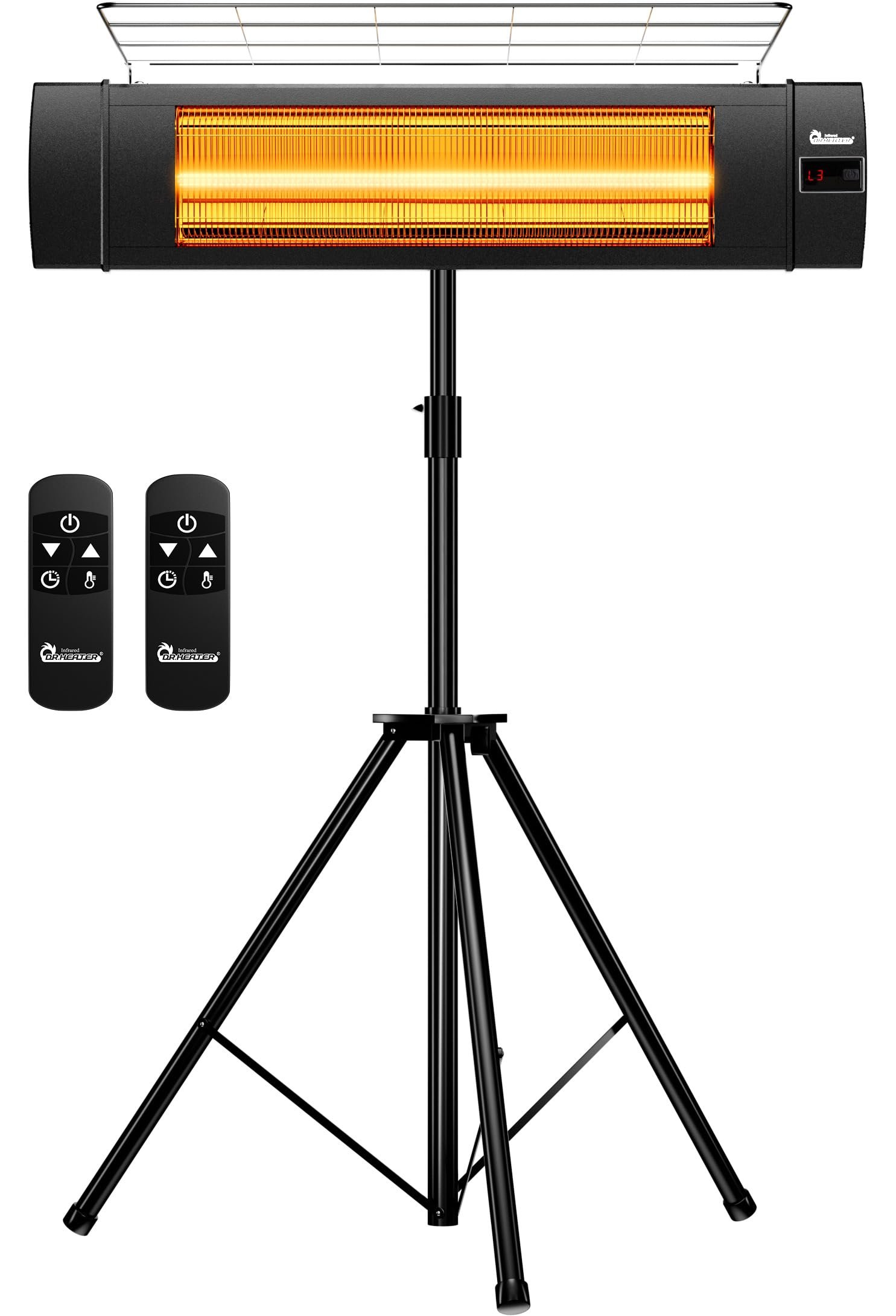 Dr Infrared Heater DR. INFRARED HEATER Carbon Infrared Patio Heater with Tripod & Remote Buy on Amazon
 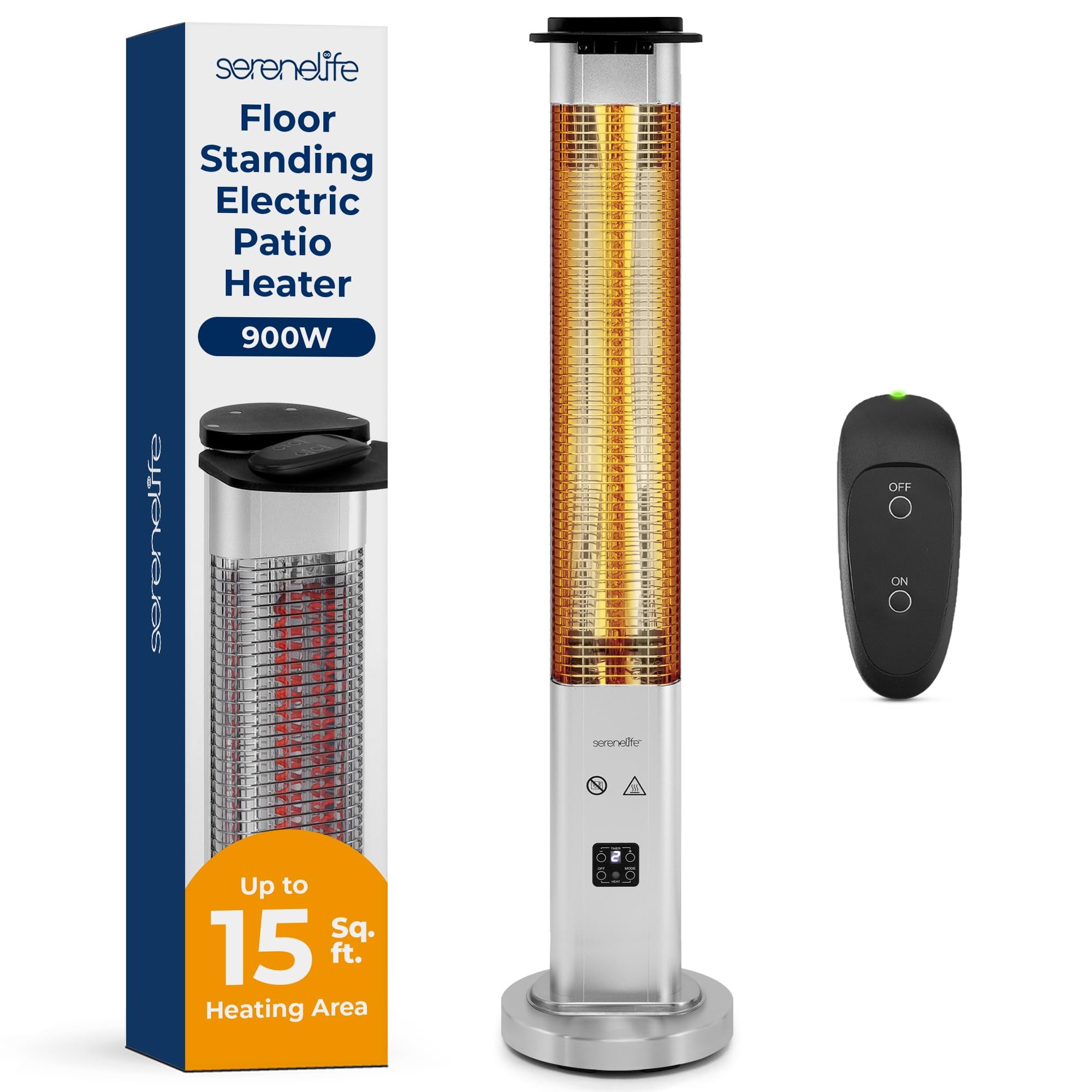 SereneLife SereneLife 900W Electric Infrared Patio Heater with Aluminum Reflector, IP65 Buy on Amazon
 The market for patio infrared heaters has gotten genuinely crowded, and most buying guides handle this by listing specs and calling it a day. That’s not useful when you’re standing in your backyard trying to figure out whether you need 900 watts or 1500, propane or electric, wall-mounted or freestanding. I’ve been testing and swapping outdoor heaters on my 12-acre property for several years now, and my starting position is: most people buy more heater than they need, or they buy the wrong fuel type for their setup entirely.
This comparison focuses on two electric infrared heaters worth your attention. If you’re also weighing propane options or wall-mount-only units, our Fire Pits & Patio Heaters hub covers the broader category. For now, the head-to-head is the DR. INFRARED HEATER Carbon Infrared Patio Heater with Tripod & Remote against the SereneLife 900W Electric Infrared Patio Heater with Aluminum Reflector, IP65.
At-a-Glance
| | Dr. Infrared Carbon Tripod | SereneLife 900W IP65 | |,|,|,| | Heat output | 1500W | 900W | | Heat source | Carbon tube infrared | Infrared with aluminum reflector | | Mounting | Freestanding tripod or wall-mount | Wall-mount or ceiling | | Weather rating | Not IP-rated | IP65 | | Remote control | Yes | No | | Tip-over protection | Yes | N/A (fixed mount) | | Best for | Flexible placement, larger coverage area | Budget buyers with a fixed, wet-exposed location |
Both units plug into a standard outdoor outlet. Neither runs on propane. If you don’t have an accessible outdoor outlet within cord range of where you want heat, stop here and look at the propane options instead.
Why Choose the Dr. Infrared Carbon Tripod
The Dr. Infrared is the more capable heater of the two, and the reasons are specific rather than vague.
Carbon tube vs. quartz: it matters more than it sounds
Most budget electric infrared heaters use quartz elements. The Dr. Infrared Carbon Infrared Patio Heater with Tripod & Remote uses a carbon tube, which emits a longer infrared wavelength. In practice, that means the heat penetrates rather than just warming the air around the element. On a cold, still night it’s a meaningful difference. On a windy night it matters even more, because infrared that warms objects and people directly isn’t lost when air moves through.
The unit runs at 1500W, which is the standard for a full-coverage patio heater. At that output, it handles a seating area of roughly 150 square feet adequately. Smaller than that and you’re paying for output you don’t need. Larger than that, and you should be looking at the Luxeva 2-in-1 Wall-Mounted & Freestanding Infrared Heater at, which adds six heat modes and heats in about three seconds. The Dr. Infrared sits in the middle tier and does it well.
The tripod is genuinely useful, if you have the floor space
Freestanding means you can move the heater. That’s not a trivial feature if you rearrange your seating based on weather or season, or if your covered patio isn’t where you spend evenings in July but is exactly where you want heat in October. The tripod takes up roughly a 24-inch footprint. On a small deck that may be annoying. On anything larger than 200 square feet, it’s workable.
It also wall-mounts if you decide the tripod placement isn’t right. Most wall-mount-only heaters don’t offer the reverse. If you’re comparing this against dedicated wall-mount options, I’d point you toward our wall-mounted patio heater coverage for that specific configuration.
Remote control and safety features
The remote is included, not an add-on. That’s relevant when your heater is mounted overhead and you don’t want to drag a chair over to reach a switch. Tip-over protection is present, which matters on a tripod-based unit on an uneven surface. (I’ve knocked over more outdoor equipment than I care to admit, and a heater shutting off on contact with the ground is not a feature I consider optional.)
the Dr. Infrared is mid-range for electric infrared. Not cheap, not premium.
Where it falls short
No IP rating. That’s the real limitation. The Dr. Infrared is an outdoor heater, but it isn’t rated for direct water exposure. Under a covered patio, in a screened porch, or beneath a pergola with good overhead coverage, that’s fine. In a location that gets direct rain splash or regular moisture exposure, it becomes a liability.
Why Choose the SereneLife 900W IP65
The SereneLife 900W Electric Infrared Patio Heater with Aluminum Reflector, IP65 doesn’t try to compete on output or features. It competes on two things: weather resistance and price.
IP65 is a meaningful spec in this category
IP65 means the unit is fully dust-tight and protected against water jets from any direction. That’s not “splash resistant” or “weather resistant,” which are marketing terms without a defined standard. IP65 is a defined standard. For a heater mounted on the exterior wall of an outbuilding, under an open pergola, or anywhere it will see real rain exposure, IP65 matters.
Most heaters in the budget range don’t carry an IP rating at all. The SereneLife does, which is why it earns a place in this comparison despite its lower wattage.
900W: know what you’re buying
Nine hundred watts covers roughly 90,100 square feet adequately in mild conditions. In a cold snap with temperatures in the low 30s, that coverage shrinks. This is not a heater for warming a 200-square-foot patio in November. It’s appropriate for a small seating area, a breakfast nook off the back of the house, or a covered spot where you need supplemental warmth rather than primary heat output.
The aluminum reflector helps direct the output. SereneLife’s design focuses the beam rather than radiating in a wider cone, which improves effective warmth in the target zone while reducing wasted heat. That’s a reasonable engineering trade-off at this wattage and price.
Quiet operation
No fan. Infrared heaters don’t require fans by design, but some models add them anyway. The SereneLife runs silent, which is either irrelevant or important depending on how you use your outdoor space. If you’re sitting outside for a long evening with a book or a conversation, ambient fan noise gets old fast.
The price argument
At entry-level, the SereneLife is an entry point, not a compromise, if it matches your actual situation. If your situation is a small covered area with direct weather exposure and a limited budget, it’s the right call. If your situation requires 1500W, flexible placement, or a remote, it isn’t.
If you’re also considering adding ambient warmth to an outdoor seating area with a fire element, our coverage of fire pit with coffee table options and rectangular fire pit table designs might be worth your time. A patio infrared heater and a fire pit table solve different problems, but they’re often bought for the same reason.
Where it falls short
No remote. Fixed mounting only. And 900W means you’ll notice the ceiling on cold nights. The SereneLife is also a newer brand in the space, which means less long-term user data than you’d have with Dr. Infrared’s track record. That’s worth factoring in, though I’d put more weight on the IP65 spec than on brand longevity at this price point.

Verdict
Buy the Dr. Infrared Carbon Infrared Patio Heater with Tripod & Remote if you want a 1500W heater with placement flexibility, a remote, and carbon-tube performance. It’s the better all-around heater for a standard covered patio setup where moisture exposure is limited.
Buy the SereneLife 900W if your priority is IP65 weather resistance at entry-level and your space is small enough that 900W is adequate. It’s not the more powerful unit, but it’s the right unit for anyone who needs genuine outdoor weather ratings without spending significantly more.
If neither quite fits and you want more output with full dual-mount flexibility, the Luxeva 2-in-1 steps up the category at a higher price. And if you don’t have an outdoor outlet at all, the propane route deserves a look. The Avenger FBDTP30 and XtremepowerUS dual burner both and mount directly on a 20-lb propane tank, meaning no outlet and no stand required.
For the full range of outdoor heat and fire options, the heating and fire pits section has everything organized by fuel type and use case.
,
Frequently Asked Questions
How far should a patio infrared heater be mounted from seating?
For a 1500W unit like the Dr. Infrared, mounting height of 6 to 8 feet above the seating surface is standard. Too close and the radiant heat feels intense and uncomfortable. Too far and the warmth dissipates before it reaches people. Most manufacturers specify a minimum clearance in the manual. Read it. The 900W SereneLife at lower output can mount closer, roughly 5 to 6 feet, without discomfort.
Can I leave a patio infrared heater outside year-round?
For an IP65-rated unit like the SereneLife, yes, in most situations. For a non-rated unit like the Dr. Infrared, no. Sustained exposure to rain, frost, and freeze-thaw cycles will shorten the lifespan of any heater without a weatherproof rating. Even IP65 units benefit from a cover or storage during extended off-seasons.
Is infrared heat better than a propane patio heater?
It depends on what you mean by better. Infrared electric heaters are quieter, produce no combustion byproducts, and don’t require fuel management. Propane heaters offer portability and higher BTU output without needing an outlet. For a fixed, covered patio with power access, electric infrared is usually cleaner and lower maintenance. For an open space or a location without an outlet, propane wins on practicality.
What does IP65 actually mean for an outdoor heater?
IP65 is an ingress protection rating defined by the IEC standard 60529. The “6” means the unit is fully protected against dust. The “5” means it withstands water projected from a nozzle from any direction. It does not mean the unit is submersible. For a patio heater mounted outside in normal weather conditions including rain, IP65 is adequate. IP55, which the Luxeva carries, offers slightly less water resistance but is still substantially better than no rating.
Do patio infrared heaters work in wind?
Better than convective heaters, but wind still affects performance. Infrared radiation warms objects and people directly rather than warming air, so it’s less vulnerable to air movement than a heater that relies on warming the surrounding air. That said, at 15 mph or above, even infrared heat becomes noticeably less effective at range. For exposed, windy locations, a higher-wattage unit or a sheltered placement makes more difference than heater type.
Frequently Asked Questions
What wattage do I need for a patio infrared heater?
For a standard covered patio up to 150 square feet, 1500W is the right starting point. Nine hundred watts works for small seating areas or mild climates, but it struggles when temperatures drop into the low 30s. Size your wattage to your square footage, not to your budget.
Do electric infrared patio heaters need a dedicated circuit?
A 1500W unit draws about 12.5 amps on a standard 120V circuit. Most outdoor outlets share a 15- or 20-amp circuit breaker, so you'll want to verify nothing else heavy is running on the same breaker. Dedicated circuits are not usually required, but overloaded shared circuits are a common install mistake.
Can a patio infrared heater be used under a wood pergola safely?
Yes, as long as you maintain the manufacturer's minimum clearance distance — typically 12 to 18 inches from combustible surfaces overhead. Carbon-tube and quartz infrared elements focus heat downward, not upward, so a properly mounted heater under a pergola presents low risk when clearances are respected.
How long do carbon infrared heating elements last?
Carbon tube elements typically last 5,000 to 10,000 hours of use, compared to 3,000 to 5,000 hours for quartz. For average seasonal use of around 200 hours per year, a carbon element can last 25 or more years. Most failures occur from moisture damage or physical impact rather than element burnout.
Is a wall-mount or freestanding infrared heater better for a patio?
Wall-mount saves floor space and is harder to knock over, making it better for small decks or high-traffic areas. Freestanding tripod units like the Dr. Infrared offer repositioning flexibility, which matters if your seating layout changes seasonally. If your patio setup is fixed, wall-mount wins on practicality.
Where to Buy
Dr Infrared Heater DR. INFRARED HEATER Carbon Infrared Patio Heater with Tripod & RemoteSee DR. INFRARED HEATER Carbon Infrared P… on Amazon