Wood Burning Fire Pit Table: Solo Stove vs Gas One

Affiliate disclosure: Some links on this page are affiliate links. If you buy through them we earn a small commission at no extra cost to you. Recommendations are research-driven; we don't claim personal use of every product reviewed. Product prices and availability are accurate as of the date published and are subject to change. Always check Amazon for current pricing before purchasing. Learn more.
 Solo Stove Solo Stove Bonfire 2.0 Smokeless Fire Pit Buy on Amazon
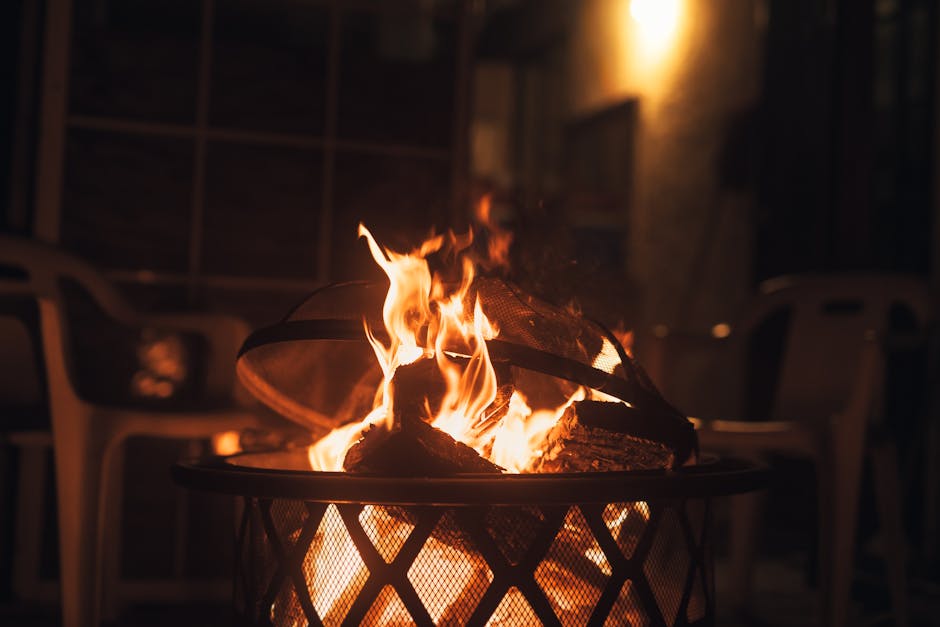
  Gas One Gas One 22" Wood Burning Fire Pit with Mesh Lid and Poker Buy on Amazon
 There are two fire pits on Amazon that come up constantly in buyer conversations, and they are not particularly similar products. The Solo Stove Bonfire 2.0 Smokeless Fire Pit is the premium option in this comparison. The Gas One 22” Wood Burning Fire Pit with Mesh Lid and Poker is the budget entry. That gap is the whole story, if you want the short version. If you want to know whether the price difference is worth it, that requires a more specific answer, because it depends almost entirely on how you use a wood burning fire pit table and what you’re actually trying to solve.
I’ve covered the broader category over at our Fire Pits & Patio Heaters hub if you’re still in the early stages of figuring out what type of unit makes sense for your situation. This article assumes you’ve landed on wood-burning and you’re trying to decide how much to spend.
At-a-Glance Comparison
| | Solo Stove Bonfire 2.0 | Gas One 22” Fire Pit | |,|,|,| | Price tier | Premium | Budget | | Diameter | 19.5 inches | 22 inches | | Weight | 20 lbs | ~12 lbs | | Material | 304 stainless steel | Painted steel | | Smoke output | Low (with dry wood) | Traditional campfire smoke | | Ash pan | Yes, removable | No | | Spark screen | No (sold separately) | Yes, included | | Cooking grate | No (sold separately) | No | | Portability | High | High | | Expected lifespan | 7+ years with basic care | 2-3 seasons without cover |
Neither of these is a fire pit with coffee table setup or a permanent patio installation. Both are freestanding bowl designs. The difference is in build quality, smoke management, and what you’re paying for the privilege of sitting next to one.
Why Choose the Solo Stove Bonfire 2.0
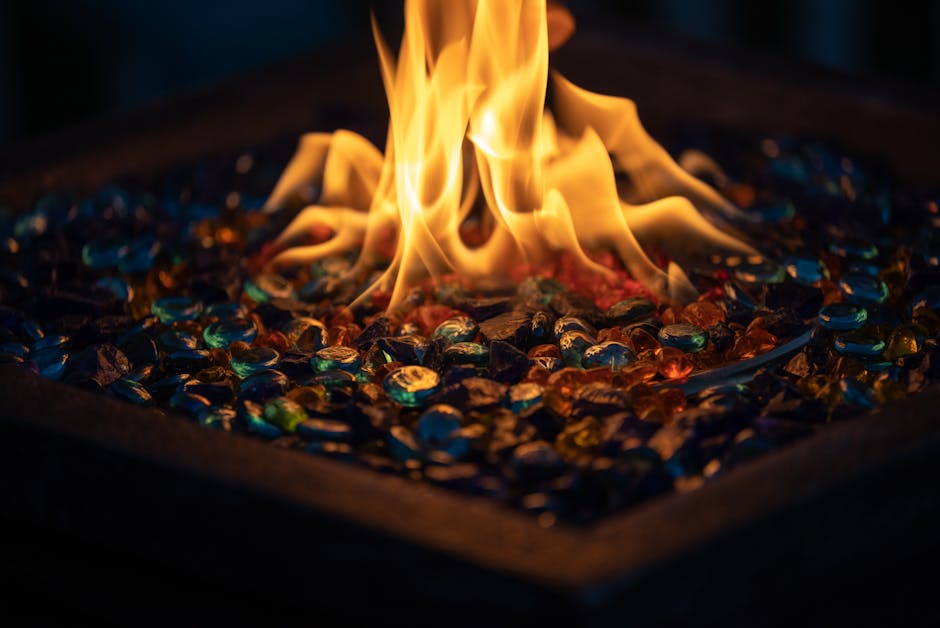
The Solo Stove’s reputation is built on its double-wall construction and the secondary combustion it produces. Hot air drawn up through the gap between the inner and outer walls re-enters the burn chamber through jets near the top rim, igniting gases that would otherwise produce smoke. The result, when everything is working as intended, is a noticeably cleaner burn than a traditional open bowl.
I want to be direct about the conditions attached to that claim. “Smokeless” is marketing language. “Significantly less smoke than a conventional fire pit, provided you use properly seasoned hardwood” is accurate. Feed this thing wet wood or green splits and you’ll get smoke. The physics require a hot, consistent burn, and you cannot achieve that with wood that’s been sitting in a damp pile. If you’re buying bags of kiln-dried hardwood from the hardware store, you’ll be fine. If you’re burning whatever’s fallen in the yard, you’ll be disappointed.
Build Quality and Longevity
The 304 stainless steel construction is the other reason people pay a premium for this. At 20 lbs, the Bonfire 2.0 is light enough to carry to a different part of the property or bring on a camping trip, but the material is serious. With reasonable care (keeping it out of standing water, knocking out the ash, storing it under cover through winter), this should last a decade or more. Comparable units from Breeo, specifically the X Series 24 which I’d put in the premium tier above the Solo Stove, use similar stainless construction and similar longevity arguments.
Cleanup
The removable ash pan is underrated. You slide it out from the bottom, walk it to the compost or trash, and you’re done. Anyone who has ever crouched over a traditional fire pit with a hand trowel and a grocery bag knows what this solves. (I timed the cleanup at under three minutes, versus closer to fifteen with my old bowl pit.)
What’s Missing
No spark screen comes in the box. If you’re running this on a wooden deck or anywhere near furniture, you’ll want one, and Solo Stove sells a compatible lid separately. No cooking grate either, which matters if you were hoping to grill over the fire. The Bonfire 2.0 isn’t really designed for cooking, though Solo Stove does sell accessories that make it possible.
The 19.5-inch interior is comfortable for four to six people seated around it, and realistically fine up to eight if you’re not crowded. It’s not a large gathering fire.
Why Choose the Gas One 22” Fire Pit
The honest case for the Gas One 22” Wood Burning Fire Pit is simple. If you want a wood fire on a patio this weekend and you’re not ready to spend at the premium price point, this gets you there at a budget price. It includes a mesh spark screen and a poker. The 22-inch bowl is large enough to take standard split logs without further cutting. That’s a reasonable entry point.
If you have children or pets, or you’re positioning this on a wooden deck, the included mesh lid matters. Flying embers are a genuine concern with any open wood fire, and a spark screen reduces (not eliminates) that risk. The Solo Stove’s design naturally reduces embers through more complete combustion, but the Gas One ships with physical protection included. That’s worth acknowledging.
The Smoke Situation
This burns like a campfire because it is a campfire, architecturally speaking. Open bowl, no airflow optimization, no secondary combustion. Smoke will follow guests around the fire based on wind direction, and on a still night with damp wood you’ll end up smelling like a bonfire for the next twelve hours. If that bothers you, the Gas One is the wrong product. If it doesn’t, or if part of the appeal of a wood fire is exactly that smell and experience, then a price premium for reduced smoke is hard to justify.
Durability
Painted steel in outdoor conditions degrades. Two to three seasons is a realistic lifespan before rust becomes a structural problem, and that assumes you’re using a cover or bringing it inside during hard winters. At a budget price, replacement is still cheaper than maintaining the Solo Stove over the same period, though my advice would be to factor in the cumulative cost if you’re planning to use this long-term.
A quality cover makes a significant difference to the lifespan of any steel pit, and if you’re the type to leave things out through the season, that’s worth building into the budget. We’ve covered propane fire pit covers elsewhere on the site, and the sizing and storage principles apply equally to wood-burning bowl pits.
Size and Usability
The 22-inch diameter is slightly wider than the Solo Stove Bonfire 2.0’s 19.5 inches, which allows it to accommodate larger logs and produce a bigger visual fire. For some people, the size of the flame is the point. If you’re buying a wood burning fire pit table setup for atmosphere as much as warmth, the Gas One’s larger bowl and traditional fire aesthetic might actually serve the purpose better.
Verdict
The Solo Stove Bonfire 2.0 is the better fire pit. It produces less smoke, cleans up in minutes, and will outlast the Gas One many times over with basic maintenance. If you’re setting up a permanent or semi-permanent outdoor seating area and you want to use the fire pit regularly without rearranging guests every time the wind shifts, the premium price is defensible.
The Gas One 22” Fire Pit is the right call if you need a wood fire this season and you’re not certain you’ll use it consistently enough to justify the premium. It’s also reasonable as a secondary pit for a property where you want fire in multiple locations without a significant per-unit investment.
What I’d discourage is buying the Gas One as a path to eventually upgrading. You won’t recoup the cost, and the experience gap between a smoky open bowl and a properly burning Solo Stove is large enough that people often end up using the cheaper unit less and less. Spend the money once, or be honest with yourself that an occasional-use, low-commitment fire pit is what you actually need right now.
If you’re still sorting out whether wood-burning is the right category at all, our full fire pit and patio heater guide covers gas, propane, and electric options in the same format. And if you’re comparing permanent installation ideas, the rectangular fire pit table and wall mounted patio heater articles are worth reading before you commit to a freestanding bowl.
,
Frequently Asked Questions
Is the Solo Stove Bonfire 2.0 actually smokeless?
No fire pit burning wood is completely smokeless. The Solo Stove’s double-wall design and secondary combustion significantly reduce smoke compared to a traditional open bowl, but the performance depends on the wood. Dry, seasoned hardwood with low moisture content (below 20%) produces the cleanest burn. Wet or green wood will smoke regardless of the design. “Low smoke” is more accurate than “no smoke.”
Can I use the Gas One 22” fire pit on a wood deck?
The included mesh spark screen reduces flying ember risk, but no open wood fire pit is fully safe on a combustible surface. If you’re using it on a wooden deck, keep a fire-resistant mat or pad underneath, maintain clearance from furniture and railings, and never leave it unattended. The mesh lid included with the Gas One is a meaningful safety feature compared to pits that ship without one, but it’s not a substitute for common sense.
Do I need to buy anything extra for the Solo Stove Bonfire 2.0?
At minimum, a spark screen if you’re using it near a deck or furniture — Solo Stove sells a compatible one separately. If you plan to cook over it, a cooking grate or the Solo Stove “Cooking Ring” accessory is available separately. The stand is also sold separately and is worth it to protect whatever surface you’re setting the pit on. Budget for additional accessories to fully equip it.
How long will the Gas One fire pit last?
Two to three seasons is realistic in most climates with moderate weather exposure. Rust starts at the welded joints and edges. You can extend the lifespan by covering it when not in use and storing it indoors through winter. At a budget price, it may still be cost-effective to replace it on that cycle depending on how often you use it.
What size fire pit do I need for a group of six to eight people?
The Solo Stove Bonfire 2.0 at 19.5 inches works for that size group, though people tend to cluster closer together around it than they would a larger pit. The Gas One at 22 inches produces a visually larger fire that may feel more appropriate for a bigger group. For regular gatherings above eight people, both of these units start to feel undersized, and a larger bowl or a dedicated propane fire pit burner setup with a wider table surround would be more practical.
Frequently Asked Questions
What makes the Solo Stove Bonfire 2.0 produce less smoke than a traditional fire pit?
The Solo Stove uses a double-wall design that draws cool air in through bottom vents, heats it in the cavity between the walls, and releases it through top vents as a secondary burn above the primary fire. This secondary combustion burns off most of the smoke-producing gases before they can escape, provided you use only dry, seasoned hardwood.
Can the Solo Stove Bonfire 2.0 be used on a wood deck?
The Solo Stove gets extremely hot on its base and should not be placed directly on a wood deck or composite decking without a heat-resistant pad or stand underneath. Solo Stove sells purpose-built stands for this purpose; alternative solutions include concrete pavers or a fire-rated deck protector mat.
How long does seasoned hardwood last in a wood-burning fire pit?
A standard fire in a Solo Stove Bonfire 2.0 using seasoned hardwood typically burns for two to three hours before needing significant restocking. Denser hardwoods like oak, hickory, and maple burn longer and produce more heat per log than softer woods like pine, which also produce more creosote and more smoke.
Is the Gas One 22-inch fire pit a good choice for occasional use?
For occasional backyard fires a few times per season, the Gas One is a reasonable entry point — it includes a spark screen and poker and functions as a traditional campfire bowl. Its painted steel construction will rust within two to three seasons without a cover or indoor storage, so longevity depends entirely on how well you protect it between uses.
How easy is it to clean ash out of the Solo Stove Bonfire 2.0?
The Bonfire 2.0 includes a removable ash pan that slides out from the bottom, allowing you to dispose of ash without scooping. Allow the fire pit to cool completely before handling the ash pan, and empty it before ash accumulation begins to block the bottom airflow vents, which would reduce combustion efficiency and increase smoke output.
Where to Buy
Solo Stove Bonfire 2.0 Smokeless Fire PitSee Solo Stove Bonfire 2.0 Smokeless Fire… on Amazon