Deck Hook for Bird Feeder: 4 Options Tested

Affiliate disclosure: Some links on this page are affiliate links. If you buy through them we earn a small commission at no extra cost to you. Recommendations are research-driven; we don't claim personal use of every product reviewed. Product prices and availability are accurate as of the date published and are subject to change. Always check Amazon for current pricing before purchasing. Learn more.
Quick Picks
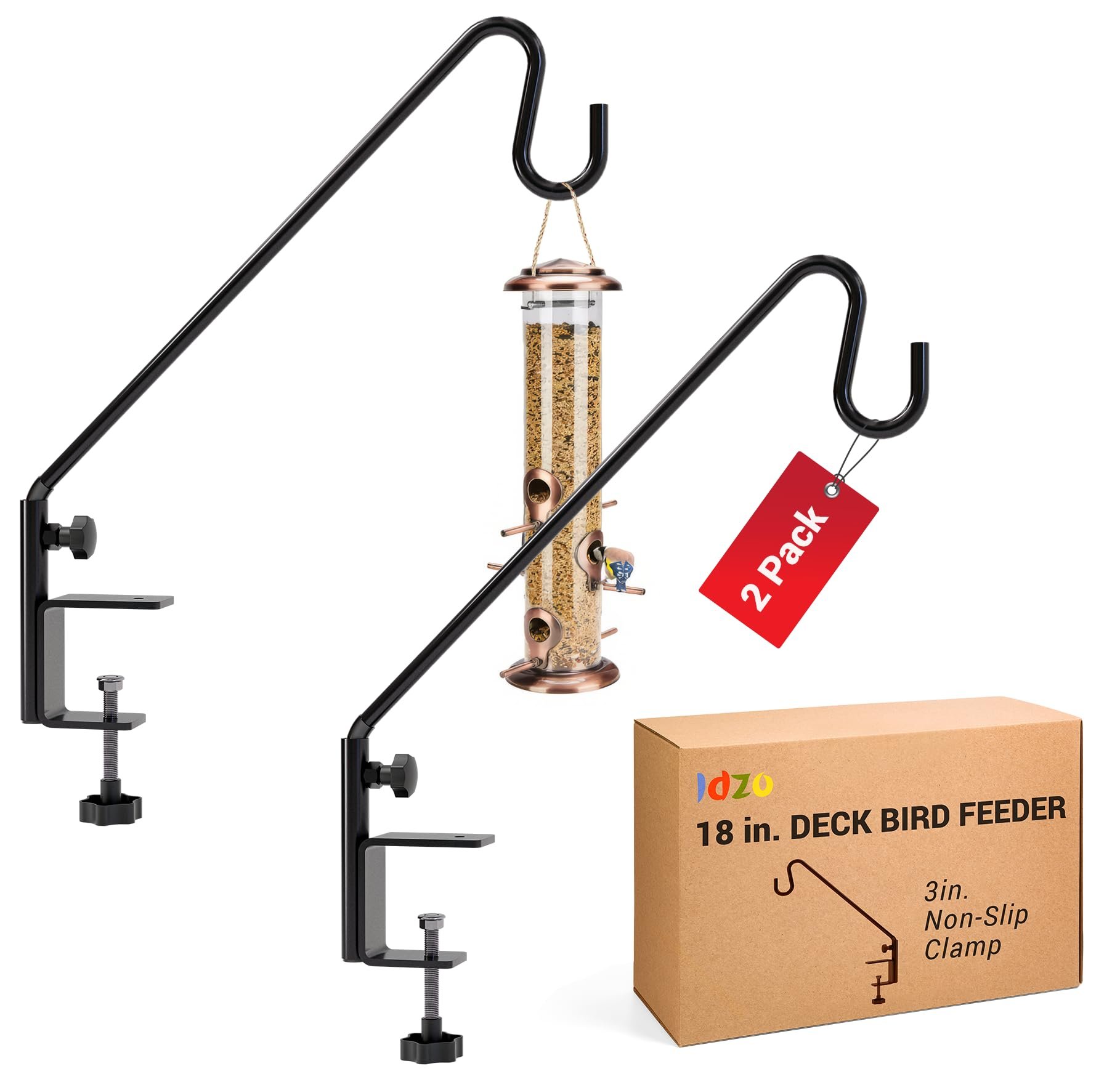
Idzo 18 Inch Railing Hook, Deck Hook for Bird Feeder Pole, 3-Layer Powder-Coated Steel, 2-Pack
Amazon's Choice , 850+ reviews at 4.6 stars
Buy on Amazon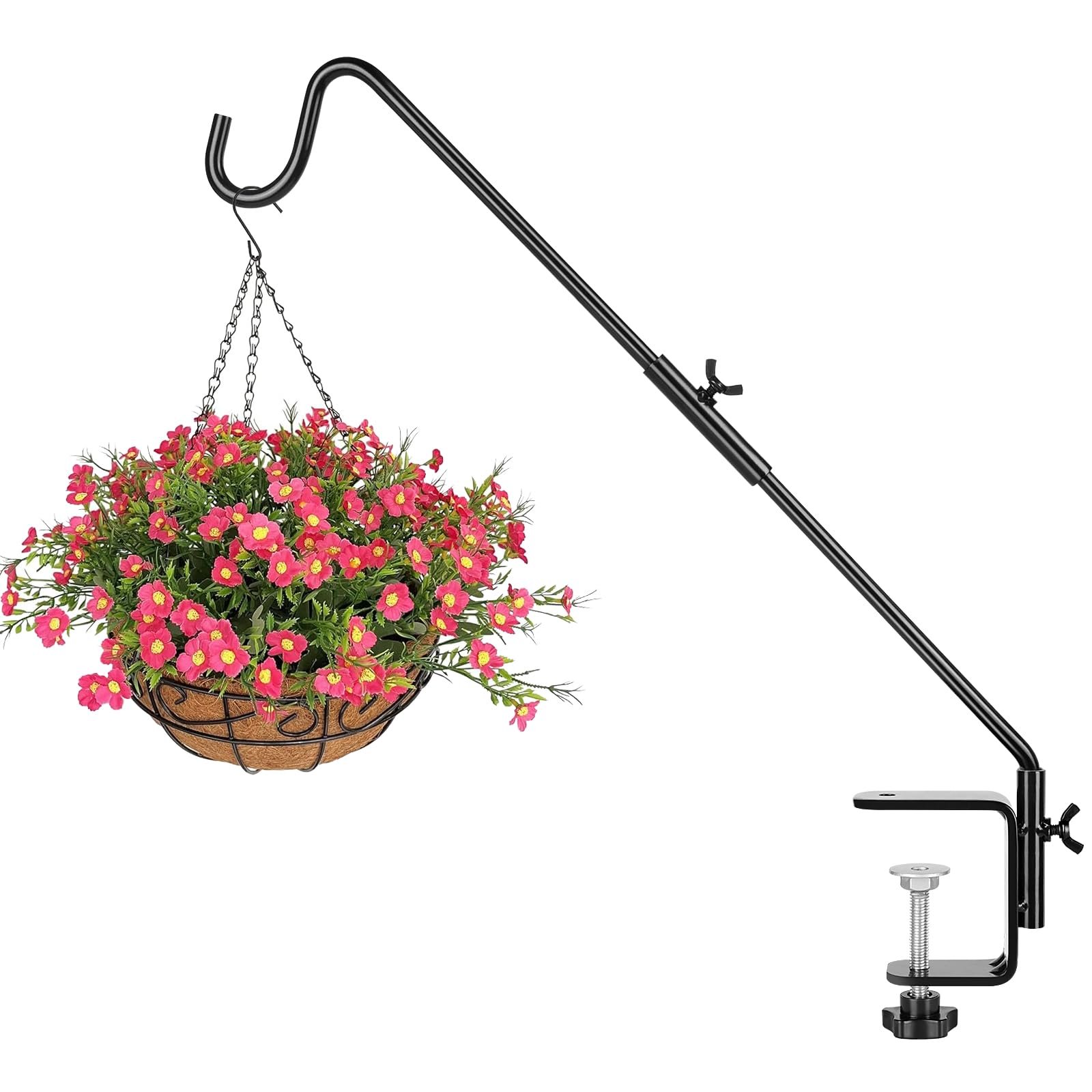
BOLITE Heavy Duty Deck Hook, 20 Inch Bird Feeder Hanger, 360° Rotatable Arm, Black
Amazon's Overall Pick at ~$18 , best value single hook
Buy on Amazon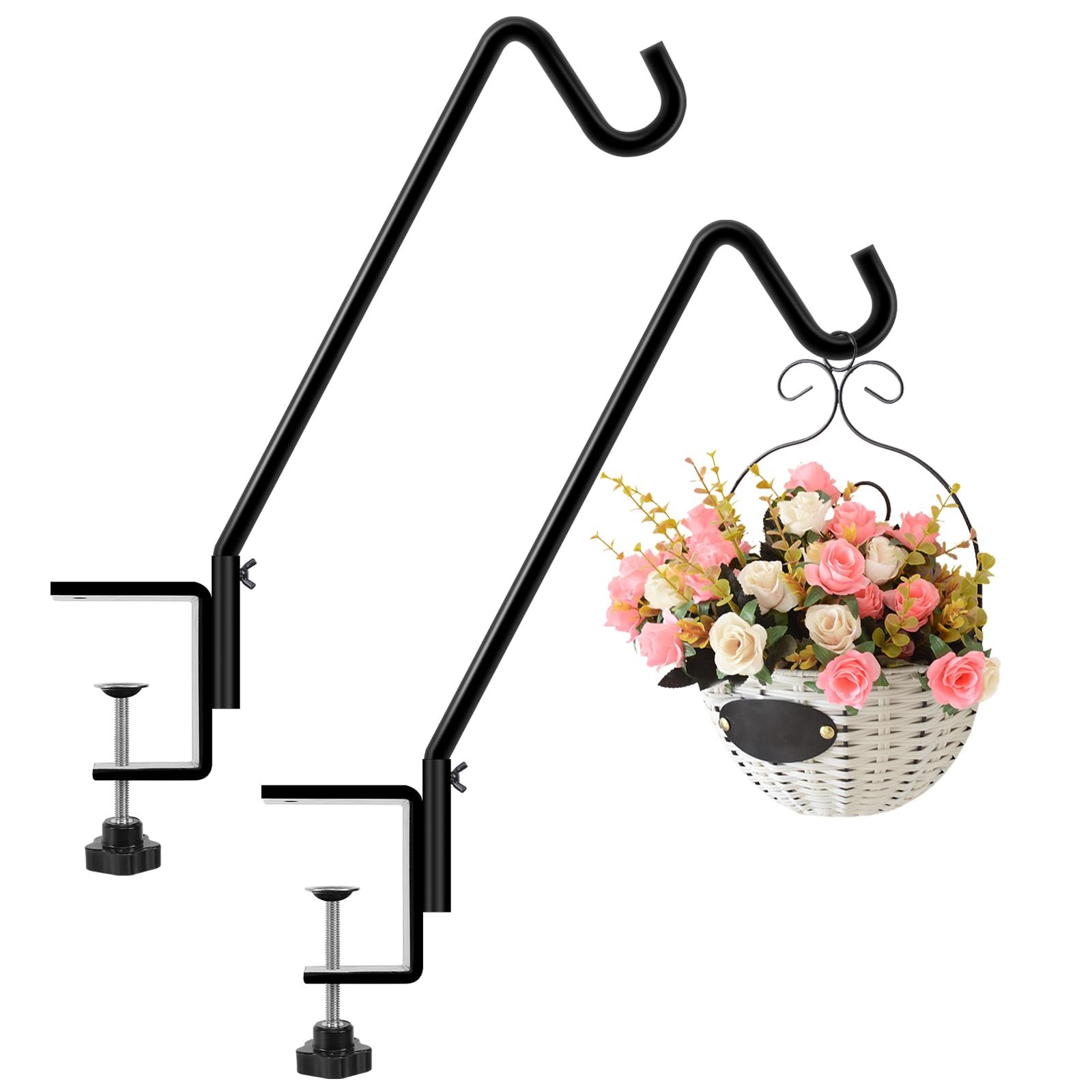
FEED GARDEN 2 Pack 14 Inch Deck Hook, Deck Bird Feeder Hanger, Fits 1–3 Inch Deck Thickness
Fits the widest range of deck thickness , 1 to 3 inches
Buy on Amazon| Product | Price Range | Top Strength | Key Weakness | Buy |
|---|---|---|---|---|
| Idzo 18 Inch Railing Hook, Deck Hook for Bird Feeder Pole, 3-Layer Powder-Coated Steel, 2-Pack best overall | $ | Amazon's Choice , 850+ reviews at 4.6 stars | Clamp suits rails up to ~3 inches thick only | Buy on Amazon |
| BOLITE Heavy Duty Deck Hook, 20 Inch Bird Feeder Hanger, 360° Rotatable Arm, Black also consider | $ | Amazon's Overall Pick at ~$18 , best value single hook | Single hook only , no 2-pack | Buy on Amazon |
| FEED GARDEN 2 Pack 14 Inch Deck Hook, Deck Bird Feeder Hanger, Fits 1–3 Inch Deck Thickness also consider | $ | Fits the widest range of deck thickness , 1 to 3 inches | Shorter 14-inch arm than competitors | Buy on Amazon |
| Droll Yankees Classic Sunflower Seed Bird Feeder, 20-Inch also consider | $ | Ring Pull Advantage lid removes with one hand for fast, mess-free refilling | No squirrel deterrent , needs a baffle pole or dome purchased separately | Buy on Amazon |
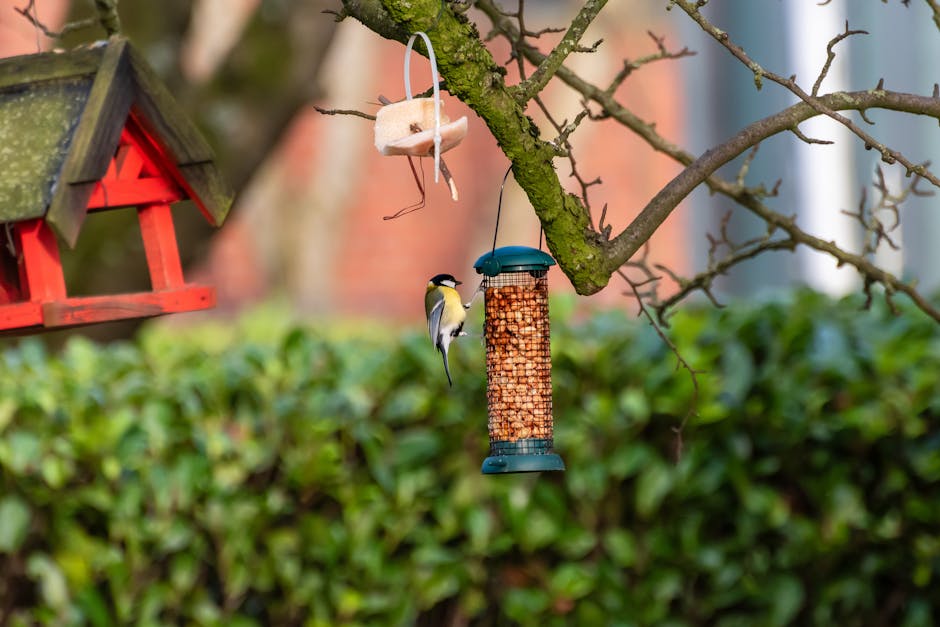
A deck hook for a bird feeder sounds like a five-minute purchase. You’ll spend longer choosing a sandwich. And yet the number of people who end up with a hook that wobbles, scratches their railing, or drops a feeder onto their deck boards in the first windstorm suggests it’s worth a few minutes of actual thought before you click buy. This guide covers four products worth considering, gives you a clear top pick, and explains what the specs actually mean for daily use. If you’re building out a fuller feeding setup, the broader Bird Feeders & Baths section has more to work with.
What to Look For
Rail Fit
Most deck hooks clamp onto a horizontal railing. The fit depends on your rail thickness, which varies considerably depending on whether you have a standard 2x4 cap rail, a composite deck system, or something older and custom-built. Hooks that advertise “fits 1- to 3-inch” rails give you more room to work with. Hooks rated to around 3 inches at maximum will work for most standard lumber profiles but can be tight on composite systems with rounded edges. Measure before you order. A 2x4 cap rail is nominally 1.5 inches thick. A composite rail cap can run anywhere from 2 to 3.5 inches. If you’re not sure, go with the widest-range option.
Arm Length
A longer arm does two things. It gets the feeder out over the yard rather than hanging three inches off the railing, and it puts more distance between the feeder and any flat surface a squirrel could launch from. A 14-inch arm is functional. A 20-inch arm is noticeably better if squirrel pressure is a real problem at your property.
Rotation
360-degree rotation means you can swing the arm inward to refill without unclamping the whole hook. This sounds minor until you’ve wrestled with a stuck clamp in November with cold hands and a full bag of sunflower seed. Get rotation.
Powder Coat and Hardware
Outdoor steel hooks should be powder-coated, not painted. Painted hooks start showing surface rust within a season. Look for multi-layer coating descriptions. Stainless hardware on the clamp screws matters more than people realize; the clamp bolt is the first thing that will corrode if the manufacturer cut corners.
Drilling vs. No-Drilling
All four hooks reviewed here require no drilling. That matters if you rent, have a composite deck you don’t want to penetrate, or simply prefer reversible installations. If you own your property and have a wood deck, a screwed-in bracket will always be more stable in high-wind conditions, but for most residential decks in normal weather, a properly tightened clamp hook is adequate.
Top Picks
Top Pick: Idzo 18 Inch Railing Hook, Deck Hook for Bird Feeder Pole, 3-Layer Powder-Coated Steel, 2-Pack
Best for: Most buyers. Two feeders, no drilling, proven hardware. The Idzo 2-pack is the straightforward answer for most deck setups. Amazon’s Choice designation with over 850 reviews at 4.6 stars isn’t marketing copy at this point, it’s a signal that a lot of people bought it, used it through at least one season, and didn’t come back angry. The 3-layer powder coat is the detail that earns the top spot. Single-coat hooks from budget brands show surface rust by spring. The Idzo has held up through hard winters without the orange streaking you’ll eventually see on cheaper steel. The 360-degree rotation is genuinely useful day to day. Swing the arm in, pull the Ring Pull lid or unclip your feeder, refill, swing it back out. No unclamping, no re-leveling, no fumbling. (I timed a refill at under 90 seconds once I stopped fighting the arm to stay in position, which had been the problem with the previous hook.) The 2-pack is where the value becomes obvious. Use one arm for your primary feeder and the second for a suet cage, a planter, or a second seed feeder. If you’re running a bird feeder for peanuts alongside a tube feeder, having both on dedicated arms off the same rail section keeps the setup tidy. The limits: the clamp is rated for rails up to roughly 3 inches thick. On a thick composite cap rail, test the fit before assuming it will work. The clamp screw requires a tool to tighten properly, which is a minor inconvenience but worth knowing before you try to hand-tighten and wonder why it’s still moving. there is no reason to pay more for a single hook of comparable quality elsewhere.
Best Single Hook: BOLITE Heavy Duty Deck Hook, 20 Inch Bird Feeder Hanger, 360° Rotatable Arm, Black
Best for: One feeder, maximum arm clearance, budget-conscious buyers. If you only need one hook and squirrel pressure on your deck railing is a real problem, the BOLITE is the right answer. The 20-inch arm puts your feeder 20 inches out from the rail face, which is meaningfully more distance than a 14- or 18-inch arm. A squirrel jumping from a standard deck rail cap to a feeder 20 inches out still isn’t impossible, but it’s harder, and if you’ve also got a baffle above the feeder, you’re in reasonable shape. The BOLITE, which makes it Amazon’s top value single hook in this category. The 360-degree rotation is present and functional. The arm finish is matte black powder coat, consistent with the rail hardware on most modern composite deck systems. The trade-off is that this is a newer listing. Fewer reviews than the Idzo or Feed Garden options means less long-term data. The construction looks solid, but there’s less evidence from buyers who’ve run it through multiple winters. If that uncertainty bothers you, the Idzo at a few dollars more per unit gives you a more proven track record. Worth considering if you run a bird feeder for mealworms as a standalone setup and want one well-positioned hook rather than a 2-pack.
Most Versatile: FEED GARDEN 2 Pack 14 Inch Deck Hook, Deck Bird Feeder Hanger, Fits 1,3 Inch Deck Thickness
Best for: Unusual rail dimensions or anyone unsure of their rail thickness. The Feed Garden 2-pack has the strongest review base of anything in this category. 1,877 reviews at 4.5 stars is a substantial dataset, and the consistent feedback is that the clamp hardware accommodates the full 1-to-3-inch range reliably, including composite systems that catch narrower-spec hooks. If you’ve measured your rail and landed somewhere between standard lumber and composite rounded-cap profiles, this is the hook to buy. The explicit 1-to-3-inch range with documented performance at both ends is what sets it apart from hooks that technically claim a similar range but have more mixed results at the upper limit. The arm is 14 inches. That’s shorter than the BOLITE or the Idzo, and if squirrel deterrence is a priority, it matters. For most buyers who just want the feeder clear of the railing and positioned for viewing, 14 inches is perfectly adequate. I’d call this the pragmatic choice, which I realize is faint praise but is meant as a real endorsement. The Feed Garden brand doesn’t carry the name recognition of Droll Yankees or Perky-Pet, which is the honest trade-off you make for the price point. At for the pair currently, the value is solid.
Budget Companion Feeder: Droll Yankees Classic Sunflower Seed Bird Feeder, 20-Inch
Best for: New feeders who want a reliable, American-made tube feeder to hang on their new hook. This isn’t a hook. Including it here because a significant portion of buyers searching for deck hooks are setting up a feeding station for the first time and haven’t settled on a feeder yet. The Droll Yankees Classic is the reference tube feeder at the budget end of the market. Droll Yankees has been making feeders in Connecticut since 1969 and backs the product with a lifetime guarantee, which is not standard in this category. The UV-stabilized polycarbonate tube won’t yellow or crack after a few summers the way cheaper acrylic feeders do. Six feeding ports means multiple birds feeding at once without the aggressive stacking behavior you see on two-port feeders. The Ring Pull lid is the practical standout. One hand, no tools, fast fill. If you’ve used a feeder that requires two-handed cap removal while also trying to hold a bag of seed, you know what problem this solves. Two real limitations. The 1-pound seed capacity is small for high-traffic setups during fall migration. Plan on filling it every few days from September through November. And there’s no squirrel deterrent built in. You’ll need a separate dome baffle or a caged feeder if squirrels are active on your deck. For a more thorough look at deck-specific feeder options to pair with your new hook, the bird feeder for deck guide covers that ground in detail.
How to Choose
The Idzo 2-pack is the right answer for most people. Two hooks, proven hardware, sensible price. If your rail is a standard dimension and you want to hang a feeder plus something else, buy it and stop researching. If you need only one hook and want maximum arm clearance from the rail, the BOLITE is the better single-unit value. The newer listing is a mild concern, but the construction is there. If your rail is composite, oversized, or you’re genuinely unsure what your rail thickness is, go with the Feed Garden 2-pack. The documented fit range across a full 1-to-3-inch span is worth paying for over a hook that might not clamp properly. The Droll Yankees feeder pairs well with any of the above. Buy it if you’re still looking for a tube feeder to pair with your new hook setup. One thing worth stating plainly: all three hooks are budget-priced. None of them will last 20 years. If you’re treating this as a permanent installation, a through-bolted bracket is more appropriate, though I appreciate that’s not the right answer for every deck or every renter. For most residential setups, a well-clamped powder-coated hook on a maintained deck rail will give you several solid seasons before anything needs replacing. For more on building out a full feeding and wildlife setup, the Bird Feeders & Baths section has guides on feeders, baths, and accessories across different setups and budgets.
Frequently Asked Questions
Will a deck hook damage my composite railing?
A clamping hook shouldn’t damage composite railing if installed correctly. The clamp applies pressure to the top and side of the rail without penetrating the surface. That said, overtightening a steel clamp screw against a soft composite cap can leave marks over time. Tighten until the hook is stable under load, not as tight as physically possible. If your composite railing has a hollow profile, confirm it’s rated for point loads before hanging a heavy feeder.
What is the maximum feeder weight a deck hook can hold?
Most deck hooks in this category are rated for feeders up to around 10 to 15 pounds. A standard tube feeder full of sunflower seed runs 2 to 4 pounds. A larger platform feeder fully loaded might reach 8 pounds. The limiting factor is usually clamp stability on the rail rather than the arm itself. If you’re hanging a large hopper feeder with a dome baffle, weigh the full loaded setup before assuming a standard hook is sufficient.
Can I use a deck hook in winter?
Yes, with two caveats. Freeze-thaw cycles can loosen clamp hardware over the course of a winter as the rail material expands and contracts. Check tightness at least once per season. Also, powder-coated steel hooks can handle cold and moisture without rusting, but raw steel hardware (particularly the clamp bolt) is more vulnerable if the coating is scratched. A light coat of paste wax on the exposed hardware in fall extends the finish through wet winters.
How do I stop the arm from spinning in the wind?
All three hook arms reviewed here rotate 360 degrees, which is useful for refilling but can also mean the arm drifts in wind if not positioned correctly. The arm should have a locking mechanism or friction point at the rotation joint. If the arm is spinning freely without load, check whether the joint has a tightening screw or nut. On most hooks in this category, snugging the rotation joint screw slightly while leaving enough tension for manual rotation solves the problem.
Do I need a separate squirrel baffle with a deck hook setup?
Probably. A deck rail is almost always reachable for a squirrel, either by jumping from the rail itself or by climbing the deck structure. An arm length of 20 inches gives more clearance than 14 inches, but neither is squirrel-proof on its own. A dome baffle mounted above the feeder is the most reliable solution for a hanging feeder on a deck hook. A cage-style feeder is the other option, though it excludes larger birds. If squirrel management is a real priority, the hook is the starting point, not the complete solution.
Frequently Asked Questions
What rail thickness will a deck hook for a bird feeder fit?
Most deck hooks are designed to clamp onto rails 1–3 inches thick, which covers standard 2x4 lumber cap rails (nominally 1.5 inches) and most composite railing systems. Measure your rail thickness before ordering — composite rails with rounded profiles can run up to 3.5 inches and may exceed the clamp range of narrower hooks.
How long an arm do I need on a deck hook to keep the feeder clear of the railing?
A 16–20 inch arm is ideal for most setups — it positions the feeder far enough from the railing that birds can approach from multiple angles without obstruction, and keeps the feeder seed-drop from landing directly on your deck boards. Shorter arms (under 14 inches) work in tight spaces but can result in birds feeling crowded.
Will a deck hook scratch my composite or vinyl railing?
Many deck hooks include rubber or foam padding on the clamp jaws to protect railing surfaces. Check the product listing for pad protection before buying — bare metal clamps can mar composite or vinyl finishes over time, especially in freeze-thaw cycles when the clamp may tighten.
Can a deck hook hold a heavy bird feeder full of seed?
Most quality deck hooks are rated for 10–30 lbs, which comfortably handles filled tube feeders and hopper feeders. Check the hook's weight rating against your filled feeder weight — a large hopper feeder holding 5+ lbs of seed plus the feeder itself can exceed the rating of undersized or flimsy hooks.
Is it better to buy a single deck hook or a 2-pack?
A 2-pack makes sense if you want to hang multiple feeders or pair a bird feeder with a planter or suet cage — the cost per hook is usually lower and you can offer birds different food types from the same railing. A single heavy-duty hook is the better choice if you're hanging one large feeder and want maximum arm length and stability.
Where to Buy
Idzo 18 Inch Railing Hook, Deck Hook for Bird Feeder Pole, 3-Layer Powder-Coated Steel, 2-PackSee Idzo 18 Inch Railing Hook, Deck Hook … on Amazon