Deer Off Repellent: A Buyer Guide for Garden Protection

Affiliate disclosure: Some links on this page are affiliate links. If you buy through them we earn a small commission at no extra cost to you. Recommendations are research-driven; we don't claim personal use of every product reviewed. Product prices and availability are accurate as of the date published and are subject to change. Always check Amazon for current pricing before purchasing. Learn more.
Quick Picks

Liquid Fence Deer and Rabbit Yard Repellent Ready-To-Use, 1 Gallon
Ready-to-use formula , no mixing; trigger sprayer applies directly to plants
Buy on Amazon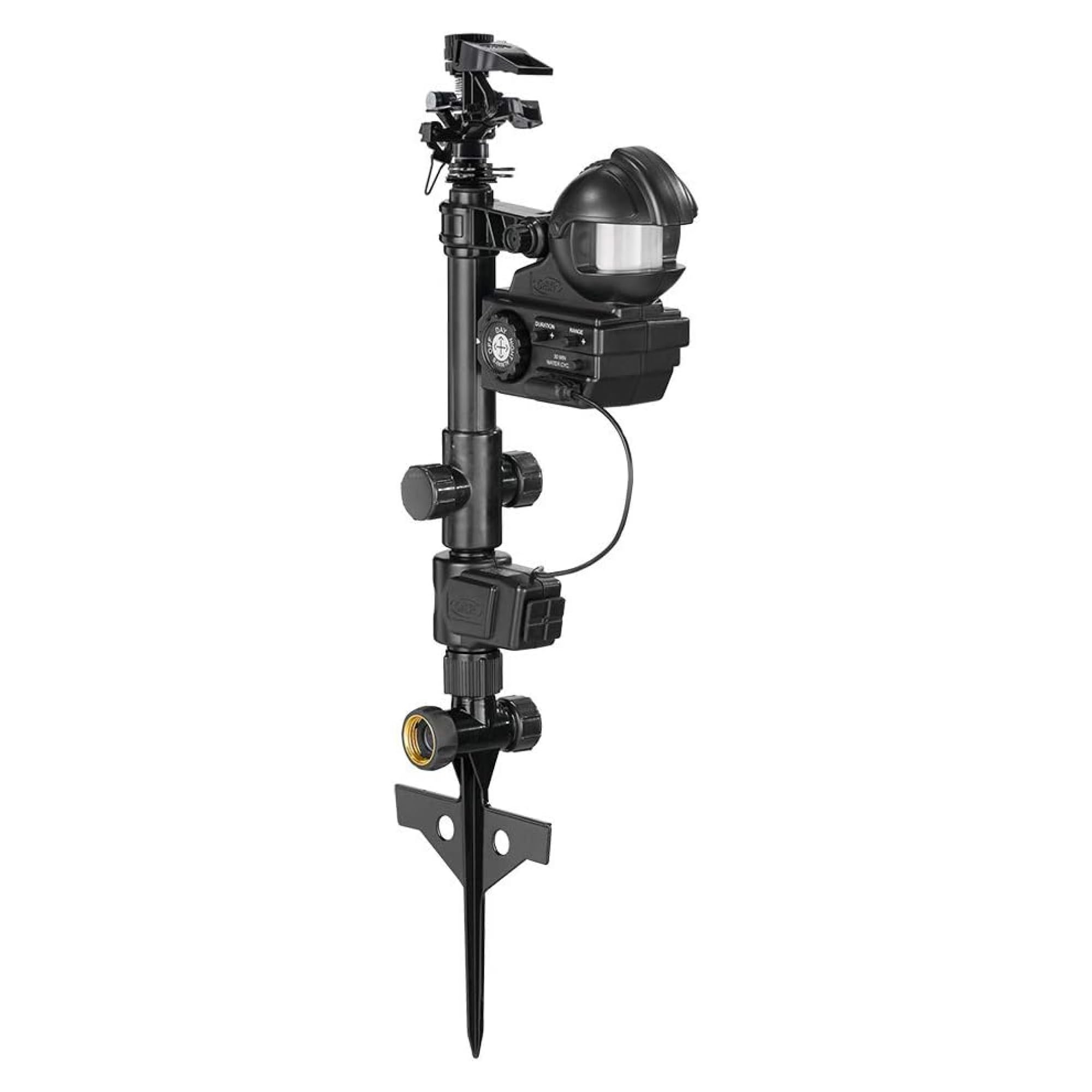
Orbit 62000 Yard Enforcer Motion-Activated Deer Repellent Sprinkler, 2-Pack
Deters deer, rabbits, cats, raccoons, and birds without chemicals or harm
Buy on Amazon| Product | Price Range | Top Strength | Key Weakness | Buy |
|---|---|---|---|---|
| Liquid Fence Deer and Rabbit Yard Repellent Ready-To-Use, 1 Gallon best overall | $ | Ready-to-use formula , no mixing; trigger sprayer applies directly to plants | Strong sulfur/egg odor during and shortly after application | Buy on Amazon |
| Orbit 62000 Yard Enforcer Motion-Activated Deer Repellent Sprinkler, 2-Pack also consider | $$ | Deters deer, rabbits, cats, raccoons, and birds without chemicals or harm | Can be triggered by other movement (blowing shrubs, passing people) , positioning matters | Buy on Amazon |
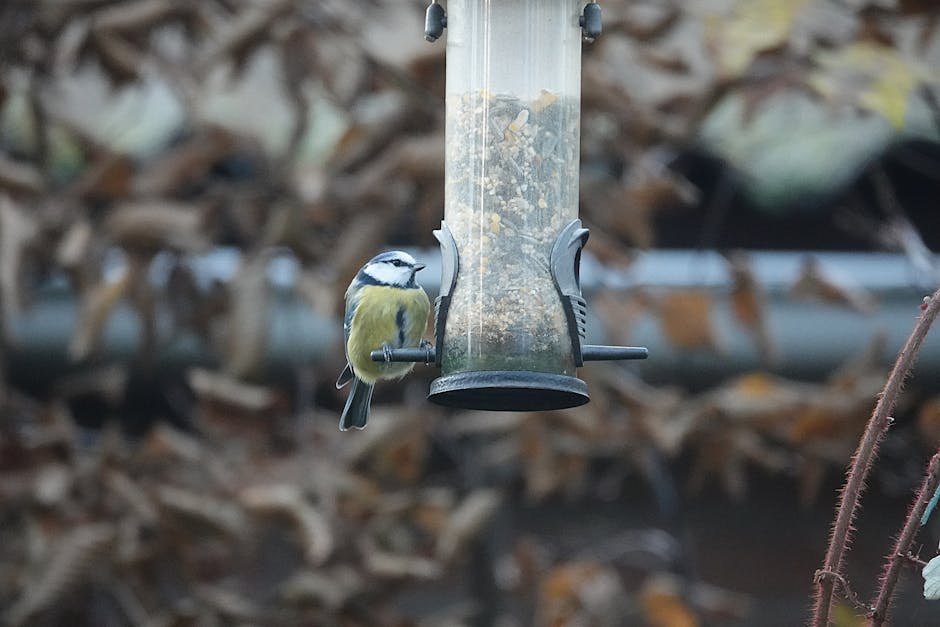
Deer pressure in a suburban or rural garden is not a philosophical problem. It’s a Tuesday morning problem: you walk out, the hostas are stripped, and something you planted in October is now a stub. If you’ve set up a bird feeder for your deck or a window feeder nearby, you already know that attracting one kind of wildlife tends to attract others, and deer are not interested in the distinction between your pollinator bed and a midnight snack.
This guide covers deer off repellent options that actually hold up in real conditions: not just light foot traffic from a single deer at dusk, but persistent pressure across a full growing season. I’ve narrowed it to two products worth serious consideration, one chemical repellent and one physical deterrent, and I’ll tell you which one I’d buy first and why. For more on managing wildlife around feeding stations and garden beds, the Birds & Wildlife hub has related coverage worth reading alongside this.
What to Look For in a Deer Repellent
Mechanism
Repellents work in two ways: sensory aversion and physical deterrence. Spray repellents exploit a deer’s extremely sensitive olfactory system. The effective ones use sulfur compounds, putrescent eggs, or predator urine to trigger a fear response. The deer smells something wrong and moves on. Physical deterrents like motion-activated sprinklers use a startle response instead: movement triggers a water burst, and over time the animal associates the space with an unpleasant surprise.
Both approaches work. Neither works permanently without maintenance. The choice between them usually comes down to where you need protection and how often you’re willing to revisit it.
Rain Resistance and Reapplication Frequency
Any liquid spray needs a rain-resistant formulation or you’re re-applying after every storm. Look for products that claim at least two weeks of outdoor persistence with normal weather exposure. Heavy rain will shorten that. A product claiming “up to four weeks” is probably delivering two to three in a wet spring, which is fine as long as you plan for it.
Coverage Area
A one-gallon ready-to-use trigger spray will cover a reasonably sized garden bed, maybe 500 to 800 square feet depending on plant density. For larger properties or multiple beds, a concentrate that mixes to a gallon will cost considerably less per acre. This matters if you’re protecting more than a few ornamental borders.
Specificity of the Threat
Deer aren’t always the only problem. Rabbits will clean out your lower-level plantings while deer handle everything above three feet. A repellent that addresses both simultaneously reduces how many products you’re cycling through. Similarly, if your issue includes raccoons raiding a feeder or cats digging in a seedbed, a motion-activated deterrent addresses all of them without requiring you to identify the culprit first.
Harm to Other Wildlife
If you’re maintaining habitat for birds or pollinators, and many readers here are, you want a repellent that doesn’t contaminate nectar sources or drive off everything in the vicinity. Spray repellents that are safe once dry are generally fine around feeding stations. If you’re running a bird bath with a water wiggler nearby, a motion sprinkler needs careful positioning so it isn’t constantly soaking the bath area or scaring off the birds you actually want.
Top Picks
Best Spray Repellent: Liquid Fence Deer and Rabbit Repellent Ready-To-Use, 1 Gallon
Liquid Fence Deer and Rabbit Repellent Ready-To-Use, 1 Gallon is currently for the one-gallon trigger-spray bottle, which is a reasonable entry point if you’re treating a defined area.
The active mechanism is putrescent egg solids and garlic. It smells exactly as bad as that sounds during and immediately after application. Not bad-for-a-garden-product bad, but actually unpleasant, in a way that will have whoever is standing near you at the time making pointed remarks. The smell dissipates for humans within a few hours. For deer, the residual deterrent effect is the point.
What makes this formula work well in practice is the combination of contact deterrent and area deterrent. Deer are discouraged both by the smell of treated foliage and by the ambient odor in the treated zone. Because it addresses rabbits simultaneously, you’re not chasing two separate problems with two separate products.
Rain resistance is real but limited. Under typical conditions, the formulation holds up for two to four weeks. After a sustained heavy rain event, plan to reapply. I’d schedule reapplication every three weeks during active growing season and after any significant storm, which in a wet spring means you’re going through product faster than the label might imply.
One practical note: if your property is large enough that treating multiple beds with a one-gallon trigger sprayer is going to become tedious, the concentrate version (ASIN B014UUZ8AC) is considerably more economical per square foot. At the time of writing it and mixes to make substantially more coverage. For 12 acres with multiple ornamental beds and a kitchen garden, I buy the concentrate.
The product is safe around pets and children once fully dry, which matters if you have dogs working the property or kids in the garden. Don’t apply it the morning of an outdoor event. Apply it the evening before and give it a full dry cycle overnight.
Compared to Deer Out Deer Repellent, which uses peppermint oil as its primary mechanism, Liquid Fence is more reliably aversive across a broader range of deer populations. Peppermint-based repellents work well in some areas and produce inconsistent results in others. The sulfur-egg formulation in Liquid Fence has a longer track record and more consistent field performance. Neither is a permanent fix, but Liquid Fence is my first choice in this category.
Best for. Gardeners with defined ornamental beds, vegetable gardens, or perennial borders who want a spray-and-reapply solution without mixing chemicals or installing hardware.
Best Physical Deterrent: Orbit 62100 Yard Enforcer Motion-Activated Sprinkler
The Orbit 62100 Yard Enforcer Motion-Activated Sprinkler with Day and Night Detection and is, in my view, the most practical non-chemical deer deterrent for a garden bed or defined perimeter zone.
The core advantage is the learning effect. Deer, rabbits, raccoons, and most other animals will learn to avoid a zone that has repeatedly startled them within two to three weeks of consistent deterrence. A spray repellent has to be refreshed on a schedule. A properly positioned motion sprinkler trains the animal to route around the area entirely. That’s a different kind of protection.
The 120-degree detection arc covers up to 40 feet, which is enough to protect a full garden bed or a feeding station perimeter from a single unit. Day-only, night-only, and 24-hour detection modes mean you can set it to fire only at night if you know your deer pressure is nocturnal, which it usually is, while avoiding soaking every person or dog that walks past during the day. (I run mine on night-only mode for eight months of the year. The daytime mode is useful during planting periods when I’ve had ground squirrel problems, but that’s a specific complaint for a different article.)
Battery consumption is the maintenance cost. The unit runs on four AA batteries, and at up to 7,500 activations per set, battery life varies dramatically based on how much traffic it’s seeing. During peak pressure in late spring and early fall, I’m changing batteries every three to four weeks. Keep a spare set near the hose bib.
The main positioning error is placing the unit too close to plants or shrubs that move in the wind. A vigorously moving shrub will trigger it continuously, drain batteries overnight, and do nothing to deter deer because the threat stimulus stops being associated with a living intruder. Place it so its detection cone covers the approach path, not the planting itself.
One use case this device handles that sprays don’t: raccoons raiding feeders. If you’ve had problems with raccoons at a peanut feeder or emptying a mealworm station overnight, positioning a Yard Enforcer to cover the feeder approach will resolve the problem faster than any spray or baffle.
Best for. Gardeners who want a hardware-based, reusable deterrent that works across multiple species without chemicals, and who are willing to do some initial positioning work to get the coverage right.
How to Choose
If you have a relatively compact garden, say two or three defined beds you’re trying to protect, and your primary issue is deer and rabbits browsing ornamentals and vegetables, start with Liquid Fence Deer and Rabbit Repellent. The entry cost is low, the application is immediate, and you’ll know within a week whether you’re dealing with a level of pressure the spray can handle.
If you have a persistent deer problem across a larger area, or you’ve used spray repellents and found the reapplication burden isn’t sustainable for your schedule, add the Orbit 62100 Yard Enforcer to your highest-traffic entry point. The two work well together. The spray creates an aversive smell across the treated area. The sprinkler creates a startle deterrent at the approach zone. A deer that gets hit with water while also encountering a sulfur odor is going to reconsider that bed much more thoroughly than one encountering either stimulus alone.
For large properties with serious deer pressure, the layered approach is not optional. A single spray application or a single sprinkler covering one entry point isn’t going to hold against a persistent herd. You need perimeter coverage on multiple sides, consistent reapplication of the spray, and patience through the first two to three weeks while the animals learn the area is not safe.
The one mistake I see repeatedly is buying a repellent in response to damage and applying it after browsing has already begun. Deer form strong foraging patterns. Breaking an established pattern takes more deterrent pressure than preventing one in the first place. Start the spray and position the sprinkler before you see damage, ideally when you’re putting plants in the ground or at the first signs of seasonal deer activity in your area.
For more on managing wildlife in and around your garden, including how to set up feeding stations that attract birds without inadvertently drawing in deer and other browsers, the birds and wildlife section has resources on feeders, baths, and habitat management that are worth reading if you’re thinking about this holistically.
Frequently Asked Questions
How often do I need to reapply deer repellent spray?
Under normal conditions, plan for every three weeks during the growing season. After heavy rain, reapply sooner. Products like Liquid Fence claim two to four weeks of rain resistance, and that’s broadly accurate under light to moderate rain. A sustained three-day wet period will shorten it. The rule of thumb: if you’ve had more than an inch of rain in 24 hours, reapply within the next day or two.
Will deer repellent spray harm my plants or pollinators?
Liquid Fence and most putrescent egg-based repellents are safe for plants, pets, and pollinators once dry. Avoid spraying directly onto open blooms where bees are actively foraging. Apply in the early morning or evening when bee activity is lower, let it dry fully, and you won’t have a pollinator problem.
Can I use a motion-activated sprinkler year-round?
Not in climates with freezing winters. Drain the unit and bring it inside before the first hard freeze. The internal water chamber will crack if it freezes with water inside. The Orbit 62100 Yard Enforcer is a three-season device in most of the northern US. Resume deployment in early spring as soon as overnight temperatures stay reliably above freezing.
Do deer eventually get used to spray repellents?
Over time, some deer populations in low-risk environments can partially habituate to the smell, particularly if they’re under food stress. The practical mitigation is to alternate between products with different scent profiles through the season, and to reinforce with a physical deterrent like the motion sprinkler during peak pressure periods. Habituation is much less likely when the animal also has a startle deterrent reinforcing the aversive association.
Is deer repellent spray safe if I’m growing vegetables I plan to eat?
Most putrescent egg and garlic-based repellents are labeled as safe for use on edible plants. The critical step is washing your produce thoroughly before eating, which you should be doing regardless of whether you’ve applied repellent. Don’t spray directly onto vegetables within a few days of harvest, and don’t spray fruiting bodies directly. Apply to foliage and surrounding soil, let it dry, and you’re within safe use parameters.
Frequently Asked Questions
How often do I need to reapply Deer Off repellent?
Most liquid deer repellents need reapplication every 2–4 weeks depending on rainfall and deer pressure. Plan to reapply after heavy rain events, as even rain-resistant formulas lose effectiveness faster in wet conditions.
Is Deer Off repellent safe to use around vegetable gardens?
Check the label carefully — some formulas are approved for edibles while others are intended for ornamentals only. Liquid Fence, for example, lists specific edible-use instructions with required pre-harvest intervals.
Does Deer Off repellent work on rabbits too?
Many deer repellents including Liquid Fence are formulated to deter both deer and rabbits simultaneously. This is useful since rabbits often browse the lower foliage that deer leave behind.
What causes the strong smell in deer repellent sprays?
The odor comes from putrescent egg solids and sulfur compounds, which trigger a fear response in deer by mimicking predator scent or decay. The smell dissipates for humans within a few hours of drying but remains detectable to deer much longer.
Will a motion-activated sprinkler work as well as a spray repellent?
Motion-activated sprinklers like the Orbit Yard Enforcer work through a startle response rather than scent aversion, and they deter multiple animal types including deer, cats, and raccoons. They require no chemical reapplication but depend on correct positioning to avoid false triggers from wind or foot traffic.
Where to Buy
Liquid Fence Deer and Rabbit Yard Repellent Ready-To-Use, 1 GallonSee Liquid Fence Deer and Rabbit Yard Rep… on Amazon