Vego Garden vs VEGEGA: Modular Metal Raised Bed Comparison

Affiliate disclosure: Some links on this page are affiliate links. If you buy through them we earn a small commission at no extra cost to you. Recommendations are research-driven; we don't claim personal use of every product reviewed. Product prices and availability are accurate as of the date published and are subject to change. Always check Amazon for current pricing before purchasing. Learn more.
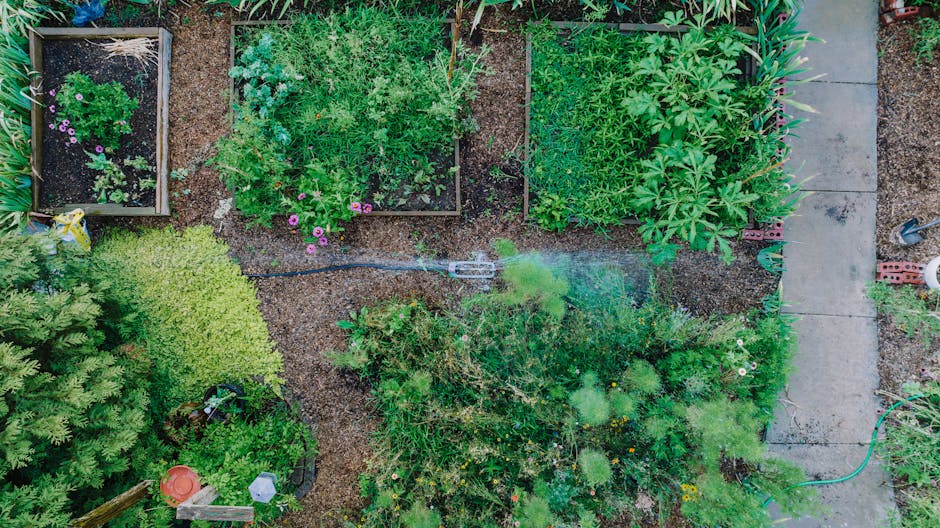
 Vego Garden Vego Garden 17" Tall 6-in-1 Modular Metal Raised Bed, Olive Green Buy on Amazon
 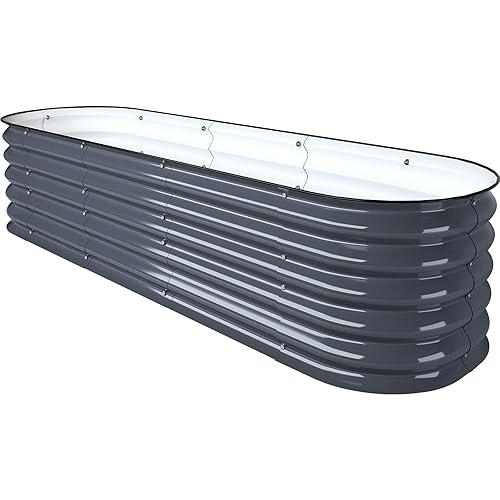 VEGEGA VEGEGA 17-Inch Tall 6-in-1 Modular Metal Raised Garden Bed Buy on Amazon
 If you’ve spent any time researching modular metal raised garden beds, you’ve probably noticed that the names Vego Garden and VEGEGA blur together quickly. Similar names, similar specs on paper, similar price points. This article is about cutting through that and giving you a straight answer on which one to buy. I’ve looked at both closely, and my recommendation is at the bottom if you want to skip ahead. But the reasoning matters here because the differences are real, even if they’re not immediately obvious from a product listing. If you’re still deciding whether a metal raised bed is the right move at all, our Raised Beds hub covers the broader material tradeoffs worth reading first.
At-a-Glance
Both beds share the same fundamental premise. Seventeen inches of growing depth, six panels that configure into multiple shapes, modular zinc-coated steel construction, and a mid-range price depending on the retailer and configuration you choose at the time of purchase.
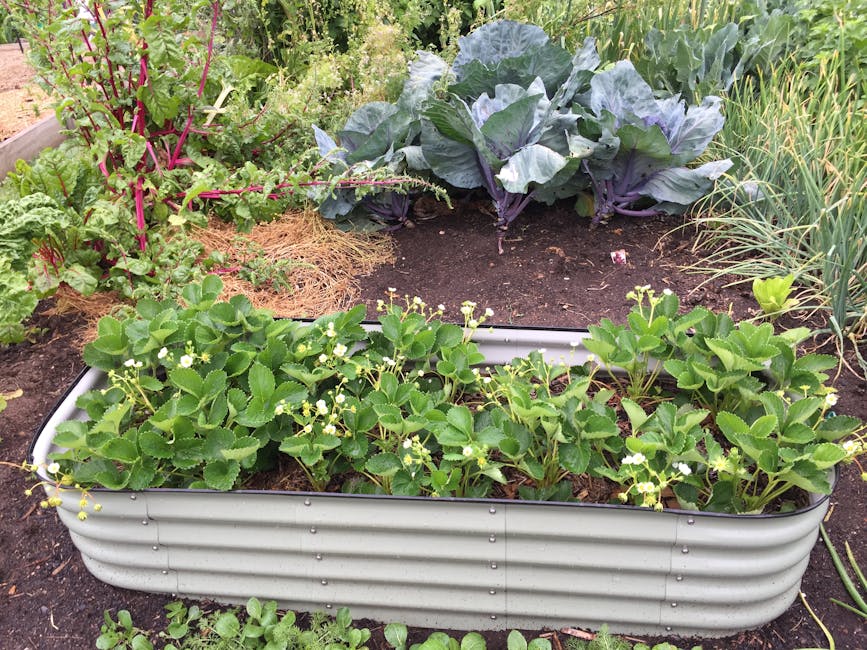
The Vego Garden 17” Tall 6-in-1 Modular Metal Raised Bed, Olive Green uses Aluzinc-coated steel and offers a wider color range, including its signature Olive Green finish. It’s the flagship product from a brand that’s built a loyal following specifically among serious vegetable growers.
The VEGEGA 17-Inch Tall 6-in-1 Modular Metal Raised Garden Bed uses a zinc-aluminum-magnesium alloy coating and has rounded safety edges on all panels. Fewer color options, but the edge treatment is a practical differentiator that matters more than it sounds during a solo assembly.
Where they diverge most is in coating technology, edge finishing, and documentation quality. Those three things will determine which one is right for your situation.
| Feature | Vego Garden | VEGEGA | |,|,|,| | Depth | 17 inches | 17 inches | | Panel count (base kit) | 6 | 6 | | Coating type | Aluzinc (zinc-aluminum alloy) | Zinc-aluminum-magnesium |
| Edge finishing | Standard | Rounded safety edges | | Color options | Multiple, incl. Olive Green | Limited | | Assembly documentation | Adequate | Often unclear |
Why Choose the Vego Garden
The depth actually matters for what you’re growing
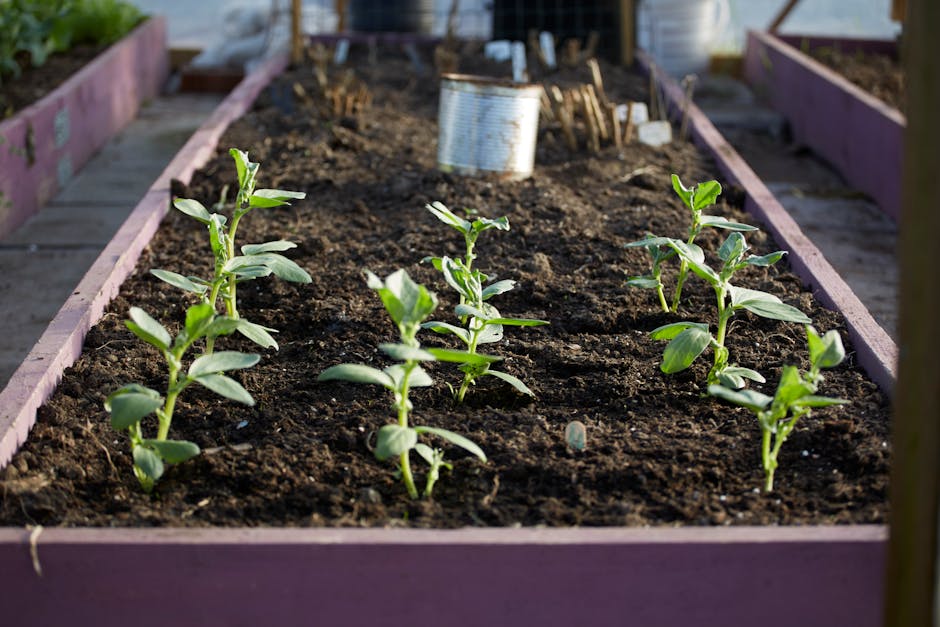
Seventeen inches is not marketing fluff. Standard raised beds run 8 to 12 inches, which is fine for lettuce, herbs, and shallow-rooted annuals. But if you’re growing tomatoes, carrots, parsnips, or winter squash, root systems need more. Tomato roots can push past 24 inches in ideal conditions, and even at 17 inches you’re giving them substantially more to work with than a standard bed. The Vego Garden’s depth is the reason I’d choose it over almost any 8-inch alternative, including wood options.
If you’re comparing against wood, the relevant wood competitor here would be something like a cedar raised bed kit, which typically comes in at 8 to 12 inches and requires a budget for lumber replacement every 5 to 10 years. The Vego’s steel at 17 inches wins on both depth and longevity.
Aluzinc coating isn’t just a buzzword
Standard galvanized steel uses a zinc coating that’s adequate but not exceptional for outdoor long-term use. Aluzinc adds aluminum to the alloy, which creates a denser, more corrosion-resistant surface. Vego claims 3 to 5 times the corrosion resistance of standard galvanized, and while I can’t independently verify the exact multiplier, the chemistry behind it is sound. Zinc-aluminum alloys genuinely do outperform plain zinc coatings in prolonged wet conditions.
For anyone running beds through wet springs and freeze-thaw cycles repeatedly, this is not a trivial difference. Water sits in these beds. The outer panels are exposed to weather year-round. A coating that degrades faster will show rust at the panel joints within a few years, and once you’re looking at rust migration into your soil, the conversation gets unpleasant.
Configuration flexibility
The six panels can be arranged into six different shapes, including square, rectangle, L-shape, and hexagon. I’ve primarily used mine in a standard rectangular configuration, and I’ll acknowledge that hexagon is a choice you’d make more for aesthetics than growing efficiency. But the L-shape is legitimately useful for corner placements or fitting a bed into an irregular space against a fence or structure. That flexibility has practical value for anyone working with a non-standard footprint.
Where Vego Garden falls short
The panel edges are sharp enough during assembly that gloves are not optional. This caught me more than once before I committed to keeping heavy-duty gloves on throughout. Anyone with less grip strength or hand sensitivity should take this seriously rather than treating it as fine print.
Metal panels in direct afternoon sun also get genuinely hot. If you’re in a climate where summer soil temperatures are already a concern, light-colored mulch on the soil surface and positioning away from full western exposure will help. This is less of an issue in the Northeast but worth noting if you’re in a warmer region.
Why Choose VEGEGA
Rounded edges are a real quality-of-life improvement
If you’ve ever assembled a metal raised bed solo, you know that the awkward moments happen when you’re holding a panel with one hand and trying to align a connector with the other. Sharp edges in that situation are where scrapes and cuts happen. VEGEGA’s rounded safety edges on all panels don’t eliminate the need for care, but they reduce the margin for error meaningfully. For anyone assembling alone, assembling with children around, or simply not wanting to deal with the Vego’s edge sharpness, this is a legitimate reason to choose VEGEGA.
The coating technology is competitive
VEGEGA’s zinc-aluminum-magnesium coating (sometimes marketed as ZAM steel) performs comparably to Aluzinc in independent corrosion testing, and some data suggests the magnesium addition improves performance in cut-edge and scratched-surface scenarios specifically. Since panel edges and connector points are exactly where galvanic corrosion tends to start, this is arguably where magnesium matters most. If you’re choosing between coatings on technical merit alone, the two products are close enough that it shouldn’t be the deciding factor. But VEGEGA isn’t cutting corners on materials.
When VEGEGA makes more sense than Vego
The most practical reason to choose VEGEGA is availability. The Vego Garden Olive Green in this configuration sells out periodically, and shipping timelines can stretch if demand spikes. VEGEGA’s lead times tend to be more consistent. If you’re working toward a spring planting window and Vego is showing a multi-week delay, VEGEGA is a reasonable substitute with no meaningful quality downgrade.
I’d also point anyone with specific concerns about handling and assembly toward VEGEGA. The edge difference genuinely matters in practice.
Where VEGEGA falls short
The assembly instructions have drawn consistent criticism in user reviews, and I’d agree they’re not the strongest. Third-party YouTube tutorials are more helpful than the included documentation for most people, which is a fixable problem but one that hasn’t been fixed. If you’re the kind of person who reads instructions carefully and expects them to be complete, budget some extra time for VEGEGA’s setup.
The color selection is limited compared to Vego Garden, which offers Olive Green, Beige, and a few other options depending on the kit. If you’ve committed to a specific look in your garden or are color-matching to an existing structure, VEGEGA may not have what you want.
Verdict
Buy the Vego Garden 17” Tall 6-in-1 Modular Metal Raised Bed, Olive Green.
The Aluzinc coating, the color options, and the brand’s track record with vegetable gardeners specifically make it the better default choice. The 17-inch depth is the main reason you’d spend this much on a raised bed at all, and Vego executes the whole package more cleanly. Wear gloves during assembly. Done.
If Vego Garden is out of stock, backordered past your planting window, or if sharp edges are a genuine concern for you, the VEGEGA 17-Inch Tall 6-in-1 Modular Metal Raised Garden Bed is a legitimate alternative and not a consolation prize. The rounded edges are a real improvement, the coating is technically competitive, and the growing depth is identical. You’ll want to find a YouTube video for assembly and accept that the color options are narrower.
Both products sit in the same category as the Birdies metal raised garden beds, which offer similar zinc-coated steel construction at a comparable price and are worth comparing if you haven’t ruled them out. For anyone considering elevated options rather than ground-level beds, the Vego elevated garden bed solves a different set of problems and is worth a separate look.
If you’re still building out your raised bed setup and want broader guidance on spacing, soil volume, and configuration decisions, the Raised Beds section covers those questions in more detail.
,
Frequently Asked Questions
Are Vego Garden and VEGEGA the same company?
No, they are separate companies with similar names and overlapping product lines. The name similarity causes consistent confusion in search results. Vego Garden is based in Austin, Texas. VEGEGA is a separate brand. Both make modular metal raised beds with comparable specs, but they are unrelated businesses with different coating technologies and manufacturing processes.
Is 17-inch depth necessary, or is it overkill for most vegetables?
For most leafy greens, herbs, and annual flowers, 8 to 12 inches is sufficient. Seventeen inches becomes worthwhile when you’re growing root vegetables like carrots or parsnips, indeterminate tomatoes, or larger squash varieties. If your planting list runs heavily toward deeper-rooting crops, the 17-inch depth will give you noticeably better results than a standard bed. If you’re primarily growing salad greens and herbs, a shallower bed at a lower price point may serve you just as well.

How many configurations can the 6-in-1 system actually make?
Both beds advertise six configurations from the same six panels. In practice, the most commonly used are the straight rectangle, the square, and the L-shape. The hexagon and some of the other configurations require more space and suit certain landscape aesthetics. The modular system’s real value is that you can reconfigure without buying new panels, and the L-shape in particular is useful for fitting beds into corners or against structures.
Do these beds need to be lined before use?
Neither manufacturer requires lining, and the zinc-based coatings on both products are generally considered safe for food production at the metal concentrations that leach into soil. If you’re growing in highly acidic soil conditions over many years, a food-safe liner adds a margin of caution. A weed barrier on the bottom is worth considering if your bed is placed over grass or persistent weeds, but it’s not required.
How do these compare to self-watering raised bed options?
Self-watering beds solve a different problem. They’re designed primarily for water efficiency and reduced maintenance frequency, not for depth or structural longevity. If you’re dealing with inconsistent watering schedules or want to reduce irrigation labor, a self-watering elevated garden bed may be worth the tradeoff. For growers who want maximum root depth and plan to water on a regular schedule, the Vego or VEGEGA modular beds are the better choice on growing performance.
Frequently Asked Questions
What shapes can a 6-in-1 modular metal raised bed be configured into?
The six-panel system on both Vego Garden and VEGEGA beds can be arranged into a long rectangle, a wide square, an L-shape, a U-shape, and other configurations depending on your space. This modularity lets you adapt the bed to an irregular yard or expand in sections over time.
Which is better — Vego Garden or VEGEGA for a home vegetable garden?
Both are high-quality options at similar price points. Vego Garden offers a wider color range including the popular Olive Green and has a strong track record with serious vegetable growers. VEGEGA has rounded safety edges on all panels, which makes solo assembly safer and easier. The choice comes down to color preference and whether edge finish or brand documentation matters more to you.
How long will a modular metal raised garden bed last outdoors?
Both Vego Garden's Aluzinc coating and VEGEGA's zinc-aluminum-magnesium coating are significant upgrades over standard galvanized steel, and both should provide 15–20 years of corrosion resistance in most climates. Standard galvanized beds in wet climates often show rust within 3–5 years.
Does a modular metal raised bed require any tools to assemble?
Most modular metal raised bed kits including Vego Garden and VEGEGA require minimal tools — typically just a rubber mallet to lock panels into their connectors. Assembly can be done solo in under an hour for most configurations, though a second person makes it easier to hold panels steady.
Is it safe to grow vegetables in a metal raised bed — will the zinc coating leach into the soil?
Research and industry guidance indicate that food-grade galvanized and zinc-aluminum-coated steel raised beds are safe for vegetable growing. The zinc levels that may leach into soil at the contact points are well below levels that would affect plant health or food safety, and both Vego Garden and VEGEGA have published data supporting food-safe use.
Where to Buy
Vego Garden 17" Tall 6-in-1 Modular Metal Raised Bed, Olive GreenSee Vego Garden 17" Tall 6-in-1 Modular M… on Amazon